
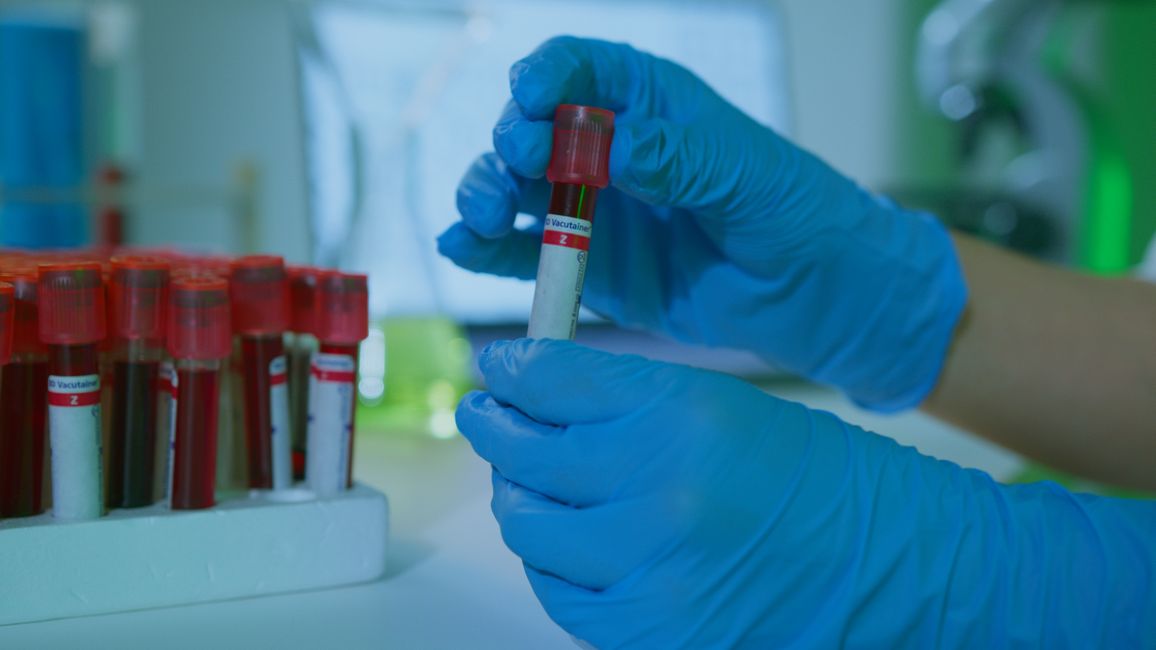
Depression has long been diagnosed through conversation, observation and self-reported symptoms. But a new study suggests that one day, a simple blood test might offer clues before the emotional weight fully sets in.
Researchers have found that certain immune cells in our blood age faster in people experiencing depression, and that this accelerated aging appears most closely connected to the emotional and mental dimensions of the condition, rather than the physical exhaustion or sleep changes often associated with it.
The study centres on monocytes, a type of white blood cell that plays a key role in our immune response. Scientists discovered that when these cells age more rapidly than expected, it correlates strongly with symptoms like hopelessness, the loss of pleasure in things that once brought joy, and difficulties with thinking clearly. These are the core emotional and cognitive hallmarks of depression.
What the research reveals
The connection between immune health and mental health is not entirely new. Scientists have known for years that inflammation and immune function can influence mood and mental state. But this research takes a more specific approach, looking at cellular aging within the immune system itself.
When monocytes age prematurely, it suggests that the body's internal clock is running faster in some people than in others. This biological aging, distinct from the number of years someone has lived, may reflect chronic stress, inflammation or other processes that also contribute to depression.
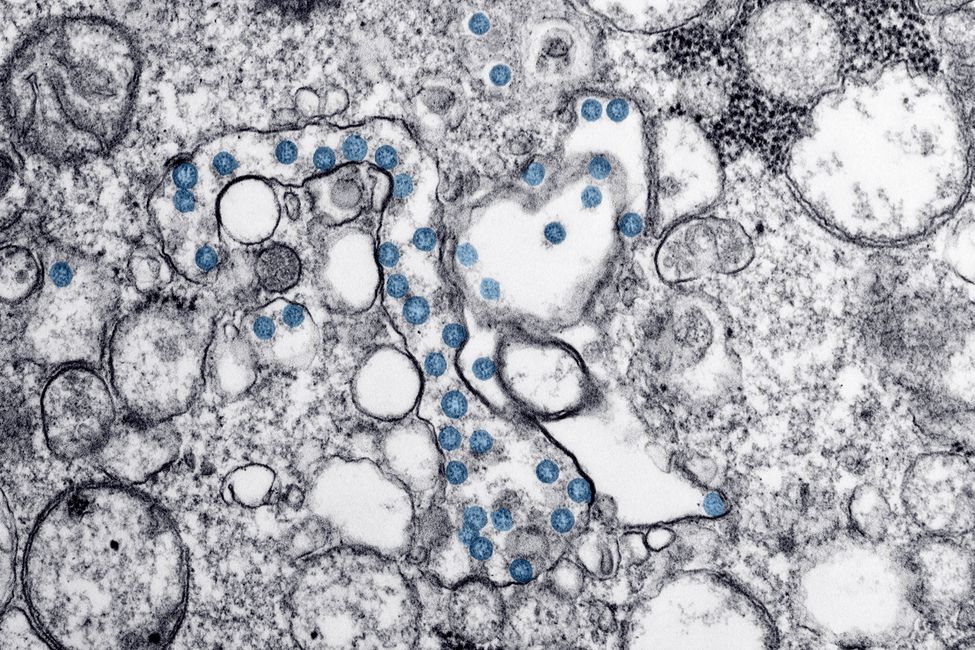
*Photo: CDC · Pexels*
What stands out in this study is the specificity of the link. The accelerated aging in these immune cells did not align as strongly with physical symptoms like tiredness or changes in appetite. Instead, it tracked with the interior experience of depression, the parts that are hardest to see from the outside and sometimes hardest to put into words.
Why this matters for early detection
If this research continues to hold up, it opens a path toward identifying people at higher risk for depression before they reach a crisis point. A blood test would not replace thoughtful conversation or clinical assessment, but it could serve as an additional tool, especially in settings where mental health resources are stretched thin or where stigma makes it difficult for people to speak openly about how they feel.
Early detection matters because depression, when caught sooner, often responds better to support. Whether that support comes through therapy, lifestyle changes, medication or community connection, intervening earlier can make a meaningful difference in someone's quality of life.
There is also something quietly powerful about the idea that what we feel internally might leave a trace in our biology. It validates the physical reality of emotional pain, a reminder that mental health is not separate from the body but woven into it.

*Photo: Mikhail Nilov · Pexels*
The road ahead
This is still early-stage research. The findings come from one study, and much more work is needed before a test like this could be used reliably in clinical settings. Scientists will need to understand whether these patterns hold across different populations, ages and types of depression. They will need to ensure the test is accurate, accessible and truly helpful rather than adding another layer of medical complexity.
There are also important questions about what happens next if someone receives a result suggesting elevated risk. Would it lead to meaningful support, or could it create anxiety without adequate follow-up care? These are the kinds of considerations that must be thought through carefully as the science develops.
Still, the research adds to a growing body of evidence that depression is not just a disorder of the mind but a whole-body experience, involving inflammation, stress hormones, sleep architecture and now, it seems, the aging of our immune cells.
Why this matters to you
For those of us working in mental health and wellness spaces, including podcasters and content creators, this kind of research reminds us how much we still have to learn. It also underscores the importance of talking about mental health in ways that honour both the emotional experience and the biological reality.
Depression is not a weakness or a failure of willpower. It is a complex condition influenced by genetics, environment, stress, trauma and, as this research suggests, processes happening at the cellular level. Understanding that can help reduce shame and open up more compassionate conversations.
As the science moves forward, the hope is that tools like this blood test might one day be part of a broader, more humane approach to mental health care, one that catches people before they fall too far and offers help that is timely, informed and kind.
Based on reporting from sciencedaily.com.

Comments
Loading comments…