
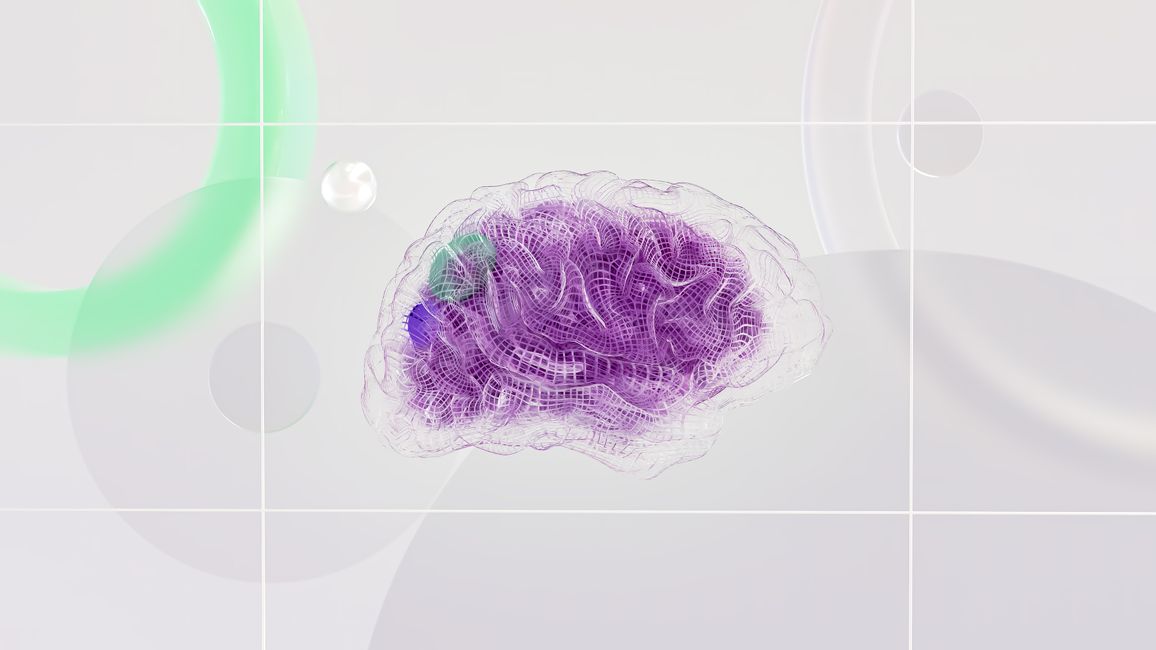
For decades, Parkinson's disease has been understood primarily as a condition where specific brain cells die off, leading to the tremors, stiffness and slowness that define the illness. But a new international study is challenging that picture. Researchers now believe they have identified a distinct brain network that becomes hyperconnected in Parkinson's, and that this network may be the real engine behind the disease.
The findings suggest that Parkinson's is not just about losing cells in one area of the brain. Instead, it involves widespread disruption across connected regions that control movement, thinking and even automatic body functions like blood pressure and digestion. That shift in understanding could change how doctors diagnose the condition and how patients are treated.
A network gone haywire
The research team examined brain activity in people with Parkinson's and found that a specific network of regions became unusually tightly connected. Rather than working in balance, these areas appeared to be locked in overdrive, interfering with the smooth coordination the brain needs to regulate movement and cognition.
This overconnection helps explain why Parkinson's affects so much more than motor control. Many people with the condition experience trouble with memory, attention and decision-making. Others struggle with fatigue, sleep disturbances or shifts in mood. The newly identified network touches all these systems, suggesting that the disease operates at a deeper structural level than previously thought.

*Photo: Juan Manuel Montejano Lopez · Pexels*
What makes the discovery especially promising is that it points to a target. If a hyperconnected network is driving symptoms, then calming that network down might offer relief across multiple fronts at once.
Testing a new approach to treatment
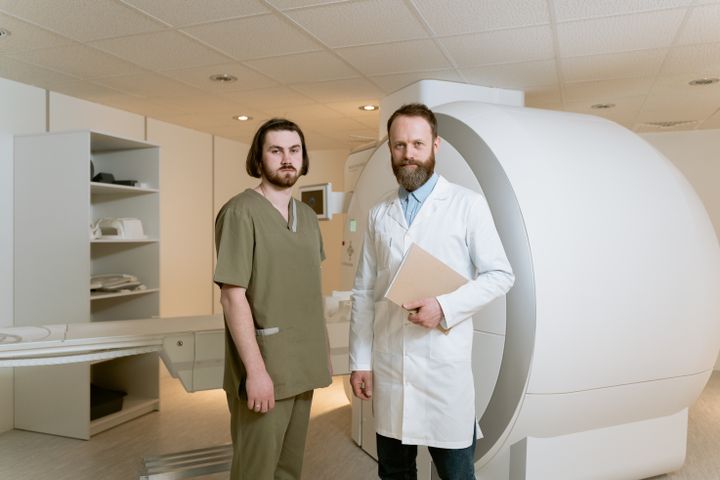
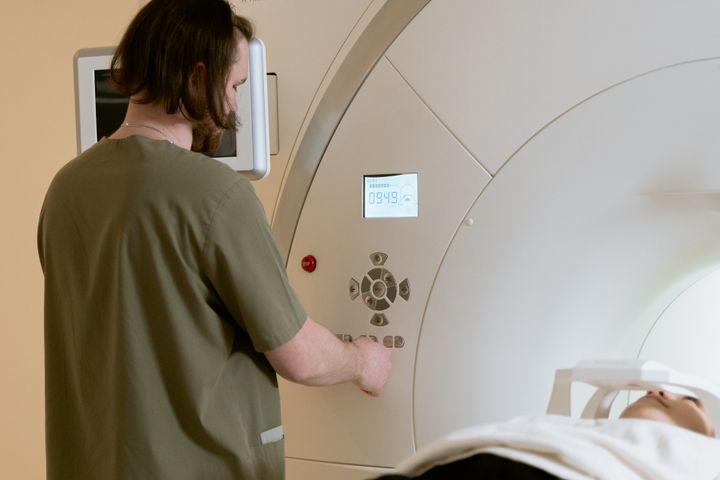
The researchers did not stop at observation. They tested whether targeting this network with non-invasive brain stimulation could help patients. The technique, which uses magnetic pulses to gently influence brain activity, is already used in some Parkinson's treatments. But in this study, the stimulation was aimed specifically at the newly identified network rather than following conventional protocols.
The results were striking. Patients who received stimulation tailored to the network showed much stronger improvements in their symptoms than those who received standard treatment. The targeted approach appeared to address not only movement problems but also some of the cognitive and autonomic issues that make Parkinson's so difficult to live with.
This does not mean a cure is around the corner. The study is still early, and more work is needed to confirm the findings and refine the technique. But it does suggest that precision matters. Treating Parkinson's as a network disorder, rather than simply replacing lost dopamine or managing individual symptoms, could open new pathways for care.

*Photo: Tara Winstead · Pexels*
What it means for people living with Parkinson's
For anyone affected by Parkinson's, whether directly or through a loved one, this research offers something quietly significant: a different way of seeing the disease. It reframes Parkinson's not as a slow breakdown of isolated parts, but as a communication problem within the brain. And communication problems, in theory, can be addressed.
The idea that non-invasive stimulation could be tailored to individual brain networks also raises the possibility of more personalised treatment. Right now, Parkinson's care often involves trial and error with medications and therapies. A network-based approach might allow doctors to map a person's unique brain activity and design interventions that fit their specific pattern of symptoms.
There is also something reassuring in the breadth of this finding. Because the network touches movement, thinking and bodily regulation, improving its function could mean relief across several areas of life at once. That matters deeply for people who live with the daily unpredictability of Parkinson's.
Why this matters
This study represents a shift in how we understand one of the most common neurodegenerative diseases. It moves beyond the idea of Parkinson's as a localised problem and toward a view of the brain as an interconnected system that can fall out of sync. That shift has practical implications for treatment, but it also changes the conversation around the disease itself.
For those of us interested in mental health and wellbeing, it is a reminder that the brain is not a collection of separate functions. Movement, mood, thought and bodily regulation are all woven together. When one thread pulls, others follow. Understanding those connections brings us closer to care that honours the whole person.
The road from discovery to widely available treatment is long, and no single study can promise a breakthrough. But this research offers a new map, and sometimes a better map is exactly what is needed to find the way forward.
Based on reporting from sciencedaily.com.

Comments
Loading comments…