
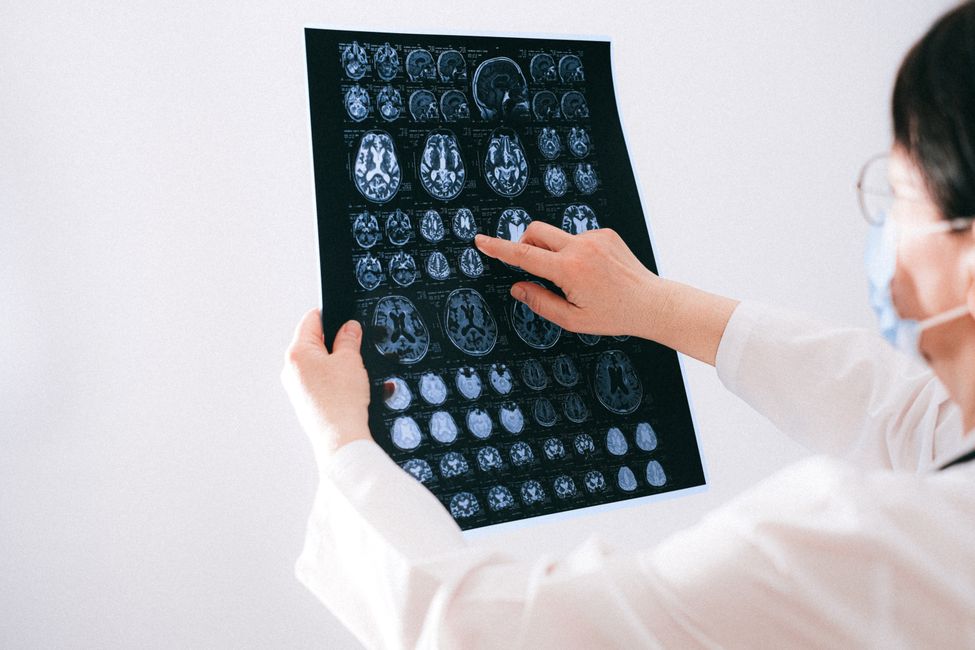
Scientists have identified a physical difference in the brains of people with psychopathic traits, offering fresh insight into how brain structure might relate to certain patterns of behaviour.
Using MRI scans and psychological assessments with 120 participants, researchers discovered that people with psychopathic characteristics had a striatum that was roughly 10% larger than those without such traits. The striatum is a deep brain region involved in how we experience reward, make decisions, and respond to motivation.
The finding adds a biological dimension to our understanding of psychopathy, though it raises as many questions as it answers about the relationship between brain structure and human behaviour.
What the striatum does
The striatum sits near the centre of the brain and plays a crucial role in our everyday functioning. It helps process rewards, making us feel good when something positive happens. It also influences motivation, driving us toward goals and experiences we find appealing.
This brain region is involved in decision-making too, particularly the kind that weighs up potential rewards against risks. When the striatum is more active or structured differently, it can affect how strongly someone pursues stimulation, how impulsive their choices are, and how they respond to the prospect of something exciting or novel.
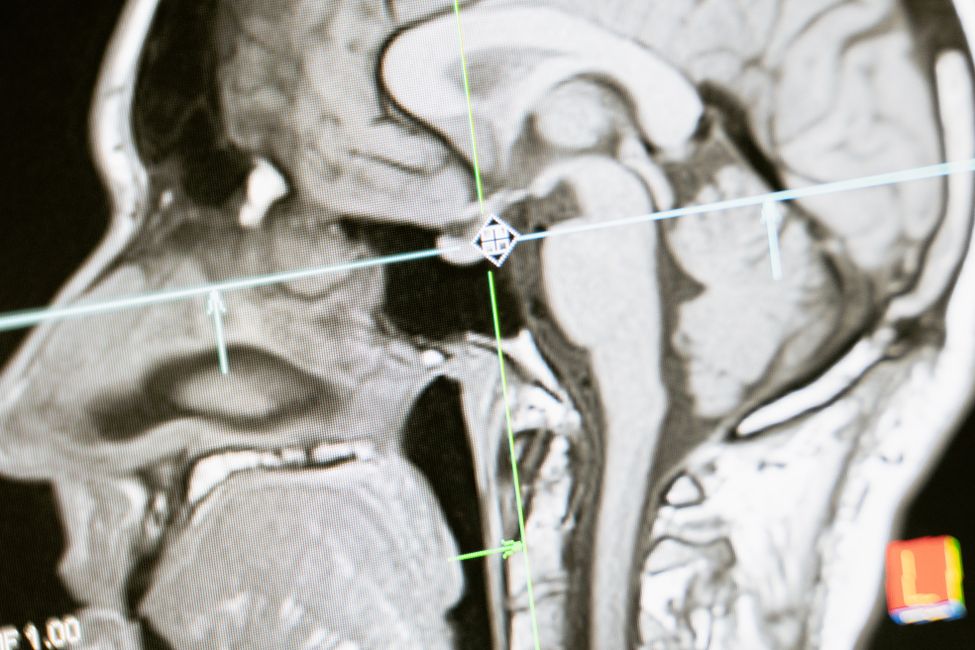
*Photo: MART PRODUCTION · Pexels*
The researchers found that the size difference in this region correlated with traits often associated with psychopathy: a heightened drive for thrills, more impulsive behaviour, and a stronger need for stimulation. These characteristics have long been recognised in psychological assessments, but seeing them reflected in brain structure offers a different lens through which to view them.
What this means and what it does not
It is important to be clear about what this research shows and what it does not. The study identifies a correlation between brain structure and certain traits. It does not suggest that having a larger striatum causes someone to develop psychopathic characteristics, nor does it mean that brain scans could or should be used to diagnose or label people.
Human behaviour emerges from a complex interplay of biology, environment, experience, and choice. Brain structure is one piece of that puzzle, not the whole picture. Many factors shape how someone acts in the world, and reducing that to a single measurement would be an oversimplification.
The research also does not imply that people with psychopathic traits are beyond understanding or connection. Psychopathy exists on a spectrum, and many people with some of these characteristics live ordinary lives without causing harm. The term itself carries heavy cultural baggage, often used in ways that dehumanise or sensationalise.
What the study does offer is a window into the biological underpinnings of certain behavioural patterns. It suggests that differences in how the brain is wired might contribute to differences in how people experience reward and seek out stimulation.

*Photo: Pavel Danilyuk · Pexels*
Why it matters for understanding behaviour
For researchers and clinicians, findings like these can help build a more complete picture of why people behave the way they do. Understanding the brain basis of impulsivity or reward-seeking might one day inform more effective interventions, particularly for people whose behaviour patterns cause distress or difficulty in their lives.
For the rest of us, studies like this are a reminder that human behaviour is deeply rooted in biology, even as it remains shaped by countless other forces. They challenge us to hold space for complexity, to resist simple explanations, and to remember that every person is more than the sum of their brain structures.
The research also highlights how much we still do not know. Why would a larger striatum develop in some people and not others? Is it present from birth, or does it change over time? How do environmental factors interact with these biological differences? These questions remain open.
The bigger picture
Brain imaging research has come a long way in recent decades, allowing scientists to observe living brains in action and at rest. Each new finding adds a piece to the vast puzzle of human neuroscience, even as the full picture remains elusive.
This particular study reminds us that the brain is not a static organ but a dynamic, variable one. No two brains are exactly alike, and those differences matter. They influence how we feel, what we want, and how we move through the world.
For podcasters exploring topics of human behaviour, psychology, or neuroscience, this research offers a concrete example of how biology and behaviour intersect. It is a story about measurement and meaning, about what we can see in a scan and what remains invisible.
For anyone interested in their own wellbeing, the takeaway is gentler: our brains are wired in different ways, and those differences help explain why we are drawn to different experiences, why some of us crave novelty while others seek calm. Understanding that variety, in ourselves and others, is part of building a more compassionate view of what it means to be human.
Based on reporting from sciencedaily.com.

Comments
Loading comments…