

If you've spent years tossing and turning through the night, new research suggests those sleepless hours may be doing more than leaving you tired. A large study from the Mayo Clinic has found that chronic insomnia could be quietly accelerating brain aging, raising the risk of dementia and cognitive decline by as much as 40%.
The findings add weight to what sleep scientists have long suspected: that the quality of our rest isn't just about how we feel the next day, but about the long-term health of our minds. For those who struggle with sleep night after night, the research offers both a warning and a reason to take those struggles seriously.
What the Study Found
Researchers at the Mayo Clinic examined data from a significant number of people over time, tracking both their sleep patterns and their cognitive health. What emerged was a clear pattern. People who reported long-term trouble sleeping, particularly chronic insomnia, were 40% more likely to develop dementia or experience measurable cognitive impairment compared to those who slept well.
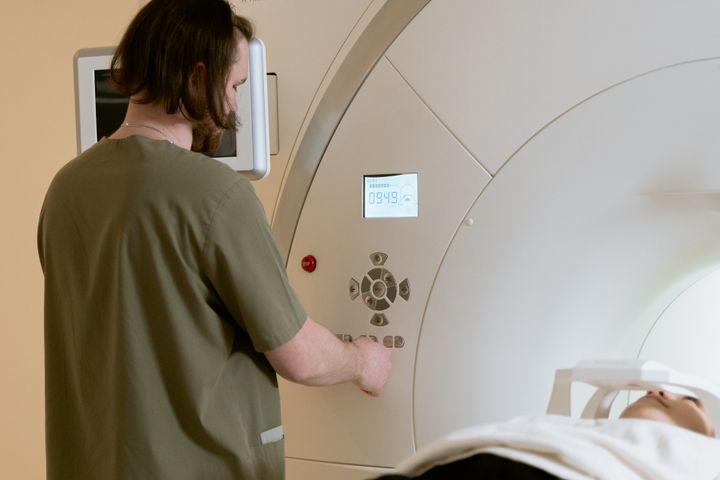
The study went further, using brain scans to look at physical changes in the brain. Those scans revealed alterations associated with Alzheimer's disease in people with persistent sleep problems. Even more striking, people who reported consistently reduced sleep showed cognitive declines that mirrored what you'd expect to see in someone four years older.
For certain individuals, the picture was even more concerning. Those carrying specific genetic risk factors for Alzheimer's and related conditions showed steeper drops in cognitive function when poor sleep was also part of the equation. It suggests that sleep troubles and genetic vulnerability may compound one another, speeding up a process that might otherwise unfold more slowly.

*Photo: Anna Shvets · Pexels*
Why Sleep Matters for the Brain
Sleep is far from passive. While we rest, the brain is busy clearing out waste products, consolidating memories, and repairing itself. When that process is interrupted night after night, the consequences seem to build up over time.
The connection between sleep and dementia isn't entirely new. Previous studies have hinted at links between poor sleep and cognitive decline, but this research strengthens the case with its scale and the use of brain imaging. It moves the conversation beyond correlation and closer to understanding a mechanism: chronic sleep disruption may be interfering with the brain's ability to protect and restore itself.
What makes this particularly relevant now is how common sleep problems have become. Stress, screen time, irregular schedules, and untreated sleep disorders mean that millions of people are living with fragmented or insufficient rest. If those patterns persist for years, the risk to brain health may be greater than many realise.
What This Means for How We Think About Sleep
For a long time, poor sleep was often dismissed as an inconvenience or something to push through. This research suggests we need to rethink that attitude. Sleep isn't a luxury or a sign of laziness. It's a biological necessity, and when it's compromised over the long term, the effects reach deep into how our brains age.

*Photo: Chris Alo · Pexels*
That doesn't mean one bad night, or even a rough patch, will lead to dementia. The study focused on chronic, long-term sleep troubles, the kind that persist over years. But it does mean that ongoing insomnia or poor sleep quality deserves attention, not resignation.
The findings also highlight the importance of addressing sleep issues early. Whether that means better sleep hygiene, managing stress, seeking help for underlying sleep disorders, or working with a doctor to find solutions, taking action sooner rather than later could make a real difference to brain health down the line.
For those already carrying genetic risk factors for Alzheimer's or other forms of dementia, the research underscores how important sleep becomes. It may be one of the modifiable factors, something within reach to change, even when genetics are not.
Why It Matters
This research matters because it connects something many of us experience, trouble sleeping, with something many of us fear, losing our cognitive sharpness as we age. It's a reminder that the everyday habits we overlook can have profound long-term consequences.
For podcast creators and listeners exploring wellness, mental health, and aging, these findings offer a powerful story about prevention and self-care. Sleep is one of the most accessible interventions we have, and yet it's often the first thing we sacrifice. Understanding that those sacrifices may carry a cost years later could shift how we prioritise rest.
The study also speaks to the value of listening to our bodies. Chronic insomnia isn't just discomfort. It's a signal worth responding to. Whether through lifestyle changes, therapy, medical support, or simply giving sleep the respect it deserves, there are paths forward.
Based on reporting from sciencedaily.com.


Comments
Loading comments…