
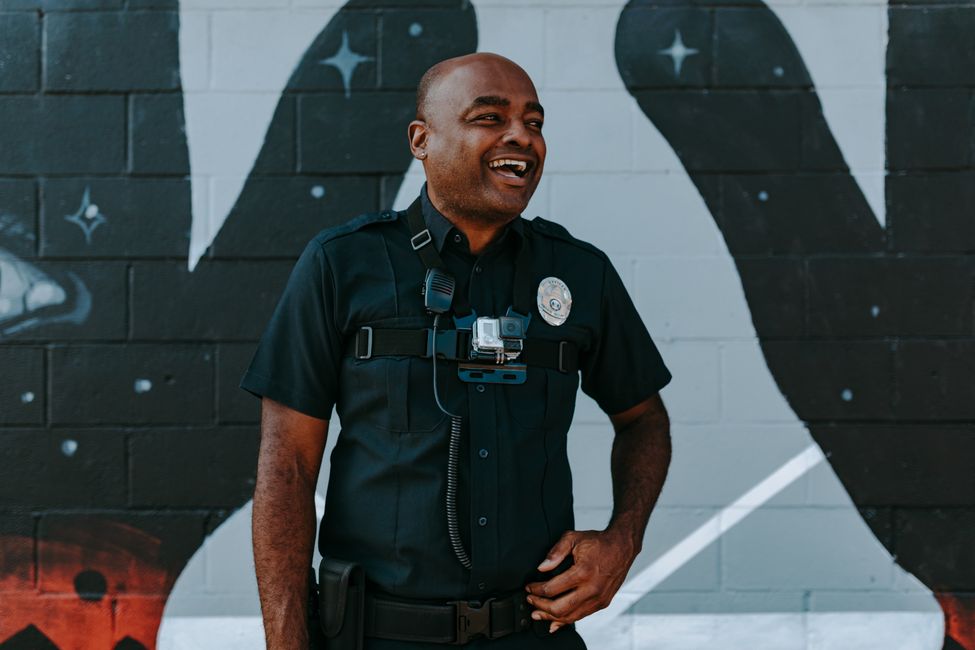
Police officers carry more than the weight of their uniforms and responsibilities. According to new research, they also face dramatically higher rates of traumatic brain injuries compared to the rest of us, a finding that sheds light on hidden occupational hazards that can affect mental health for years.
The survey found that officers are more than twice as likely to experience traumatic brain injuries than people in the general population. This isn't just about physical safety. Brain injuries, even seemingly minor ones, can have lasting effects on mood, memory, relationships and overall wellbeing.
The Hidden Toll of Police Work
When we think about risks in policing, we often picture the obvious dangers: confrontations, vehicle pursuits, physical altercations. What this research highlights is something less visible but equally serious. Brain injuries can happen in many ways during police work, from being struck or falling during arrests to vehicle accidents or even repeated lower-level impacts over time.
The significance goes beyond the immediate injury. Traumatic brain injuries are known to increase vulnerability to mental health challenges, including post-traumatic stress disorder. For officers who already face high-stress situations regularly, the combination can be particularly difficult. The brain injury itself may change how someone processes stress, regulates emotions or recovers from difficult experiences.
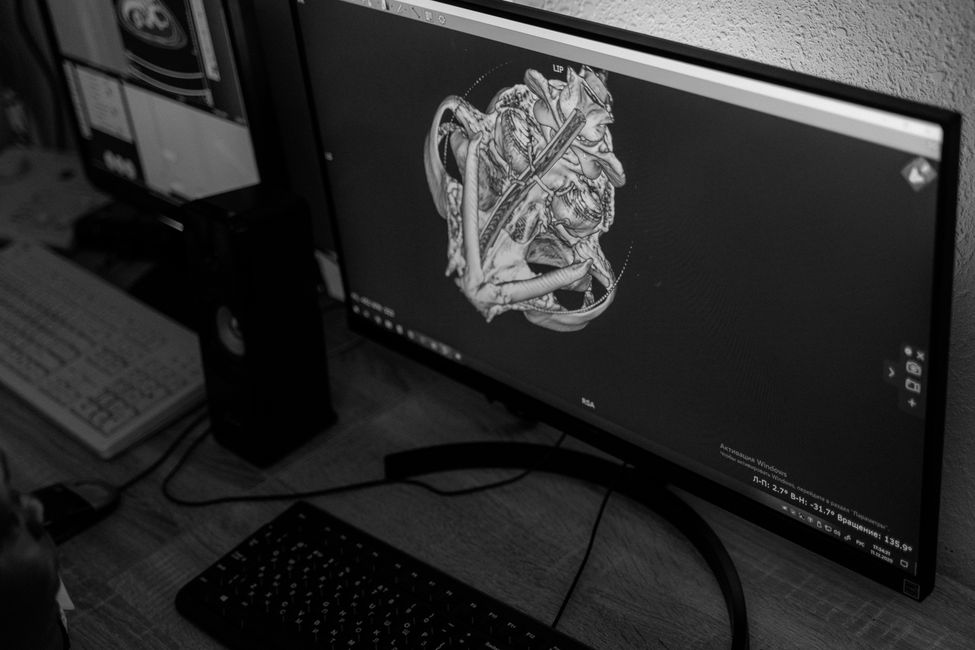
*Photo: Tima Miroshnichenko · Pexels*
What makes this research valuable is its scope. Survey data allows researchers to look at patterns across large groups of people, revealing trends that might not be obvious in smaller studies. The finding that officers face double the risk compared to the general population is striking and suggests this is a systemic issue rather than isolated incidents.
Why This Matters for Mental Health
The connection between physical brain injuries and mental health is becoming clearer through research. A traumatic brain injury can affect the very structures in the brain that help us manage emotions, make decisions and cope with stress. For someone in a demanding profession like policing, these changes can compound existing pressures.
Officers may experience shifts in mood, increased irritability, difficulty concentrating or problems with sleep following a brain injury. These symptoms can be mistaken for burnout or stress alone, when in fact there may be a physical component that needs attention. Understanding this link is important for both officers and the people who support them.
The research also points to PTSD risk, which makes sense when you consider how brain injuries and psychological trauma can interact. An officer who experiences a head injury during a traumatic event may be dealing with both the physical effects of the injury and the psychological impact of what happened. Each can make the other worse.

*Photo: cottonbro studio · Pexels*
What Needs to Change
Findings like these should prompt conversations about prevention and support. Police departments might need to look more carefully at situations where head injuries occur and consider better protective measures. Just as importantly, there needs to be awareness among officers themselves about the signs of brain injury and the importance of getting checked out after incidents.
Too often in high-pressure professions, there's a culture of pushing through. An officer might shake off a blow to the head and keep working, not realising the potential long-term consequences. Creating space for people to acknowledge when they've been hurt, physically or psychologically, is essential.
Support systems matter enormously. Officers who have experienced brain injuries need access to proper medical evaluation and follow-up care. They also need mental health support that understands the complex interplay between physical injury and psychological wellbeing. Treatment that addresses only one piece of the puzzle may miss important factors.
The Bigger Picture
This research reminds us that occupational health isn't just about visible injuries or dramatic incidents. The cumulative effect of physical risks, including repeated head impacts, can shape someone's mental health over the course of a career. For police officers, whose work already involves regular exposure to trauma and stress, these additional physical vulnerabilities deserve serious attention.
The findings also matter beyond policing. They add to growing evidence about how brain injuries affect mental health across different contexts. Understanding these connections helps us support people more effectively, whether they're in high-risk professions or dealing with injuries from other causes.
For anyone working in or around law enforcement, this research offers important validation. If you've experienced changes after a head injury, you're not imagining things. The physical and emotional effects are real and connected. Recognition is the first step toward getting the right kind of help.
Based on reporting from sciencedaily.com.

Comments
Loading comments…