

For people living with severe depression that hasn't responded to conventional medications, a surprising candidate is emerging as a potential option: nitrous oxide, the same gas dentists have used for decades to ease anxiety during procedures.
A new meta-analysis has found that nitrous oxide may offer remarkably quick relief from depressive symptoms, with improvements appearing after just a single treatment session. The findings are particularly striking for those who have tried multiple antidepressants without success, a situation that affects millions of people worldwide.
What the Research Found
Researchers examined existing studies on nitrous oxide as a depression treatment and discovered two important patterns. First, people experienced rapid improvements in their symptoms after receiving a single dose of the gas. Second, when treatments were repeated over time, the benefits appeared to last longer and become more sustained.
The side effects reported in these studies were generally mild and didn't linger. Most people tolerated the treatment well, though researchers are careful to note that much more work needs to be done before this could become a standard option.
What makes this particularly meaningful is the focus on treatment-resistant depression. When someone has tried two or more antidepressants without finding relief, the search for alternatives becomes urgent. Standard antidepressants can take weeks to show any effect, and for many people, they never quite work. The possibility of a treatment that acts quickly opens up a different kind of hope.

*Photo: RDNE Stock project · Pexels*
Why Nitrous Oxide Might Work
The mechanism behind nitrous oxide's potential antidepressant effects is still being understood, but it appears to work on different brain pathways than traditional medications. Most standard antidepressants target serotonin, norepinephrine, or dopamine systems. Nitrous oxide, by contrast, interacts with other receptors in the brain, which may explain why it could help people who haven't responded to conventional approaches.
The speed of the effect is also notable. While typical antidepressants require daily use over weeks before any benefit emerges, the rapid action of nitrous oxide could be crucial for people in acute distress. That said, the research shows that repeated sessions seem necessary for longer-lasting benefits, so this isn't a single-treatment cure.
It's worth remembering that nitrous oxide has been used safely in medical and dental settings for generations. Its safety profile is well-established in those contexts, though using it specifically for depression treatment would require different protocols and careful monitoring.
What This Doesn't Mean Yet
The researchers themselves emphasise an important caveat: larger, longer-term studies are essential before anyone should consider this a proven treatment. Meta-analyses gather existing research together to spot patterns, but they can't replace the need for robust clinical trials designed specifically to test safety and effectiveness over time.
This isn't something anyone should seek out on their own. Nitrous oxide needs to be administered in controlled medical settings, and recreational use carries serious risks. The studies examined in this analysis used carefully measured doses under professional supervision.
There are also questions still to answer. How often would treatments need to happen? How long do the benefits last? Are there certain groups of people for whom this works better or worse? What about potential long-term effects? These are the kinds of questions that proper clinical trials will need to address.

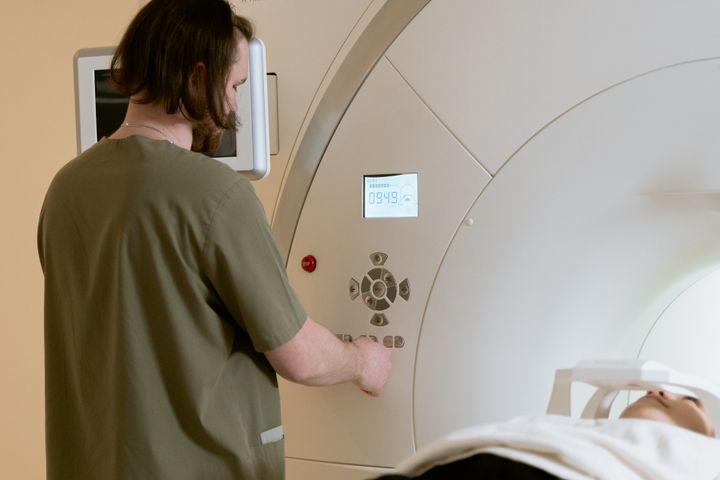
*Photo: Anna Shvets · Pexels*
Why It Matters
For the mental health community, this research represents something valuable even before nitrous oxide becomes an established treatment option. It's a reminder that depression is complex, that different brains may need different approaches, and that looking beyond traditional pathways can reveal new possibilities.
The podcast and wellness space often talks about the importance of not giving up when the first treatment doesn't work. This research reinforces that message with science. Treatment-resistant depression doesn't mean untreatable depression. It means the right approach hasn't been found yet.
For content creators in the mental health space, stories like this offer a chance to talk about the evolving nature of treatment, the importance of research, and the reality that help can come from unexpected places. It's also a chance to acknowledge how hard it is to keep trying when medications don't work, and how much courage that takes.
The timeline from promising research to available treatment is often long, involving years of additional studies and regulatory approvals. But for people who follow mental health research, knowing that scientists are actively exploring new options can itself be meaningful.
This research matters because it expands our understanding of what's possible in treating depression, particularly for those who need it most. For podcasters covering mental health, it's a story about science, hope, and the ongoing search for better ways to help people heal.
Based on reporting from sciencedaily.com.


Comments
Loading comments…