

Turning to cannabis when life feels overwhelming might seem like a way to take the edge off, but new research suggests it can lead people down a more difficult path. A recent study has found that individuals who use cannabis to cope with emotional distress experience higher levels of paranoia and tend to consume more THC than those who use it recreationally.
The findings add an important layer to our understanding of why people reach for cannabis and what happens when they do. While the plant has become increasingly normalised in many parts of the world, the motivations behind use appear to matter significantly for mental wellbeing.
The coping trap
Researchers discovered that people who turn to cannabis as a way to self-medicate face distinct risks compared to recreational users. Those using it to manage stress, anxiety or other emotional difficulties reported experiencing more paranoid thoughts. They also consumed higher amounts of THC, the psychoactive compound in cannabis that produces the characteristic high.
This pattern suggests a troubling cycle. When someone uses cannabis to escape or numb difficult feelings, they may find themselves needing more of it over time, while simultaneously experiencing the very kind of anxious, suspicious thoughts they were trying to avoid in the first place. The study highlights how using any substance as an emotional crutch can create unintended consequences that compound rather than solve the original problem.
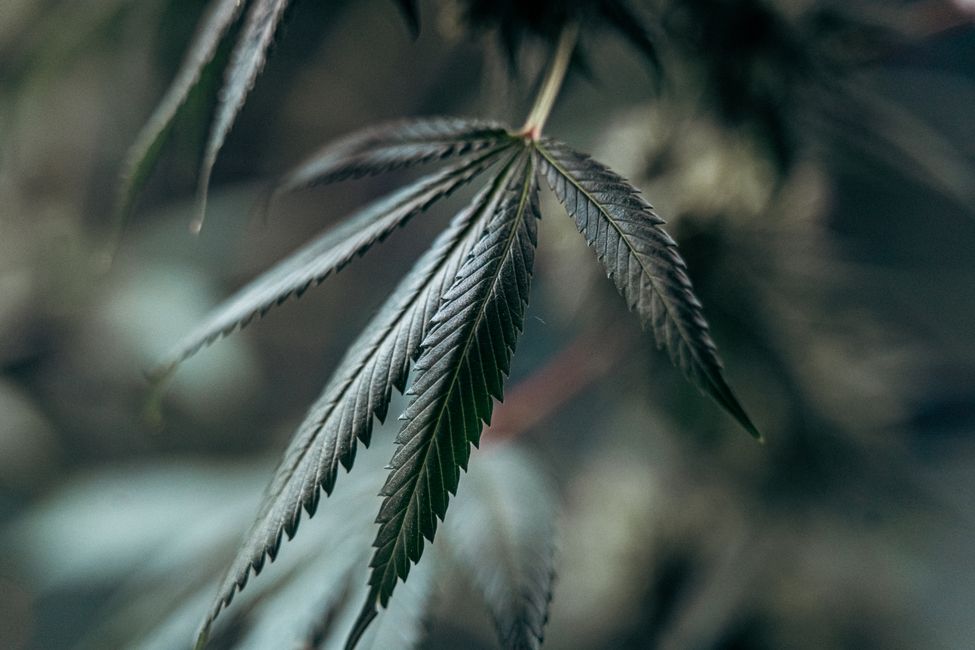
*Photo: Manuella Schorchit · Pexels*
Childhood trauma deepens the risk
Perhaps the most significant finding concerns the role of early life experiences. The research showed that childhood trauma substantially increases the risk of paranoia among cannabis users who are trying to cope with their emotions. Emotional abuse in particular emerged as a strong predictor of paranoid thoughts.
This connection makes sense when you consider how childhood trauma can shape the way we relate to the world. People who experienced emotional abuse early in life often carry forward a heightened sense of threat or mistrust. When cannabis enters the picture as a coping mechanism, it appears to amplify rather than soothe these underlying vulnerabilities.
The study underscores something mental health professionals have long observed: unresolved trauma doesn't simply fade with time or with substances meant to mask it. Instead, it finds ways to surface, sometimes in unexpected forms like paranoia or heightened anxiety.
What this means for wellbeing
These findings matter because they challenge the increasingly common narrative that cannabis is a harmless way to manage stress or difficult emotions. While the substance may offer temporary relief for some people, using it to cope rather than simply enjoy appears to carry measurable risks, particularly for those already carrying the weight of past trauma.

*Photo: Zaur Takhgiriev · Pexels*
The research doesn't suggest that everyone who uses cannabis will experience paranoia, nor does it claim that childhood trauma inevitably leads to problems. What it does show is that the intersection of coping-motivated use, higher THC consumption and early adversity creates a particularly risky combination.
For anyone considering cannabis as a way to manage emotional pain, these results suggest the importance of pausing to consider other options. Trauma-informed therapy, connection with others who understand, and learning skills to process difficult emotions all offer paths forward that build resilience rather than dependence. The appeal of a quick fix is understandable, especially when you're hurting, but the evidence suggests it may not deliver what we're truly looking for.
For podcasters and content creators in the mental wellness space, this research offers an opportunity to have honest, nuanced conversations about substance use and coping. It's a chance to move beyond polarised debates about whether cannabis is good or bad, and instead explore the deeper questions: What are we trying to manage? What do we really need? And what actually helps us heal?
The study reminds us that our coping strategies matter as much as our intentions. When we're struggling, we deserve approaches that genuinely support our wellbeing over time, rather than ones that might quietly make things harder. If you're using anything to cope and finding it's not quite working as you'd hoped, support is available.
Based on reporting from sciencedaily.com.

Comments
Loading comments…