
A recent clinical trial has brought encouraging news for people living with post-traumatic stress disorder that hasn't responded to standard treatments. Researchers found that pairing traditional therapy with vagus nerve stimulation helped patients remain free of symptoms for up to six months after their treatment ended.
The study focused on individuals whose PTSD had proven resistant to conventional approaches, a group that often faces limited options and prolonged suffering. By adding a device that gently stimulates the vagus nerve during therapy sessions, the treatment appeared to enhance the brain's ability to process trauma and form new, healthier associations.
How the treatment works
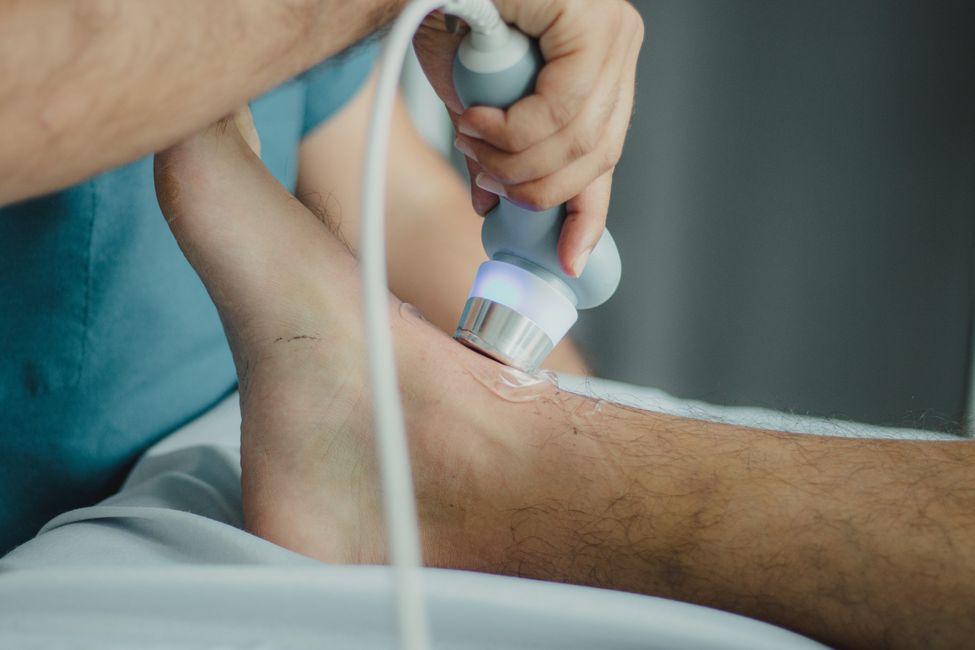
Vagus nerve stimulation involves a small device that sends mild electrical signals to the vagus nerve, which runs from the brain through the neck and into the body. This nerve plays a significant role in how our nervous system responds to stress and regulates emotional states.
During the study, patients received this stimulation while engaging in traditional therapy sessions. The idea is that the nerve stimulation may help the brain become more receptive to therapeutic work, potentially making it easier to process traumatic memories and reduce their emotional grip.
What stands out about these findings is not just that patients improved during treatment, but that they maintained their progress long after the sessions ended. Six months is a meaningful timeframe in PTSD research, suggesting the benefits weren't temporary or dependent on ongoing intervention.
*Photo: Steve A Johnson · Pexels*
Why this matters for treatment-resistant cases
For many people with PTSD, standard therapies like cognitive behavioural therapy or exposure therapy can bring significant relief. But a portion of patients continue to struggle despite trying multiple approaches. These cases are often described as treatment-resistant, and they represent one of the most challenging areas in mental health care.
The psychological weight of trying treatment after treatment without lasting improvement can compound the original trauma. People may begin to lose hope or feel that recovery isn't possible for them. New options that show promise for this group are therefore particularly valuable, not just medically but emotionally.
This study adds to a growing body of research exploring how physical interventions might support psychological healing. The vagus nerve has become a focus of interest partly because of its connection to the body's stress response system. When we experience trauma, our nervous system can become stuck in patterns of hypervigilance or shutdown. Approaches that help regulate this system may create a foundation for therapeutic work to take hold more effectively.
Looking at the bigger picture
While the results are promising, it's important to note that this was a clinical study with specific parameters. The research focused on a particular group of patients and used a controlled treatment protocol. Real-world application will require further research, refinement and careful consideration of who might benefit most.

*Photo: Ivan Babydov · Pexels*
The treatment also requires specialised equipment and trained practitioners, which means access may be limited initially. As with many emerging therapies, questions about availability, cost and insurance coverage will need to be addressed before it can reach everyone who might benefit.
Still, the six-month follow-up period offers genuine cause for optimism. In PTSD treatment, durability of results matters enormously. A therapy that helps someone feel better temporarily but doesn't create lasting change leaves people cycling through treatments without building a stable foundation for recovery.
The combination approach tested in this study suggests that supporting the body's nervous system while doing psychological work may be more effective than either intervention alone. This aligns with a broader shift in trauma treatment toward recognising that healing happens in both mind and body.
For podcasters and content creators discussing mental health, this research highlights how treatment innovation continues to evolve. It's a reminder that when standard approaches don't work, the answer isn't necessarily that someone is untreatable. Sometimes it means we need different tools or combinations of tools.
The study also speaks to the importance of patience and persistence in research. Developing new treatment options takes time, rigorous testing and a willingness to explore connections between different systems in the body. This particular avenue, linking nerve stimulation with therapy, represents years of work by researchers trying to understand how we can better support people with trauma.
For anyone living with PTSD, especially those who have found limited help from existing treatments, knowing that research continues and new possibilities emerge can matter deeply. While no single study represents a complete answer, each piece of evidence adds to our collective understanding and brings us closer to more effective care.
If you or someone you know is struggling with PTSD or trauma, support is available through mental health professionals who specialise in trauma treatment.
Based on reporting from sciencedaily.com.

Comments
Loading comments…