

Researchers have found evidence linking difficult early life experiences to both substance use and unexpected changes in physical health markers among teenagers. The study shows that young people who experience trauma in childhood are significantly more likely to be using alcohol, tobacco or illicit drugs by the time they reach 18, while also showing distinct patterns in cardiovascular measurements.
The findings add to our understanding of how early adversity can cast a long shadow, affecting not just emotional wellbeing but also the choices young people make and how their bodies respond to stress over time.
What the research measured
The study examined adolescents who had experienced various forms of childhood trauma, tracking their substance use patterns and physical health indicators as they moved through their teenage years. By age 18, those with a history of early hardship showed markedly higher rates of harmful alcohol consumption, smoking and use of illicit substances compared to peers without similar backgrounds.
What caught researchers' attention were the accompanying cardiovascular findings. The study documented unexpected effects on heart rate and blood pressure among this group, suggesting that the body carries the imprint of early stress in measurable ways. These physical markers appeared alongside the behavioural patterns, painting a picture of how trauma can influence development on multiple levels.
The research underscores something many in mental health and youth services have observed: that childhood experiences don't simply fade away. They shape how young people navigate adolescence, influence the coping strategies they reach for, and leave traces in their physical health.
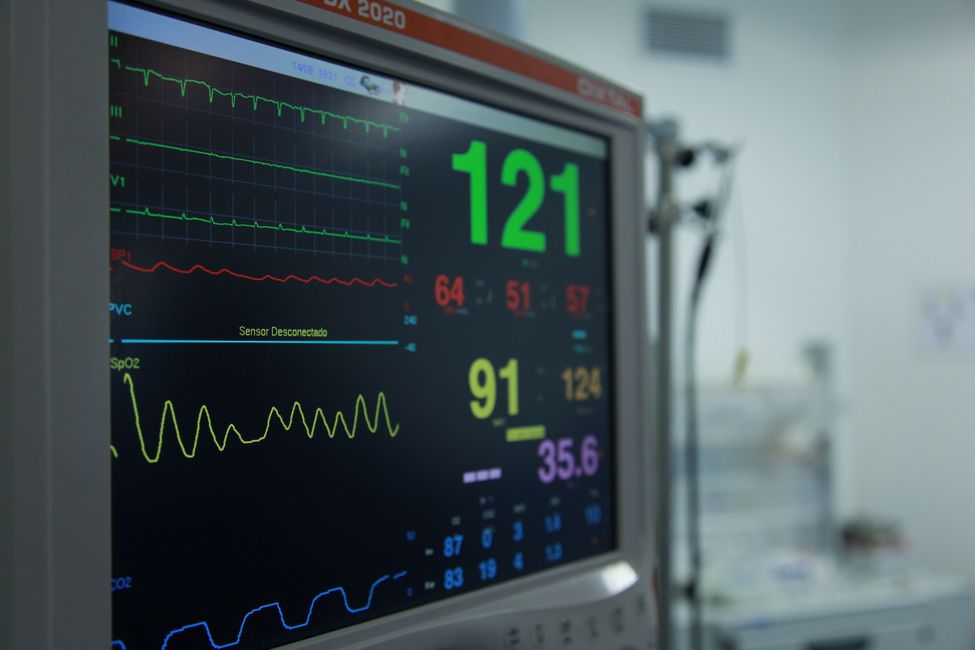
*Photo: CARLOSCRUZ ARTEGRAFIA · Pexels*
Understanding the connection
The link between early adversity and later substance use isn't new territory for researchers, but this study adds weight to the evidence while introducing the cardiovascular dimension. When children face overwhelming stress, neglect or harm, their developing systems are affected in ways that persist.
Substance use in adolescence often serves as a way to manage difficult feelings or numb emotional pain that has nowhere else to go. For young people carrying the weight of trauma, alcohol, cigarettes or drugs can feel like the only available tools to cope with anxiety, low mood or memories they weren't equipped to process at a younger age.
The cardiovascular effects are less immediately visible but equally important. Chronic stress in childhood can alter how the body's stress response system develops, potentially affecting heart rate, blood pressure regulation and other physical functions. These aren't necessarily dramatic changes, but they represent the body's adaptation to an environment that felt unsafe or unpredictable.
Why early support matters
The implications of this research extend beyond statistics. Each data point represents a young person who needed support earlier and might still benefit from intervention now. The study reinforces the case for trauma-informed approaches in schools, healthcare settings and community programmes.
When we understand that substance use among teenagers often has roots in earlier pain, we can respond with more appropriate support rather than simply addressing the behaviour itself. Similarly, recognising that trauma affects physical health means healthcare providers can take a more complete view of adolescent wellbeing.
Prevention and early intervention become crucial. Creating safe environments for children, recognising signs of distress early, and providing accessible support can change trajectories. For teenagers already showing these patterns, it's never too late. Trauma-informed care, therapeutic support and harm reduction approaches can all play a role in helping young people find healthier ways forward.

*Photo: Timur Weber · Pexels*
The research also matters for how we think about adolescent health more broadly. Rather than viewing substance use and physical health as separate issues, this work shows they're often intertwined, both potentially stemming from the same difficult beginnings.
For anyone working with young people, whether in education, healthcare, youth services or community settings, these findings are a reminder to look deeper. A teenager struggling with substance use may be carrying burdens from years earlier. Someone showing unexplained physical symptoms might benefit from questions about their earlier experiences, asked with care and without judgement.
The study ultimately tells us something hopeful despite its serious subject matter: that understanding these connections gives us more points where we can step in to help. Whether that's through creating safer childhoods, offering support to families under stress, or providing appropriate care for teenagers already affected, knowledge creates possibilities for change.
For young people carrying the effects of early hardship, support is available through counselling services, youth organisations and healthcare providers trained in trauma-informed care.
Based on reporting from sciencedaily.com.



Comments
Loading comments…