

For years, fish oil has sat comfortably on the shelf of trusted brain supplements. We've been told that omega-3 fatty acids support cognitive function, protect against decline, and help our brains stay sharp as we age. But new research is challenging that straightforward narrative, at least for one vulnerable group: people who've experienced repeated mild head injuries.
Scientists have discovered that EPA—one of the main omega-3 fatty acids found in fish oil—may actually get in the way of the brain's natural repair process after these kinds of injuries. Rather than supporting recovery, the compound appears to weaken the very structures the brain needs to heal itself.
What the research found
The study looked specifically at what happens in brains recovering from multiple mild head injuries, the kind that athletes, military personnel, or accident survivors might experience. What researchers observed was unexpected: EPA seemed to interfere with the brain's healing mechanisms in several concerning ways.
First, it appeared to compromise the stability of blood vessels in the brain. These vessels are crucial for delivering oxygen and nutrients to injured tissue, and any disruption to their integrity can slow or complicate recovery. Second, the omega-3 appeared to disrupt the signalling processes that coordinate healing—the chemical conversations cells use to organise repair work.
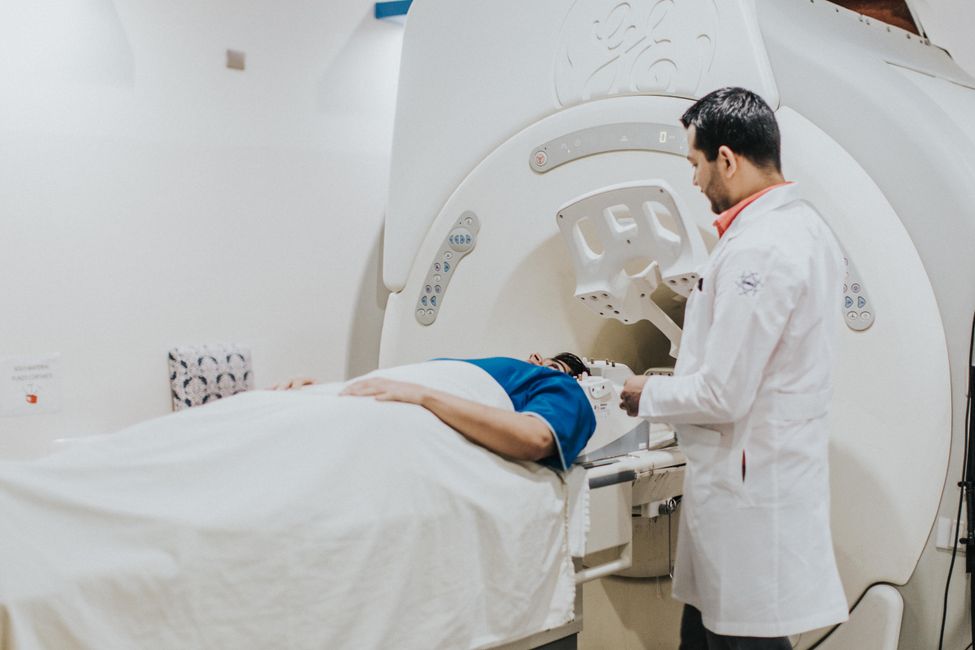
*Photo: Charlss GonzHu · Pexels*
Perhaps most troubling, the research suggested EPA might contribute to the buildup of certain proteins associated with cognitive decline. These are the kinds of proteins that, when they accumulate, are linked to long-term thinking and memory problems.
None of this means fish oil is universally harmful. The research focused on a specific context: brains trying to recover from repeated trauma. For people without head injuries, the picture may look entirely different. But it does complicate what has been a fairly simple public health message about omega-3s and brain health.
Why this matters beyond the lab
This kind of finding can feel unsettling, especially if you've been taking fish oil specifically for brain health or know someone who has after a concussion. It's a reminder that supplements, even widely trusted ones, interact with our bodies in complex ways that science is still working to understand.
For anyone recovering from head trauma, or supporting someone who is, this research suggests it's worth having a conversation with a healthcare provider about supplements. What helps in one situation may not help—or might even hinder—in another. The brain's needs during recovery are particular, and generic advice doesn't always apply.
The study also raises broader questions about how we think about brain health. We're drawn to simple solutions: take this, avoid that, and you'll be protected. But the brain is perhaps the most complicated organ we have, and its care often requires nuance rather than blanket recommendations.
What we still don't know
This is early research, and it opens more questions than it answers. We don't know yet whether other omega-3 fatty acids behave the same way, or whether the timing of supplementation matters. We don't know if certain doses are safer than others, or whether the findings apply to single head injuries versus repeated ones.
What we do know is that the relationship between nutrition and brain recovery is more intricate than we previously assumed. The same substance that might support brain function in one person could complicate healing in another, depending on what that brain has been through.

*Photo: Polina Tankilevitch · Pexels*
For now, the takeaway isn't to avoid fish oil entirely or to panic if you've been taking it. It's to approach brain health with curiosity and caution, to stay informed as research evolves, and to remember that individual circumstances matter enormously when it comes to what our bodies need.
This research, published through ScienceDaily, is part of a growing body of work that's refining our understanding of how to support the brain through injury and recovery. It's a reminder that good intentions—like taking a supplement we believe will help—aren't always enough. We need good information too, and the willingness to adjust our habits as that information changes.
For podcasters covering health and wellness, this story offers a chance to explore the gap between what we're told about supplements and what the science actually shows. For anyone navigating recovery or supporting brain health, it's an invitation to ask more questions and to remember that the best care is often personalised, not one-size-fits-all.
Based on reporting from sciencedaily.com.



Comments
Loading comments…