
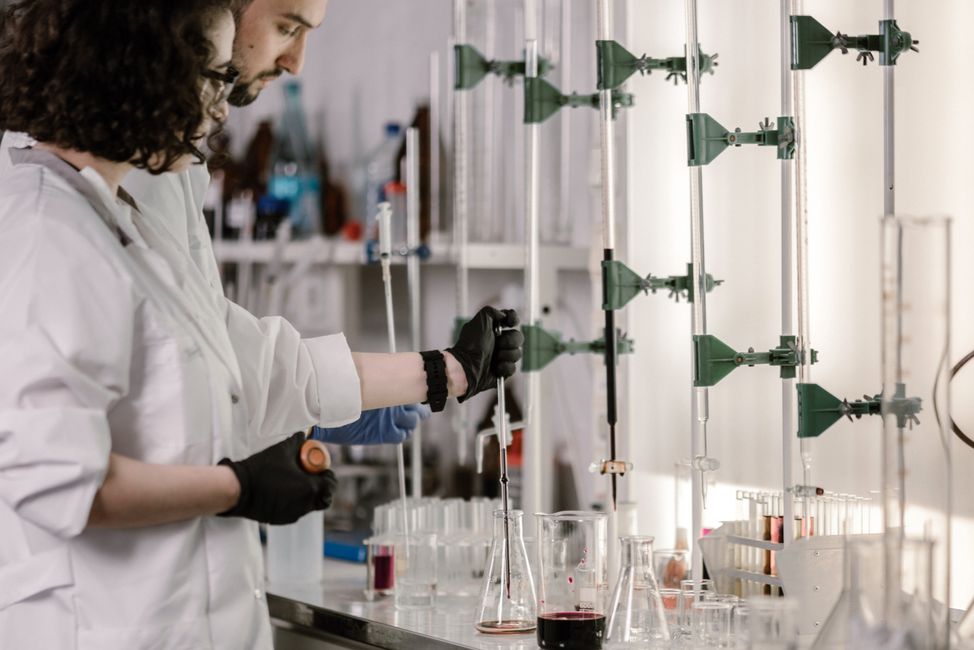
A team of researchers has identified a specific brain chemical that appears to act as a biological bridge between childhood trauma and depression later in life. The molecule, known as SGK1, was found at elevated levels in the brains of people who died by suicide and in individuals carrying genetic variants associated with early adversity. The findings, published recently, suggest a new pathway for understanding how difficult early experiences leave lasting marks on mental health.
The discovery matters because it offers a concrete biological explanation for something clinicians have long observed: that childhood trauma increases the risk of depression and suicidal thoughts in adulthood. Until now, the precise mechanisms linking these experiences to later mental health struggles have remained unclear. This research points to SGK1 as a key player in that chain of events.
What the research found
The study examined brain tissue from people who had died by suicide, comparing SGK1 levels to those found in people who died from other causes. The chemical was consistently higher in the suicide victims. Researchers also looked at genetic data and found that certain variations in genes related to SGK1 were more common in people who had experienced childhood adversity. Together, these findings suggest that SGK1 doesn't just correlate with depression and trauma, it may actually help translate early life stress into lasting changes in brain function.
What makes SGK1 particularly interesting is that it operates differently from the brain chemicals targeted by most current antidepressants. Standard treatments like SSRIs work primarily on serotonin, a neurotransmitter involved in mood regulation. But many people don't respond well to SSRIs, and scientists have been searching for alternative approaches that address depression through different biological pathways.
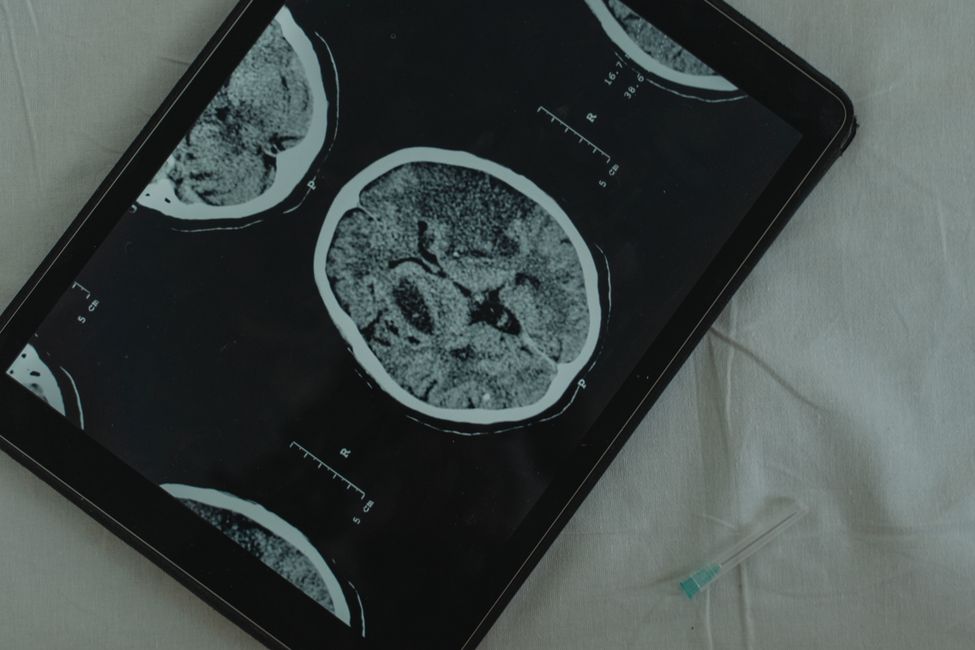
*Photo: Tima Miroshnichenko · Pexels*
A different approach to treatment
The researchers believe that drugs designed to block SGK1 could represent a new class of antidepressant medication. This would be especially valuable for people who haven't found relief with existing treatments. Rather than adjusting serotonin levels, these potential medications would target the specific molecular pathway that links early trauma to depression.
It's important to note that this research is still in relatively early stages. The findings identify SGK1 as a promising target, but actual medications that safely and effectively block this chemical in humans would need to go through years of development and testing. Still, the discovery provides a clear direction for future research and drug development efforts.
The work also helps validate what many people already know from their own lives: that early experiences shape us in profound and lasting ways. Having a biological explanation doesn't diminish the importance of therapy, social support, or other non-medical interventions. Instead, it adds another dimension to our understanding and potentially another tool in the treatment toolkit.
Why childhood experiences matter
This research arrives at a time when awareness of childhood trauma and its long-term effects has been growing. Adverse childhood experiences, whether they involve abuse, neglect, household dysfunction, or other forms of stress, are now recognised as significant public health concerns. Studies have consistently shown connections between early adversity and a range of health outcomes, both physical and mental.
What this new work adds is specificity. It moves beyond general associations to identify a particular molecule that may help explain how early stress gets under the skin, so to speak. For people who have experienced childhood trauma and later struggled with depression, understanding that there may be identifiable biological changes at work can be both validating and hopeful. It reinforces that depression isn't a personal failing or a matter of willpower, it has roots in brain chemistry that can potentially be addressed.

*Photo: Tanya Gorelova · Pexels*
The findings also underscore the importance of early intervention and prevention. If childhood adversity can trigger lasting changes in brain chemistry, then supporting children and families during difficult times isn't just about immediate wellbeing. It's also about potentially preventing mental health challenges that might emerge years or decades later.
For mental health podcasters and content creators, this research offers a concrete example of how science is working to understand the biological underpinnings of mental health conditions. It's a reminder that the field is evolving, that new approaches are being explored, and that today's treatment-resistant depression may not remain resistant forever.
The discovery of SGK1's role doesn't provide immediate answers for anyone struggling right now, but it does represent progress. It shows that researchers are looking beyond established pathways and asking new questions about how trauma, genes, and brain chemistry interact. That kind of curiosity and persistence is what eventually leads to better treatments and deeper understanding.
If this research pans out and leads to new medications, it would offer hope specifically for people who haven't responded to current antidepressants. That matters enormously, because effective treatment shouldn't be a matter of luck.
Based on reporting from sciencedaily.com.

Comments
Loading comments…