
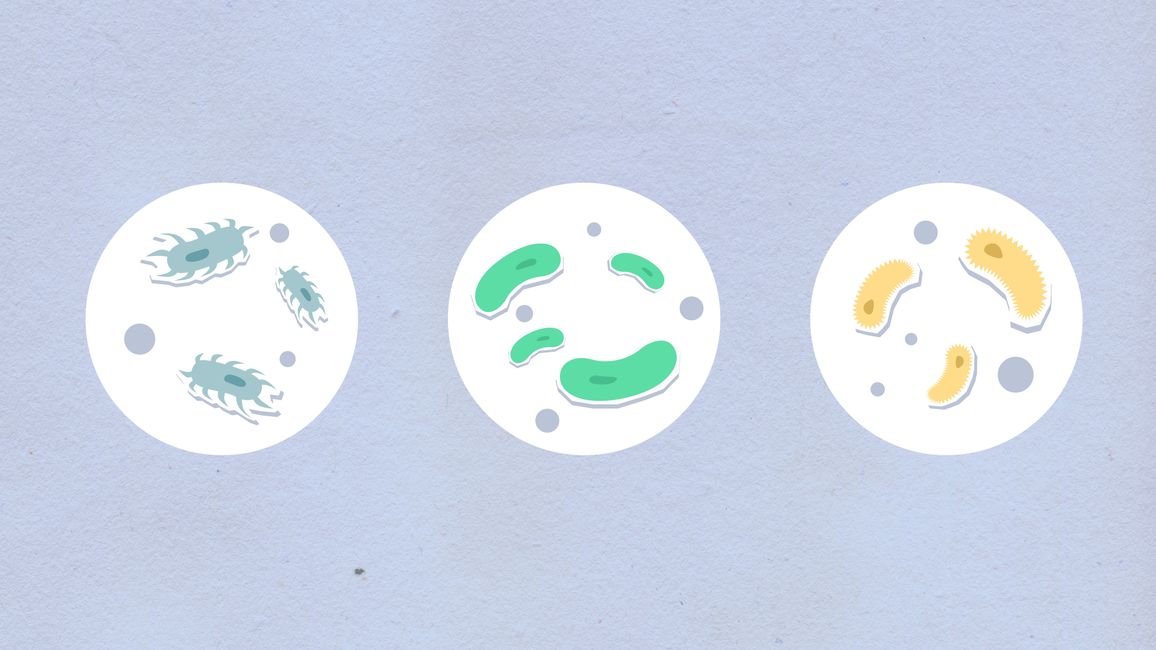
Mental health conditions touch the lives of one in four people at some point, yet the reasons they develop have long been difficult to pin down. A new study is shifting that understanding by showing a connection between the body's immune response and several major mental health conditions, including depression, schizophrenia, bipolar disorder, and Alzheimer's disease.
The research suggests that what happens in our minds may be influenced by processes happening throughout our entire body, not just in the brain. This finding challenges older models that viewed mental health conditions as purely neurological, and it could eventually lead to different ways of supporting people who live with these experiences.
Looking beyond the brain
For decades, research into mental health has focused heavily on the brain itself: neurotransmitters, neural pathways, and chemical imbalances. While that work has been valuable, it has left significant gaps in our understanding. Many people don't respond to existing treatments, and the underlying mechanisms of conditions like depression and schizophrenia remain poorly understood despite years of study.
This latest research takes a broader view. By examining the immune system's role, scientists are exploring how inflammation and immune responses throughout the body might contribute to mental health conditions. The immune system, which defends us against infection and injury, can sometimes become overactive or dysregulated. When that happens, it may affect the brain in ways that influence mood, thinking, and behaviour.

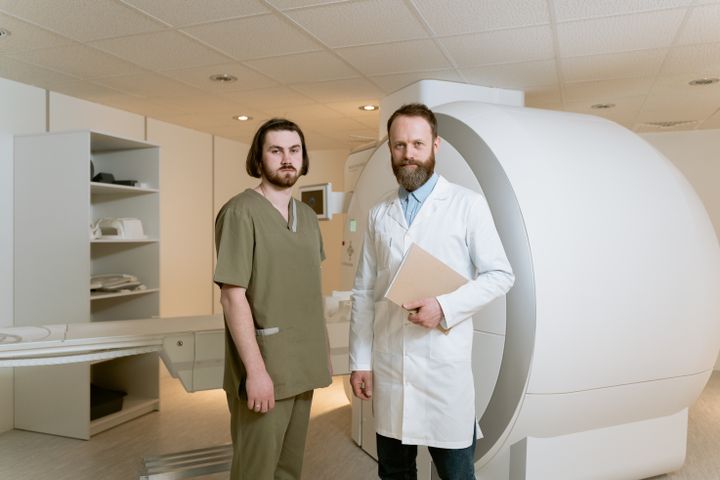
*Photo: MART PRODUCTION · Pexels*
The study looked at multiple conditions that affect millions of people worldwide. Depression alone is one of the most common mental health challenges, while schizophrenia and bipolar disorder can be particularly difficult to treat. Alzheimer's disease, though often thought of as a neurological condition, has also been linked to immune dysfunction in previous research. Finding a common thread connecting these conditions through immune response offers a fresh lens for understanding them.
What this means for treatment
The implications of this research extend beyond theory. If mental health conditions are partly driven by immune system activity, then treatments that address immune function could become part of the care toolkit. This doesn't mean abandoning existing approaches, but rather expanding the options available to people who need support.
Some researchers are already exploring anti-inflammatory medications and immune-modulating therapies as potential treatments for depression and other conditions. While this work is still in early stages, the new findings add weight to the idea that targeting the immune system could help some people who haven't found relief through traditional treatments.
It's also a reminder that mental and physical health are deeply intertwined. Chronic inflammation has already been linked to a range of physical health problems, from heart disease to diabetes. Now, it appears the same processes may play a role in mental wellbeing too. That connection underscores the importance of caring for the whole body, not just addressing symptoms in isolation.

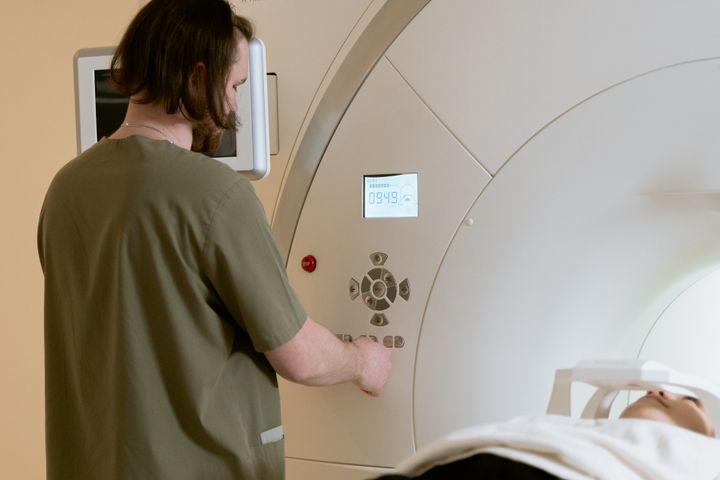
*Photo: Tima Miroshnichenko · Pexels*
A more complete picture
What makes this research particularly significant is its potential to change how we think about mental health itself. For too long, mental health conditions have been seen as separate from the rest of medicine, treated in isolation from physical health. This study reinforces the idea that the distinction between mental and physical health is artificial. Our bodies and minds operate as one system, and understanding that system in its entirety is essential for effective care.
The findings also offer hope for better treatments in the future. Mental health conditions affect hundreds of millions of people globally, and many struggle to find approaches that work for them. By uncovering new mechanisms, research like this opens doors to therapies that might reach people who have been left behind by existing options.
Of course, this is just one study, and much more work is needed to translate these findings into practical treatments. Science moves slowly, and the path from discovery to clinical application can take years. But each step forward matters, especially for conditions that have proven so difficult to understand and treat.
Why it matters
For anyone living with depression, bipolar disorder, schizophrenia, or supporting someone who is, this research offers a reminder that science is still learning. The fact that we don't yet fully understand these conditions doesn't mean we won't. Every new insight brings us closer to more effective, personalised care.
For those of us thinking about mental health more broadly, the study is a prompt to consider wellbeing in its fullest sense. What we eat, how we move, how we manage stress, and how we care for our physical health may all play a role in mental health too. That's not about blame or personal responsibility for illness, but about recognising the complex, interconnected nature of human health.
The research was reported by ScienceDaily, and it marks another step in the long journey toward understanding mental health. For the millions of people affected by these conditions, that journey continues to matter deeply. If you or someone you care about is struggling, support is available.
Based on reporting from sciencedaily.com.

Comments
Loading comments…