
For the millions of people who lie awake at night, staring at the ceiling and counting the hours until dawn, relief might not come from a prescription bottle. A large new analysis suggests that movement practices like tai chi, yoga, and even a simple jog around the block can be just as effective as medication for tackling insomnia and improving sleep quality.
The findings, which compared a wide range of treatments, offer something many people have been searching for: a natural way back to restful sleep that doesn't rely on pills or complex interventions. While cognitive behavioural therapy has long been considered the gold standard for treating chronic sleep problems, this research shows that certain types of exercise can deliver results that are equally meaningful, and in some cases, remarkably powerful.
What the Research Found
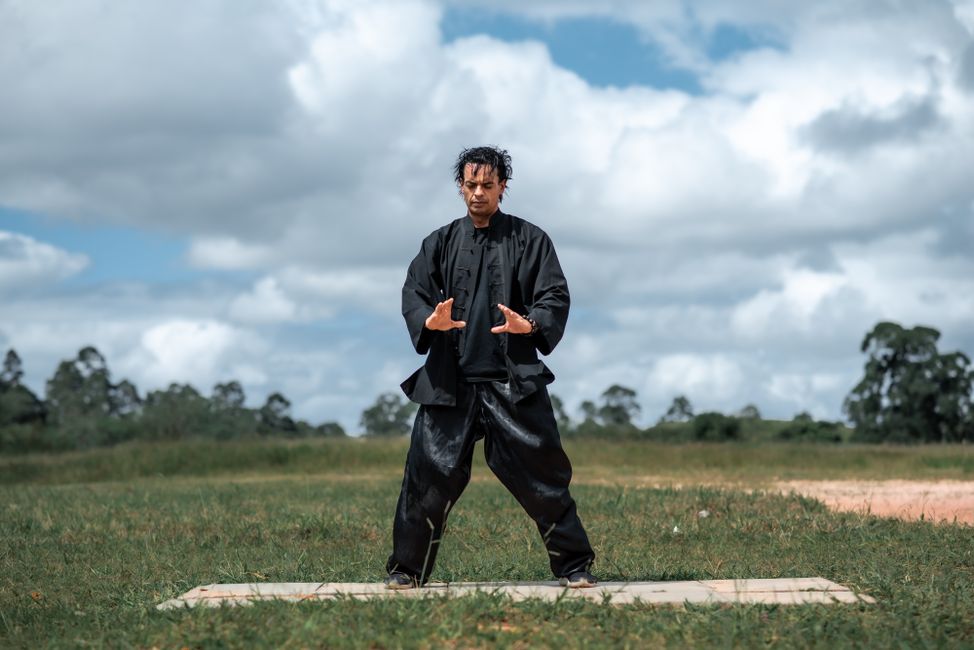
The analysis examined how different approaches stack up when it comes to improving sleep. Among the exercise-based treatments studied, tai chi emerged as particularly effective. This gentle martial art, characterised by slow, flowing movements and deep breathing, showed significant benefits across multiple measures of sleep quality. People who practiced tai chi saw improvements in their total sleep time, how efficiently they slept through the night, and how long they stayed awake after initially falling asleep.
Yoga also stood out, though in a different way. While tai chi excelled at extending sleep duration and reducing nighttime wakefulness, yoga was especially effective at boosting overall restfulness. That quality of feeling truly rested when you wake up, rather than simply having been unconscious for a certain number of hours, is something many insomnia sufferers desperately miss.

*Photo: Miriam Alonso · Pexels*
Jogging and walking, meanwhile, proved helpful for easing the symptoms of insomnia itself. These more vigorous forms of movement appear to work on the body and mind in ways that make it easier to fall asleep and stay asleep, even if the mechanisms aren't fully understood yet.
The comparison to cognitive behavioural therapy is worth noting. CBT for insomnia, which involves changing sleep habits and addressing the anxious thoughts that keep people awake, has decades of research backing it up. The fact that certain movement practices can rival its effectiveness suggests we may have been overlooking some of our most accessible tools for better sleep.
Why Movement Helps Us Sleep
There's something intuitive about the connection between physical activity and sleep. Our ancestors moved their bodies throughout the day and slept when darkness fell. Modern life, with its long hours sitting at desks and screens glowing late into the night, has disrupted that natural rhythm in profound ways.
Exercise helps restore some of that balance. Physical activity regulates stress hormones, tires out the body in a healthy way, and can shift our mental state away from the spinning thoughts that so often accompany insomnia. Practices like tai chi and yoga add another layer, incorporating breathwork and mindfulness that calm the nervous system directly.
What makes these findings particularly meaningful is their accessibility. Not everyone has access to a therapist trained in CBT for insomnia, and not everyone wants to take sleep medication with its potential side effects and dependency risks. But most people can find a way to move their body, whether that's following a yoga video at home, joining a tai chi class at a community centre, or lacing up trainers for an evening jog.

*Photo: Ketut Subiyanto · Pexels*
A Gentler Path Forward
For anyone who has struggled with insomnia, the desperation is real. Sleep deprivation affects every part of life, from mood and concentration to physical health and relationships. The pressure to fix it can become overwhelming, which ironically makes sleep even more elusive.
What this research offers is permission to try something different, something that might feel less clinical and more human. Instead of lying in bed worrying about sleep, you might spend twenty minutes moving through tai chi forms in your living room. Instead of reaching for a pill bottle, you might unroll a yoga mat or step outside for a walk as the evening settles in.
None of this is to suggest that medication or therapy don't have their place. For some people, they're necessary and life-changing. But for others, or as a complement to other treatments, movement offers a path that feels more sustainable and more connected to how we're meant to live.
The beauty of these practices is that they offer benefits beyond sleep. Regular movement supports mental health, reduces anxiety, builds strength and flexibility, and connects us to our bodies in ways that feel grounding. Better sleep becomes one gift among many.
For anyone lying awake tonight, wondering if things will ever change, this research carries a simple message: sometimes the answer isn't found in doing less or trying harder to relax, but in moving your body in ways that feel good and letting rest follow naturally.
Based on reporting from sciencedaily.com.

Comments
Loading comments…