
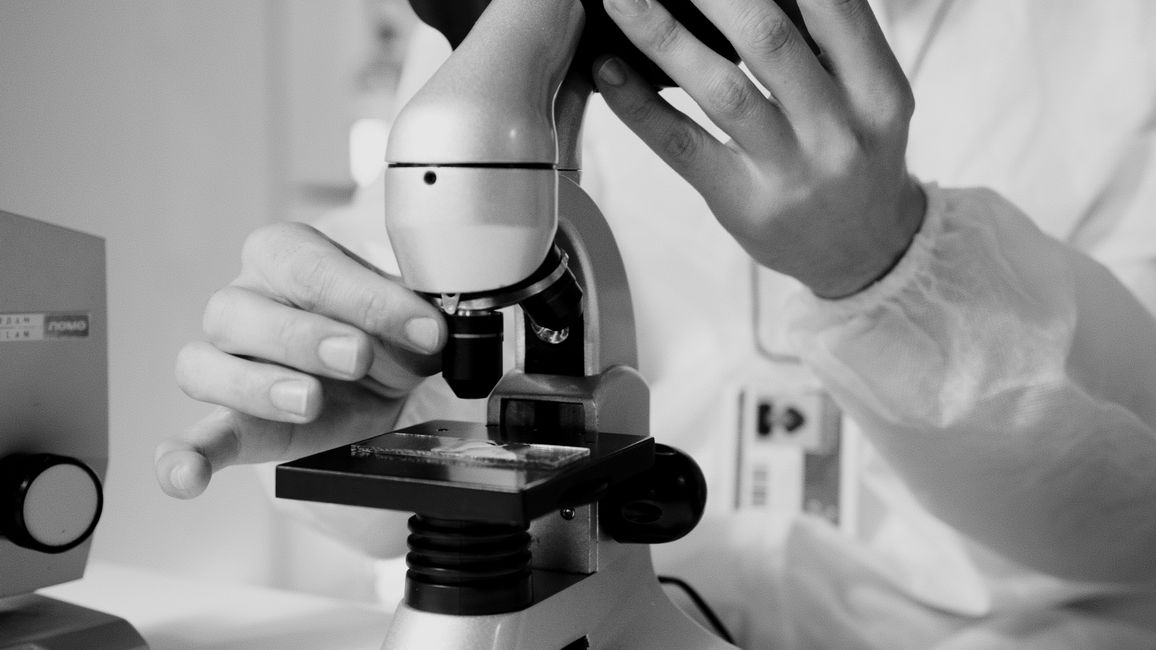
Scientists have taken a significant step toward understanding schizophrenia and bipolar disorder by observing how these conditions alter brain activity at the cellular level. Using miniature lab-grown brain models, researchers have identified distinct electrical firing patterns that appear to distinguish these mental health conditions with remarkable accuracy.
The work represents a shift in how we might approach diagnosis and treatment. Rather than relying solely on symptoms and trial periods with different medications, this research points toward a future where doctors could observe how a person's own brain cells respond to treatments before prescribing them.
How Mini Brains Work
These tiny brain models, grown from human cells in laboratory settings, mimic some of the basic structures and functions of actual human brains. They are not thinking or conscious, but they do fire electrical signals in ways that reflect real neural activity. By creating these models from cells of people living with schizophrenia or bipolar disorder, researchers can study the conditions in ways that were not possible before.
The electrical patterns the team observed were not random. Each condition showed its own signature, a specific way that neurons communicated or failed to communicate. This finding matters because schizophrenia and bipolar disorder can sometimes appear similar in their early stages, making accurate diagnosis difficult. The ability to detect clear differences at the neural level could help clinicians identify which condition someone is experiencing.
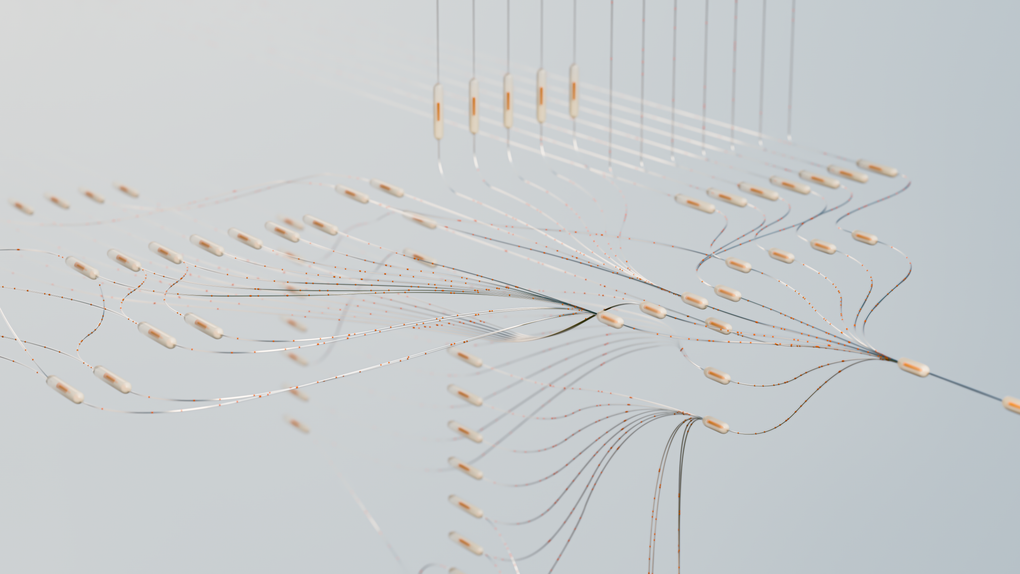
*Photo: Google DeepMind · Pexels*
Toward Personalized Treatment
One of the most challenging aspects of treating mental health conditions is that medications work differently for different people. What helps one person may do little for another, or may cause side effects that make daily life harder. The current approach often involves trying one medication, waiting weeks to see if it helps, and then adjusting or switching if it does not.
This research opens the possibility of testing medications on a patient's own mini brain model before the patient ever takes the drug. Doctors could observe which treatments restore healthier electrical patterns in the lab-grown cells, giving them a clearer sense of what might work in the person's actual brain. It is a form of personalized medicine that could reduce the guesswork and shorten the difficult waiting periods that many people endure.
The accuracy with which these models identified the conditions suggests that the electrical signatures are strong and consistent enough to be clinically useful. While the research is still in earlier stages, the potential to move from symptom-based diagnosis to biology-based diagnosis is meaningful.
What This Means for Real People
For anyone who has lived through the uncertainty of a mental health diagnosis, or watched someone they love cycle through medications in search of relief, this kind of research carries quiet hope. It does not promise instant solutions, but it does suggest that the tools for understanding these conditions are becoming more precise.

*Photo: Ron Lach · Pexels*
Schizophrenia and bipolar disorder affect millions of people worldwide, and both can be deeply disruptive to daily life, relationships, and wellbeing. The path to stability often involves years of adjustment, setbacks, and resilience. Research like this acknowledges that complexity and works toward making the process less grueling.
There is also something profound about being able to see these conditions at the cellular level. For too long, mental health struggles have been invisible in ways that physical illnesses are not. Being able to observe clear, measurable differences in how brain cells behave brings a kind of validation. It confirms what people living with these conditions already know: this is real, it is biological, and it deserves the same rigorous scientific attention as any other health challenge.
The researchers behind this work are careful not to overstate their findings. Translating lab results into clinical practice takes time, funding, and many more studies. But the direction is clear. We are moving toward a future where mental health treatment is less about educated guessing and more about targeted, individualized care.
For those of us in the mental wellness space, whether through podcasting, writing, or simply holding space for honest conversations, this research reminds us why scientific progress matters. It is not separate from the human stories we share. It is part of the same effort to reduce suffering and help people live fuller lives.
The work also underscores the importance of continued investment in mental health research. Breakthroughs like this do not happen by accident. They require resources, collaboration, and a commitment to treating mental health with the seriousness it deserves.
As we learn more about the biology of these conditions, we also learn more about resilience, about the brain's complexity, and about the many paths toward healing. This research will not change things overnight, but it is a step in a direction that many have been hoping for.
Based on reporting from sciencedaily.com.

Comments
Loading comments…