
Scientists have long believed that learning to speak relies heavily on the parts of the brain that control our lips, tongue and jaw. But a new study is challenging that assumption, revealing that speech learning may actually depend more on how our brain processes the sounds we hear and the sensations we feel.
The finding could change how speech therapy works and might eventually improve technologies that help people communicate through brain signals. More broadly, it offers a window into how flexible and surprising our brains really are.
What the research found
The study suggests that when we learn and remember speech, the brain leans more on sensory processing than on motor control. In other words, the regions that handle incoming information, like hearing yourself talk or feeling the vibrations in your throat, seem to play a bigger role than the areas that actually move your mouth and face.
This goes against the traditional view that speech is primarily a motor skill, like learning to ride a bike or play an instrument. Instead, the research points to speech as something more sensory and responsive, a process where the brain listens and adjusts based on feedback.
The researchers did not provide specific details about how many participants were involved or the exact methods used, but the implications are clear enough to spark interest across neuroscience and clinical fields.

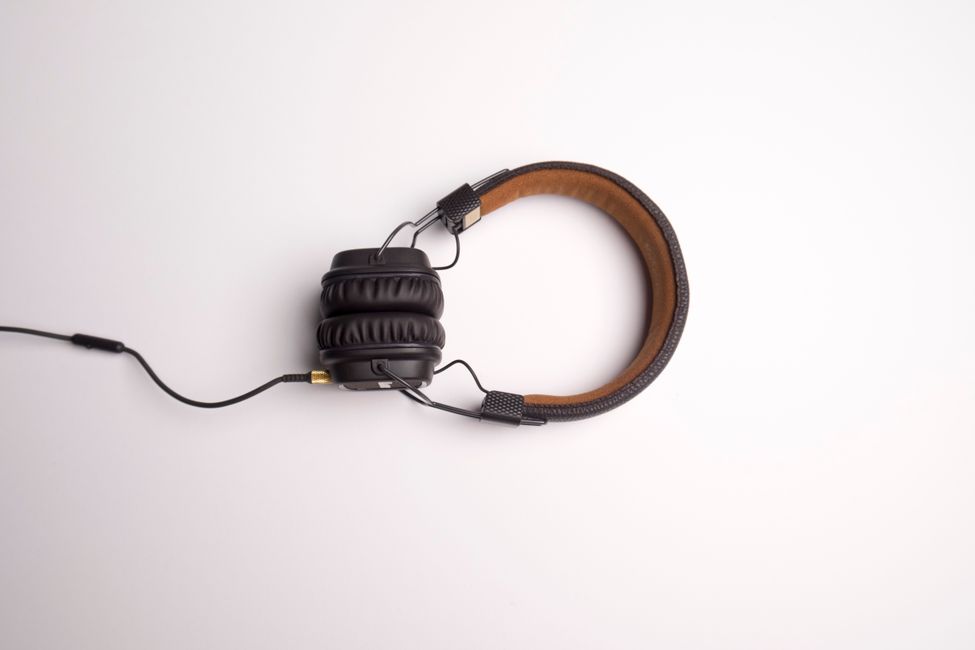
*Photo: Mikhail Nilov · Pexels*
Why this matters for therapy and technology
If speech learning is more about sensing than moving, it could reshape how therapists help people recover from strokes, brain injuries or developmental speech challenges. Current approaches often focus on practicing mouth movements and muscle control. But this research hints that boosting sensory feedback, helping someone hear and feel their own voice more clearly, might be just as important or even more effective.
The discovery also has potential for brain-computer interfaces, devices that allow people to communicate by translating brain signals into speech or text. Engineers designing these systems have typically focused on reading signals from motor areas of the brain. But if sensory processing plays the lead role in speech, future devices might need to tap into different brain regions entirely. That could make the technology more accurate and easier to use for people who have lost the ability to speak.
A reminder of how much we're still learning
It is humbling to realise how much about the brain remains a mystery, even for something as fundamental as talking. We use speech every day without thinking, yet the mechanics underneath are far more intricate and unexpected than most of us imagine.
This study does not offer a complete picture. There are still questions about how sensory and motor systems work together, and whether the balance shifts depending on age, language or individual differences. But it opens a door, and that is often how progress happens, one surprise at a time.
For those of us interested in mental wellness, this kind of research is a quiet reminder that our brains are not fixed machines. They adapt, rewire and respond in ways we are only beginning to understand. That adaptability, that capacity to learn and change, is at the heart of resilience.
What it means for us
This discovery matters because it shows how deeply connected our senses are to the way we express ourselves. Speech is not just about moving your mouth. It is about listening, feeling and adjusting in real time. That interconnectedness is something podcasters know well, the importance of hearing your own voice, of tuning in to how words land and resonate.
And for anyone working through communication challenges, whether from injury, anxiety or something else, this research offers a fresh angle. It suggests that healing and learning might come not just from practice, but from deepening the connection between what we say and what we hear. That is a hopeful thought, and one worth paying attention to.
Based on reporting from sciencedaily.com.

Comments
Loading comments…