
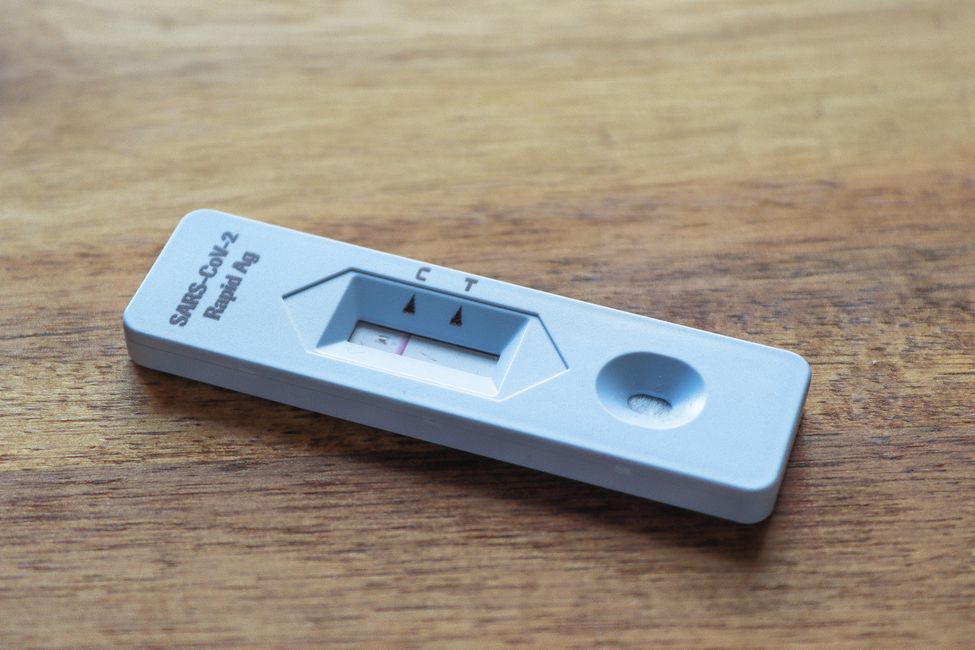
A team of engineers has developed a lab-on-a-chip device that could bring mental health diagnosis closer to home. The new point-of-care test measures cortisol levels in saliva, offering doctors another tool when assessing depression and anxiety.
The technology represents a shift in how we might approach mental health screening. Rather than relying solely on questionnaires and clinical interviews, this device provides a biological marker that people could access without visiting a hospital laboratory.
Why cortisol matters for mental health
Cortisol is often called the stress hormone, produced by our bodies in response to pressure and perceived threats. While cortisol itself is not the cause of depression or anxiety, abnormal patterns in how our bodies produce and regulate this hormone have been linked to these conditions.
Traditional cortisol testing typically requires blood samples taken in clinical settings, which can be uncomfortable and inconvenient. The process also adds stress to an already stressful situation for someone seeking help for their mental wellbeing. Saliva testing offers a gentler alternative that people could potentially use in more comfortable environments.
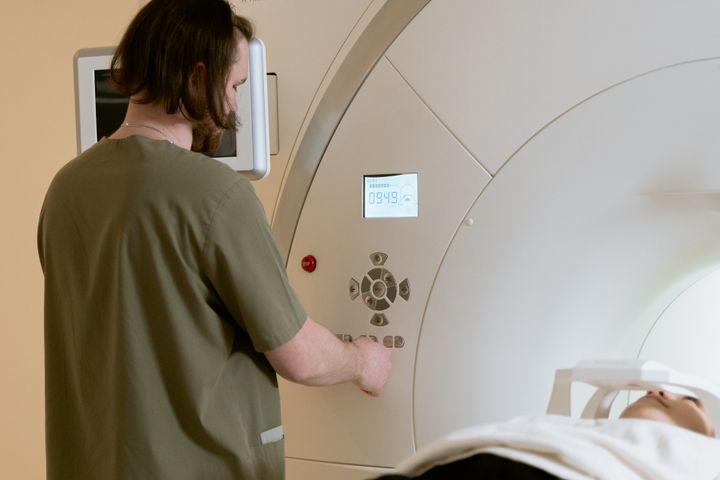
The engineers behind this development focused on creating something practical for everyday healthcare settings. Point-of-care testing means results can be available quickly, without samples being sent away to distant laboratories. This matters particularly in mental health, where waiting weeks for test results can delay someone getting the support they need.
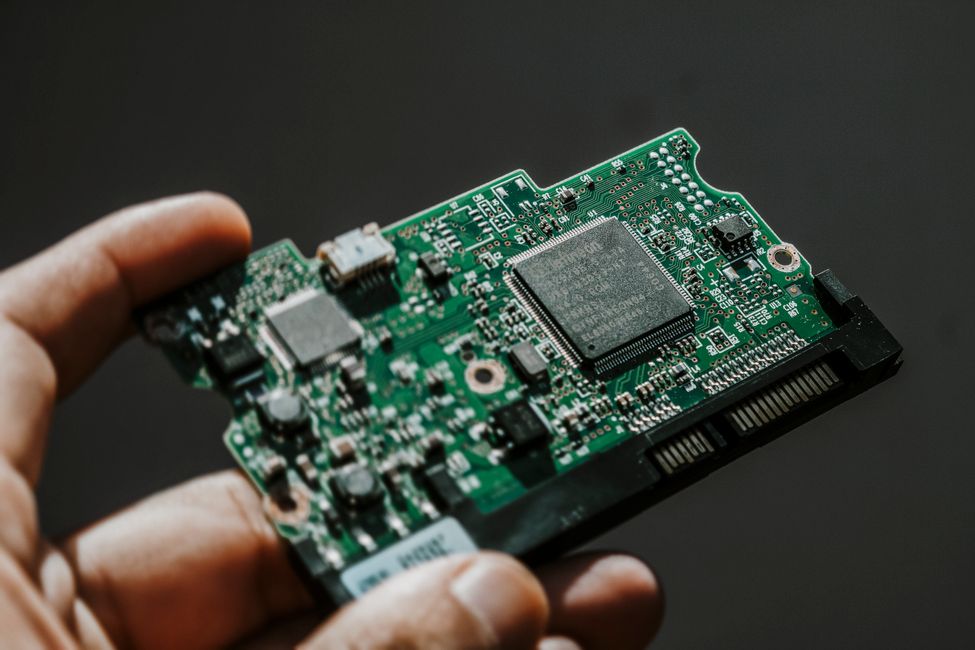
*Photo: Arturo Añez. · Pexels*
A tool, not a replacement
It is worth being clear about what this technology does and does not do. The device measures cortisol levels, which can provide useful biological information. But mental health conditions like depression and anxiety are complex, influenced by genetics, life experiences, relationships, trauma, sleep, physical health and countless other factors.
No single test can diagnose depression or anxiety on its own. What this device offers is additional information that doctors can consider alongside everything else they know about a person. It might help confirm suspicions, track changes over time, or rule out certain hormonal imbalances that can mimic mental health symptoms.
The real value may lie in accessibility. If such tests become available in GP surgeries, community health centres or even at home, more people might feel able to take that first step of seeking help. Removing barriers matters enormously in mental health, where stigma and practical obstacles often prevent people from reaching out.
The bigger picture of home health technology
This cortisol-measuring device fits into a broader trend of bringing medical testing out of hospitals and into ordinary life. We already have home pregnancy tests, blood sugar monitors for diabetes, and increasingly sophisticated fitness trackers. Mental health has lagged behind in this shift, partly because the conditions are harder to measure with simple biological markers.
The development of accessible testing technology could change conversations between patients and healthcare providers. Instead of describing how you have been feeling in vague terms, you might arrive with data showing your stress hormone patterns over several weeks. This does not replace the human conversation, but it might make it richer and more specific.
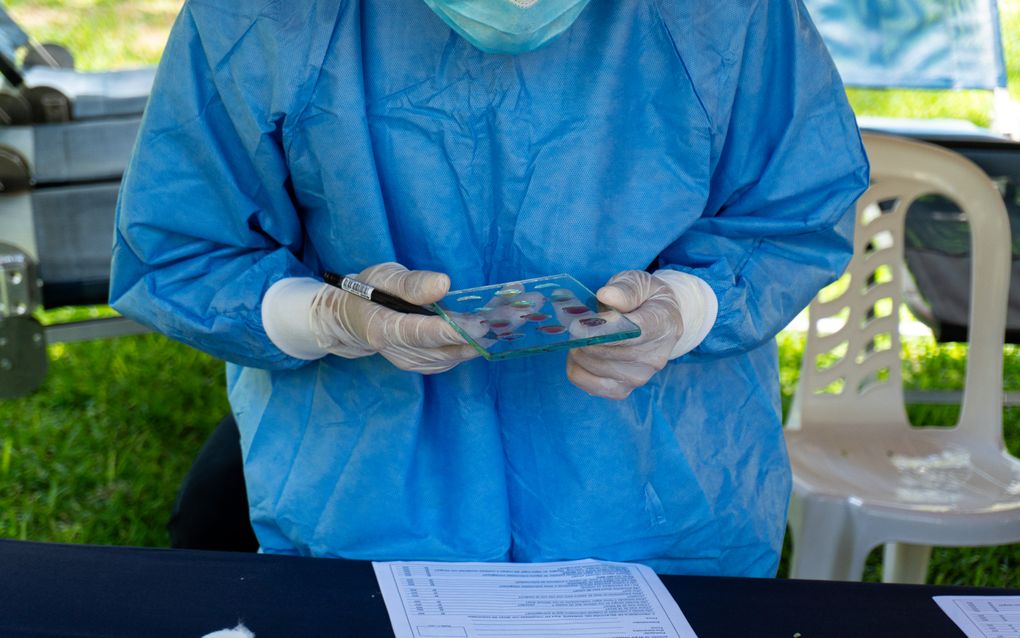
*Photo: Manuel Camacho-Navarro · Pexels*
There are questions still to answer. How accurate are these measurements compared to laboratory analysis? How much do cortisol levels vary from day to day in the same person? Could people misinterpret their results without proper guidance? And importantly, will this technology be affordable and available to everyone who might benefit, or only to those with resources?
The engineers have created the device, but its real-world impact depends on how it is implemented, who has access to it, and how it fits into the wider system of mental health support.
What this means for mental wellness
For those of us interested in mental wellbeing, this development is a reminder that help is becoming more varied and potentially more accessible. The landscape of mental health support is expanding beyond the traditional therapy room, incorporating technology, biological science and new ways of understanding our minds and bodies.
At the same time, we should hold lightly the idea that technology alone solves complex human struggles. A cortisol test might help identify a problem, but healing still requires connection, support, sometimes therapy or medication, and often just time and gentle persistence.
The most hopeful aspect of this research is not the device itself, but what it represents: ongoing efforts to make mental health support more available, less intimidating and more responsive to individual needs. Every barrier removed is progress.
Based on reporting from sciencedaily.com.

Comments
Loading comments…