

A simple hair sample might one day help spot mental health risks in children before symptoms become severe, according to new findings from researchers at the University of Waterloo.
The study focused on children living with chronic physical illnesses, a group known to face higher rates of anxiety and depression. By measuring cortisol, the body's primary stress hormone, in hair samples, researchers found they could identify which children were most likely to develop emotional and behavioral difficulties over time.
The approach offers something traditional methods cannot: a biological marker that captures stress exposure over weeks or months, rather than a snapshot of a single moment.
Following stress over time
Hair grows slowly, about a centimetre each month, and carries a chemical record of what the body has experienced. Cortisol gets incorporated into the hair shaft as it forms, creating a timeline of stress that researchers can read by analysing different segments.
In this study, children with persistently high cortisol levels measured in their hair were significantly more likely to struggle with anxiety, depression, and behavioral challenges. Meanwhile, those whose cortisol levels declined over the study period showed fewer mental health problems.
The distinction matters because stress is not a single experience. Some children face ongoing pressures from managing medical appointments, symptoms, medications, and the social impacts of being different from their peers. Others may experience acute stress that eases as they adapt or as treatment progresses.

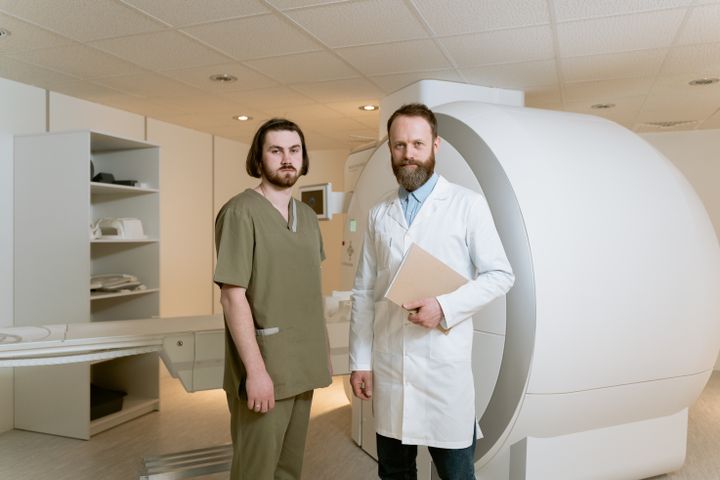
*Photo: Mikhail Nilov · Pexels*
Understanding which pattern a child is experiencing could help parents, doctors, and therapists intervene earlier and more effectively.
Why chronic illness raises the stakes
Children living with conditions like diabetes, asthma, or autoimmune disorders carry burdens their healthy peers do not. There are physical symptoms to manage, routines that set them apart, and sometimes fears about the future that are hard to name.
Research has long shown these children face elevated mental health risks, but identifying who needs support has been challenging. Current methods rely heavily on questionnaires, parent reports, and clinical observation. These tools are valuable but subjective, and they often catch problems only after they have taken root.
A biological measure like hair cortisol does not replace conversation or clinical judgment, but it adds another layer of information. It is objective, non-invasive, and captures something that surveys cannot: the body's own response to sustained pressure.
The Waterloo researchers suggest this type of measurement could become part of routine care for children with chronic conditions, helping care teams spot warning signs and tailor support before a child reaches crisis.
What this means for families and care
The findings open questions about how we think about stress in childhood. Not all stress is harmful. Short bursts can build resilience and teach coping. But prolonged activation of the stress response, the kind that keeps cortisol elevated month after month, can interfere with development, learning, and emotional regulation.
For families navigating chronic illness, the research offers a reminder that physical and mental health are deeply intertwined. Managing symptoms is essential, but so is attending to the emotional weight a child carries.

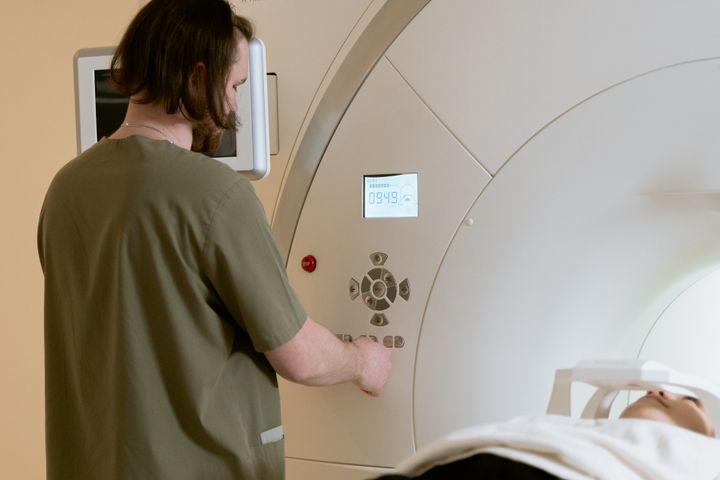
*Photo: Anna Shvets · Pexels*
It also points toward a future where mental health care might become more preventive. If a hair test suggests a child is under sustained stress, families and clinicians could explore what is happening in that child's life. Are they struggling at school? Feeling isolated? Overwhelmed by their treatment routine? Early conversations could lead to adjustments in care, additional support, or simply the reassurance that someone is paying attention.
The research does not suggest hair cortisol testing is ready for widespread use yet. More work is needed to understand normal ranges, account for individual differences, and determine how best to interpret results. But the principle is compelling: listen to what the body is saying, and respond before struggles become entrenched.
Why it matters
For those of us interested in mental wellness, this research highlights how much we still have to learn about the biology of stress and the importance of catching problems early. It also underscores a truth that often gets overlooked in conversations about mental health: children living with chronic physical conditions deserve just as much attention to their emotional wellbeing as to their medical symptoms.
Podcasters and wellness advocates often talk about the mind-body connection. This study offers concrete evidence of it, showing that what we experience emotionally leaves measurable traces in our biology, and that those traces can guide us toward better care.
If nothing else, it is a reminder to check in, to ask how a child is really doing, and to remember that managing illness is about more than managing symptoms.
Based on reporting from sciencedaily.com.

Comments
Loading comments…