
Depression has long been understood as a disorder of the brain, something to do with serotonin, dopamine, and other chemical messengers that shape our moods. Most treatments reflect that understanding, targeting those neurotransmitters directly. But a small new study is exploring a different path entirely, one that looks beyond the brain to the immune system.
Researchers tested whether an anti-inflammatory drug, the kind typically prescribed for rheumatoid arthritis, might help people whose depression has been difficult to treat. The early results suggest it might. Participants in the trial reported not only a lifting of depressive symptoms, but also less fatigue and anxiety, along with improvements in overall quality of life.
The findings are preliminary, drawn from a small group, but they add weight to a growing body of research connecting inflammation and mental health in ways we're only beginning to understand.
A shift in how we see depression
For decades, the dominant model for treating depression has centered on brain chemistry. Antidepressants like SSRIs work by adjusting levels of serotonin, and while they help many people, they don't help everyone. A significant number of people with depression don't respond fully to these medications, or don't respond at all.
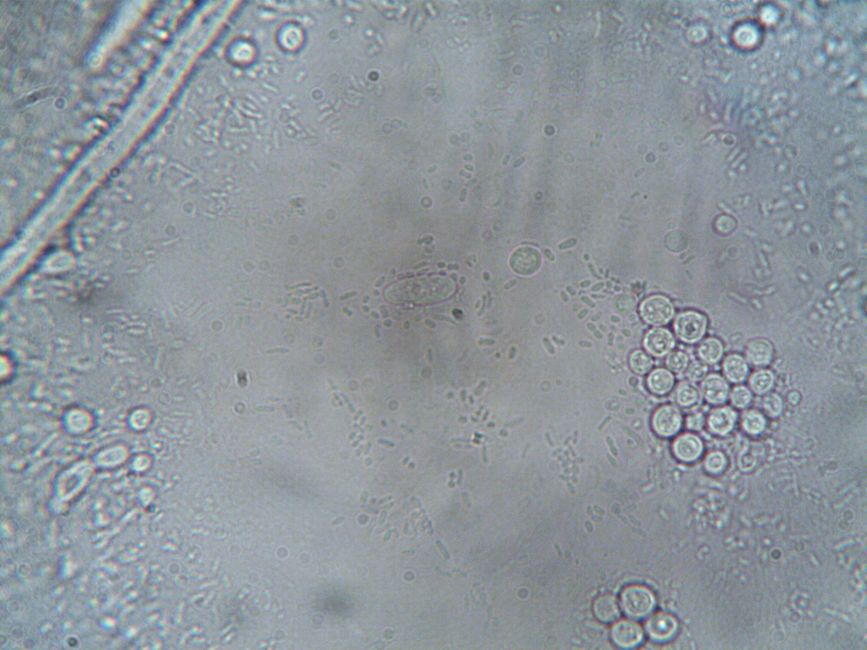
That gap has pushed researchers to look elsewhere. One emerging area of interest is inflammation, the body's natural response to injury or infection. In recent years, scientists have noticed that people with depression often show signs of chronic low-level inflammation, even when there's no obvious physical illness. It's not yet clear whether inflammation contributes to depression, whether depression triggers inflammation, or whether both are driven by some third factor. But the pattern is consistent enough to be worth investigating.

*Photo: roberto carrafa · Pexels*
The new trial tested this idea directly. Instead of giving participants another brain-focused medication, researchers used a drug designed to dampen immune activity. The medication is already approved and widely used for autoimmune conditions, where the immune system mistakenly attacks the body's own tissues. The question was whether calming that same system might also ease the mental and emotional burden of depression.
What the trial found
The study was small, which means the results need to be interpreted carefully. But within that limited scope, the findings were encouraging. People taking the anti-inflammatory drug reported a reduction in depressive symptoms compared to where they started. Just as notably, they also experienced less fatigue, a symptom that often accompanies depression and can be just as disabling as low mood itself.
Anxiety levels dropped as well, and participants reported feeling better in their day-to-day lives. These aren't just clinical measures. They reflect real shifts in how people felt moving through the world, whether they had energy for small tasks, whether worry felt a little less overwhelming, whether life felt a bit more manageable.
It's worth noting that this approach was tested in people with hard-to-treat depression, those who hadn't found relief through standard treatments. That makes the results all the more striking. For someone who has tried multiple medications without success, a new avenue, even an uncertain one, can feel like hope.

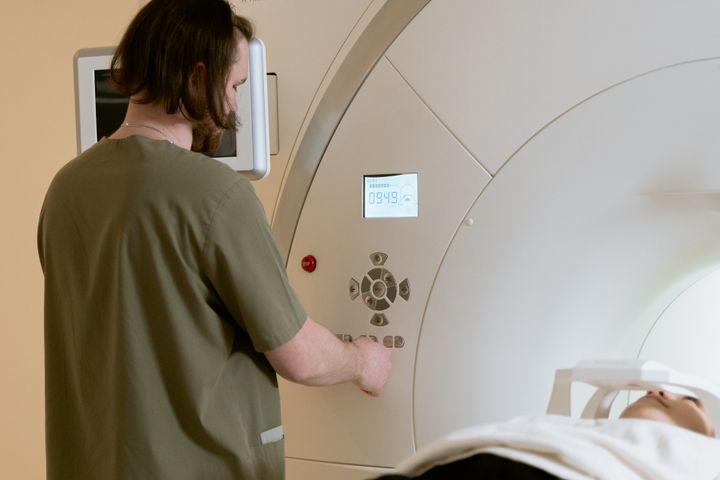
*Photo: Alexis B · Pexels*
Why this matters
This research doesn't mean we're about to replace antidepressants with anti-inflammatory drugs. The study was too small, and much more work is needed to understand who might benefit, how much, and under what conditions. But it does suggest that our understanding of depression may need to expand.
If inflammation plays a role in some forms of depression, that opens new possibilities. It might explain why some people don't respond to traditional antidepressants. It might point toward combination therapies that address both brain chemistry and immune activity. It might even highlight the importance of lifestyle factors like diet, sleep, and exercise, all of which influence inflammation.
For now, the takeaway isn't a new treatment protocol. It's a reminder that the body and mind are not separate systems. What happens in one reverberates in the other. Stress affects the immune system. Inflammation affects mood. The boundaries we draw for convenience don't reflect the messiness of how we actually work.
For anyone navigating depression, especially depression that hasn't responded to treatment, this kind of research can feel validating. It suggests that the struggle isn't a personal failing or a lack of effort. It's a complex condition that we're still learning to understand, and new approaches are being explored all the time.
The road from a small trial to a widely available treatment is long and uncertain. But each step matters, each new angle of inquiry adds to the picture. This study is one more piece of that puzzle, a signal that we're looking in new directions and asking better questions.
Based on reporting from sciencedaily.com.


Comments
Loading comments…