
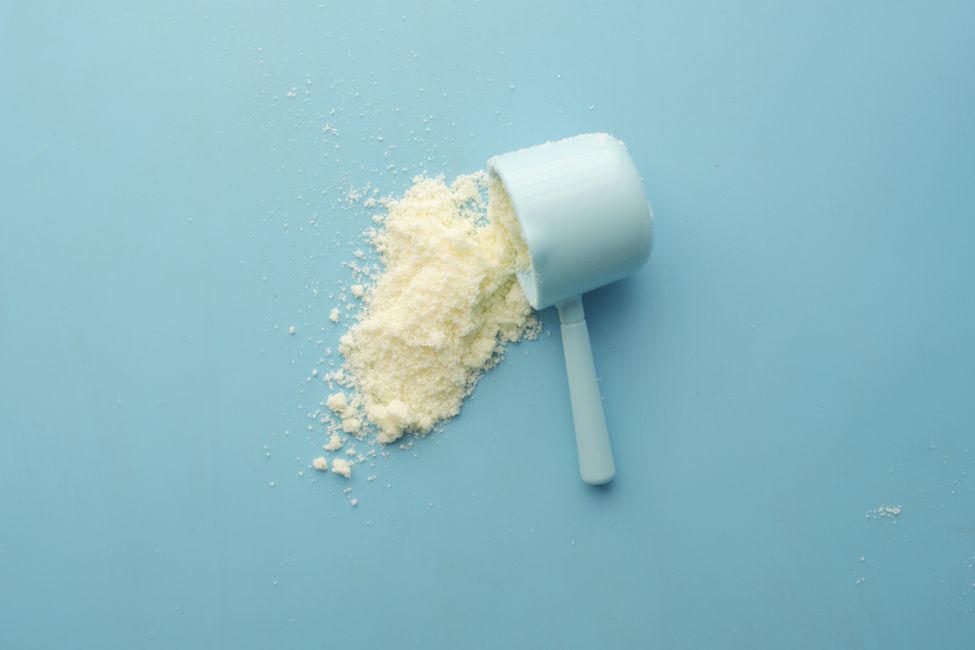
Creatine is familiar to anyone who's spent time around a gym. The white powder, usually mixed into post-workout shakes, has been used for decades to help athletes build muscle and improve performance. Now, researchers are asking whether this common supplement might have a second life in mental health care.
A new review has examined whether creatine could help treat depression by giving the brain an energy boost. The findings, published recently, looked at five randomized clinical trials involving 238 participants in total. The results were mixed, but they suggest there may be something worth exploring further, particularly for women experiencing major depression.
What the research found
The review analysed trials where people with depression either added creatine to their existing treatment or took a placebo alongside their usual care. Two of the studies, both focusing on women with major depressive disorder, reported improvements when creatine was added to standard treatment. The other three trials found no meaningful benefit.
This kind of split result is common in early-stage research. It doesn't mean the idea is wrong, but it does mean we're far from having clear answers. The total number of participants across all five studies was relatively small, and the trials varied in how they were designed and who they included.
What makes creatine interesting to researchers is the way it works in the body. Creatine helps cells produce and store energy, which is crucial for muscles during intense exercise. But the brain also uses enormous amounts of energy, and some scientists believe that depression might be linked, at least in part, to the brain not getting or using energy efficiently. If that's true, creatine could theoretically help by supporting the brain's energy systems.

*Photo: Markus Winkler · Pexels*
Why this matters, and why caution is needed
Depression is one of the most common mental health conditions worldwide, and while existing treatments help many people, they don't work for everyone. Some people don't respond well to antidepressants, or they experience side effects that make the medications hard to tolerate. Others may respond partially but still struggle with lingering symptoms. That's why researchers are always looking for new approaches, or for ways to make existing treatments work better.
The idea that a widely available, relatively affordable supplement could support depression treatment is appealing. Creatine is already well-studied for physical performance, and it's generally considered safe for most people when used appropriately. But the keyword here is "could." The current evidence is preliminary, and mixed results mean we can't yet say with confidence that creatine helps with depression.
It's also worth noting that the positive results came specifically from studies involving women with major depressive disorder. This might be a clue about who could benefit, or it might simply reflect the particular design of those studies. More research is needed to understand whether creatine works differently for different groups of people, or in different types or severities of depression.
What comes next
Science often moves slowly, especially when it comes to mental health. A review like this one is useful because it gathers what's been done so far and helps researchers see patterns and gaps. The gaps here are significant. Five small trials aren't enough to change clinical practice, and the mixed results mean more rigorous, larger studies are needed.
Future research will likely need to explore questions like: What dose might be helpful? How long would someone need to take it? Does it work better for certain people or certain types of depression? And importantly, how does it compare to or combine with other treatments?
For now, creatine remains a supplement best known for supporting physical performance, not a proven treatment for depression. Anyone experiencing depression should talk with a healthcare provider about evidence-based treatments, which currently include therapy, medication, lifestyle changes, or a combination of these approaches.
Still, this research is a reminder that the line between physical and mental health is thinner than we sometimes think. The brain is an organ like any other, with physical needs and processes. Understanding how energy, nutrition, and chemistry affect our mental state is part of the larger puzzle of supporting wellbeing in all its forms.
The review offers a starting point, not a conclusion. It suggests that creatine might have a role to play for some people, and that the idea is worth pursuing with more careful study. For podcasters covering health and wellness, it's a useful example of how science unfolds, one careful step at a time, and how even familiar substances can surprise us when we look at them from a new angle.
Based on reporting from sciencedaily.com.

Comments
Loading comments…