
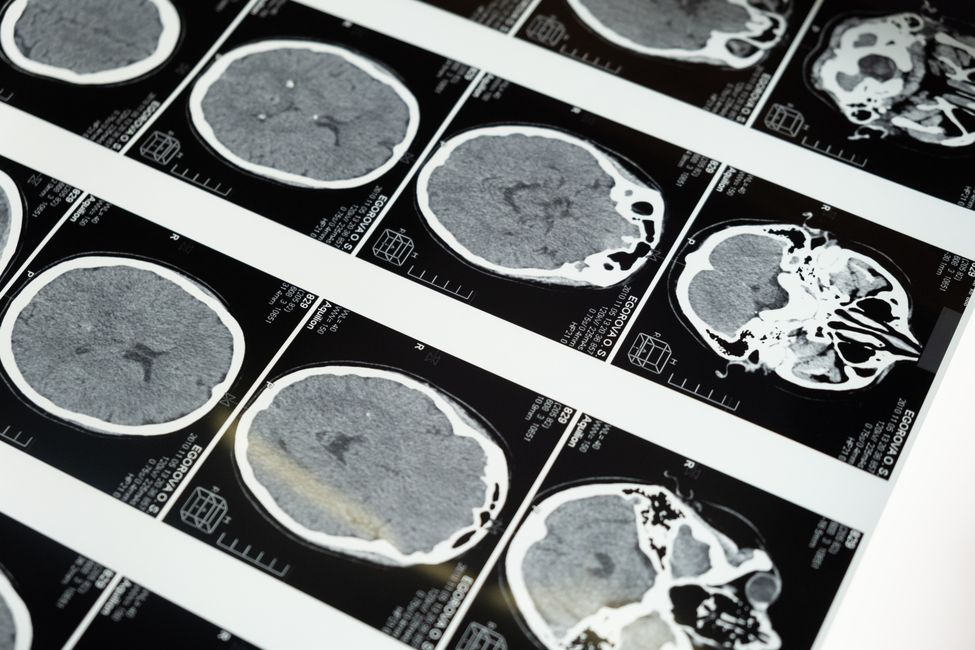
For the first time, researchers have identified a specific chemical pattern in the brains of people living with anxiety disorders, and it points to something surprisingly tangible: a shortage of an essential nutrient called choline.
The finding comes from a major analysis of brain scans, and it marks a meaningful shift in how we might understand and eventually address anxiety. Rather than focusing solely on neurotransmitters like serotonin or dopamine, this research highlights a nutrient that many of us have never heard of, but which plays a central role in keeping our brains healthy.
What the research found
The study examined brain imaging data from people diagnosed with anxiety disorders and compared it to scans from people without these conditions. What stood out was a noticeable difference in choline levels. Across the board, those with anxiety had lower concentrations of this nutrient in their brains.
The most significant deficit appeared in the prefrontal cortex, the part of the brain responsible for emotional regulation, decision-making, and managing stress responses. This region acts as a kind of control centre, helping us weigh options, calm ourselves down, and navigate difficult feelings. When choline levels are low in this area, it may affect how well that control centre can do its job.

*Photo: Yan Krukau · Pexels*
Choline itself is not a vitamin, but it is an essential nutrient that our bodies need to build cell membranes, produce neurotransmitters, and support communication between brain cells. We get it from foods like eggs, fish, chicken, nuts, and certain vegetables. Most people consume enough through diet, but not everyone does, and the body can only produce small amounts on its own.
Why this matters for understanding anxiety
Anxiety disorders are among the most common mental health conditions worldwide, affecting millions of people across all ages and backgrounds. While we know anxiety involves complex interactions between biology, environment, and experience, the exact mechanisms inside the brain have remained somewhat unclear.
This research offers the first clear chemical signature tied specifically to anxiety. It is not that choline deficiency causes anxiety in a simple cause-and-effect way, but rather that people with anxiety appear to have this nutrient gap, and it may play a role in how anxiety manifests or persists.
The researchers behind the study describe the discovery as significant because it opens a new avenue for treatment. If lower choline levels are part of the picture, then supporting choline intake through diet or supplementation might one day become part of a broader approach to managing anxiety.

*Photo: Vanessa Loring · Pexels*
That said, this is early-stage research. The study identifies a pattern but does not yet prove that boosting choline will reduce anxiety symptoms. Clinical trials will be needed to test whether nutrition-based interventions can make a real difference for people struggling with these conditions.
A more human way forward
What feels hopeful about this discovery is that it points to something practical and accessible. Nutrients are not a cure-all, and they certainly are not a replacement for therapy, medication, or other proven treatments. But the idea that what we eat might support our emotional wellbeing in measurable ways is both empowering and grounded.
For podcasters and creators who speak about mental health, this research offers a reminder that our brains are physical organs with physical needs. Conversations about anxiety do not always have to centre on pathology or diagnosis. Sometimes they can also include the basics: sleep, movement, connection, and yes, nutrition.
It also underscores the importance of continued research. Mental health treatment has come a long way, but there is still so much we do not fully understand. Studies like this one help fill in gaps and may eventually lead to options that are gentler, more personalised, and more aligned with how people actually want to care for themselves.
The discovery does not change everything overnight, but it does add another piece to the puzzle. And for anyone living with anxiety, knowing that researchers are looking at the condition from new angles, including nutrition, might offer a small sense of possibility.
If anxiety is something you are navigating, this research is not a call to self-diagnose or overhaul your diet on your own. It is simply a sign that science is listening, looking deeper, and trying to understand what your brain needs to feel steadier.
Based on reporting from sciencedaily.com.

Comments
Loading comments…