

Scientists have identified what might be an overlooked early warning system for Alzheimer's disease, one that shows up on the same MRI machines already sitting in hospitals and clinics around the world.
The discovery centres on the brain's drainage system, a network of tiny channels that clear away waste products during sleep and throughout the day. When these channels become blocked, toxic proteins begin to accumulate, and researchers now believe these blockages may appear earlier in people at risk of Alzheimer's than many of the disease's better-known markers.
The finding matters because Alzheimer's typically does its worst damage long before symptoms become obvious. By the time someone notices persistent memory problems, the disease has often been quietly eroding brain tissue for years. If physicians could spot trouble earlier, they might intervene before irreversible harm takes hold.
A drainage problem hiding in plain sight
The brain's waste clearance system works something like household plumbing. Fluid flows through channels that surround blood vessels, flushing out proteins and other debris that cells produce as they go about their daily work. When the system runs smoothly, the brain stays clean. When it gets clogged, waste builds up.
Researchers found that these blockages are visible on standard MRI scans, the same imaging technology doctors already use to examine brain structure. That means the potential for earlier detection does not require inventing new equipment or developing expensive tests. The information has been there all along, waiting for someone to recognise what it means.
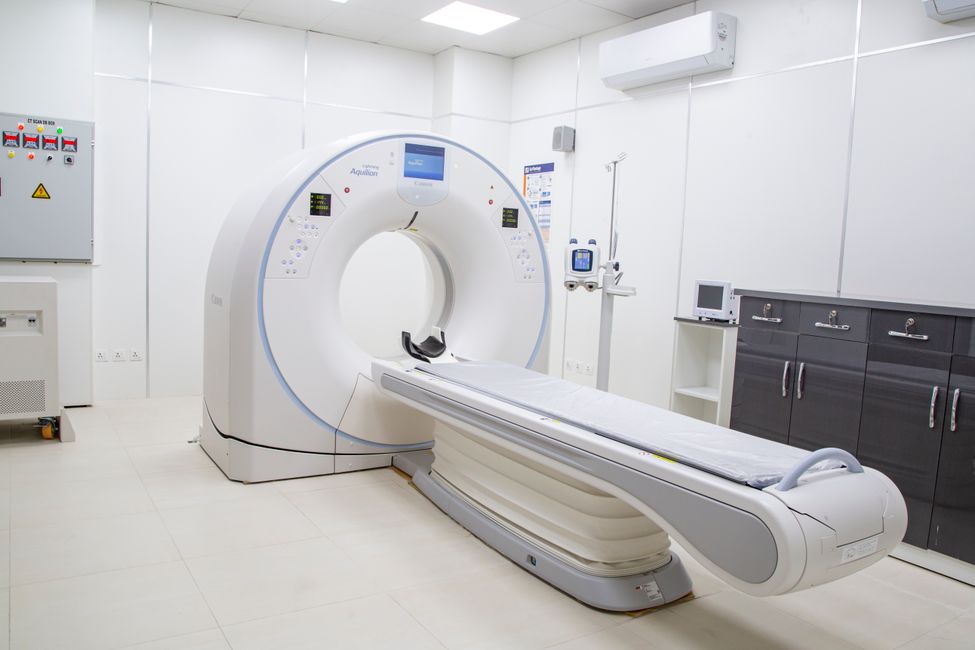
*Photo: contact me +923323219715 · Pexels*
The study revealed a connection between blocked drainage channels and the accumulation of toxic proteins known to play a role in Alzheimer's. These proteins, when they cluster together, interfere with how brain cells communicate and eventually contribute to the cognitive decline and memory loss associated with the disease.
What makes the drainage blockages particularly significant is their timing. In some people studied, the clogged channels appeared before other commonly tracked brain changes showed up. That suggests the drainage problem might serve as an even earlier flag than biomarkers physicians currently rely on.
Why earlier matters
Alzheimer's research has long grappled with a difficult truth: once symptoms are severe enough to notice, much of the damage is already done. Brain cells have died, connections have frayed, and the path back is steep.
Earlier detection opens different possibilities. It gives people more time to make lifestyle changes that might slow progression. It allows families to plan. It creates opportunities for medical interventions to start when they might do the most good.
The drainage finding also shifts attention to a biological process that researchers have only recently begun to appreciate. For years, the focus sat squarely on the toxic proteins themselves. Now scientists are asking whether the real problem is not just that the proteins exist, but that the brain cannot clear them away efficiently.

*Photo: cottonbro studio · Pexels*
Understanding the drainage system could eventually point toward new treatment approaches. If blocked channels contribute to protein buildup, then finding ways to keep those channels clear might help prevent or slow the disease. That is still theoretical, but it represents a different angle of attack.
What this means for real people
For anyone worried about cognitive health, whether for themselves or someone they love, this research carries a quiet reassurance. Science continues to peel back layers of mystery around a disease that has long felt inevitable and unstoppable.
The fact that standard MRI scans can reveal these early changes means detection tools do not need to wait for breakthroughs in technology. The infrastructure already exists in many communities. What needs to happen next is for medical practice to catch up with what research has revealed.
None of this erases the weight of an Alzheimer's diagnosis or the uncertainty that comes with being at risk. But earlier warning systems create space, and space allows for choice. Choice about how to respond, what support to gather, which conversations to have while they are still possible.
The research also underscores something important about how we think about brain health. The brain is not a static organ that simply breaks down with age. It is a dynamic system with maintenance processes that can falter or flourish depending on many factors, some within our control and some not.
For podcasters and creators in the mental wellness space, this discovery highlights the ongoing conversation between physical brain health and cognitive wellbeing. The two are inseparable. Understanding the mechanics of how the brain clears waste and what happens when that process fails adds depth to broader discussions about aging, prevention and hope.
The path forward involves turning these findings into practical tools that doctors can use and patients can access. That takes time, but the direction is promising.
Based on reporting from sciencedaily.com.

Comments
Loading comments…