

Researchers have discovered something unexpected about medications millions of people take every day. A new study suggests that selective serotonin reuptake inhibitors, the class of antidepressants commonly known as SSRIs, might do more than ease depression and anxiety. They could also help the body's immune system fight cancer.
The findings, which involved both mouse models and human tumour samples, show that these medications appear to boost the cancer-fighting ability of T cells, a crucial part of our immune defence. The research team observed that SSRIs helped these immune cells become more effective at recognising and destroying cancer cells, and that tumour growth slowed in their experimental models.
It's early days, and this work is far from becoming a treatment option. But the discovery opens an intriguing door in cancer research, particularly because SSRIs are already well understood, widely prescribed, and have established safety profiles.
A Familiar Medication in a New Light
SSRIs have been prescribed for decades to treat depression, anxiety disorders, and other mental health conditions. Medications like fluoxetine, sertraline, and citalopram work by increasing serotonin levels in the brain, which can help regulate mood and emotional wellbeing.
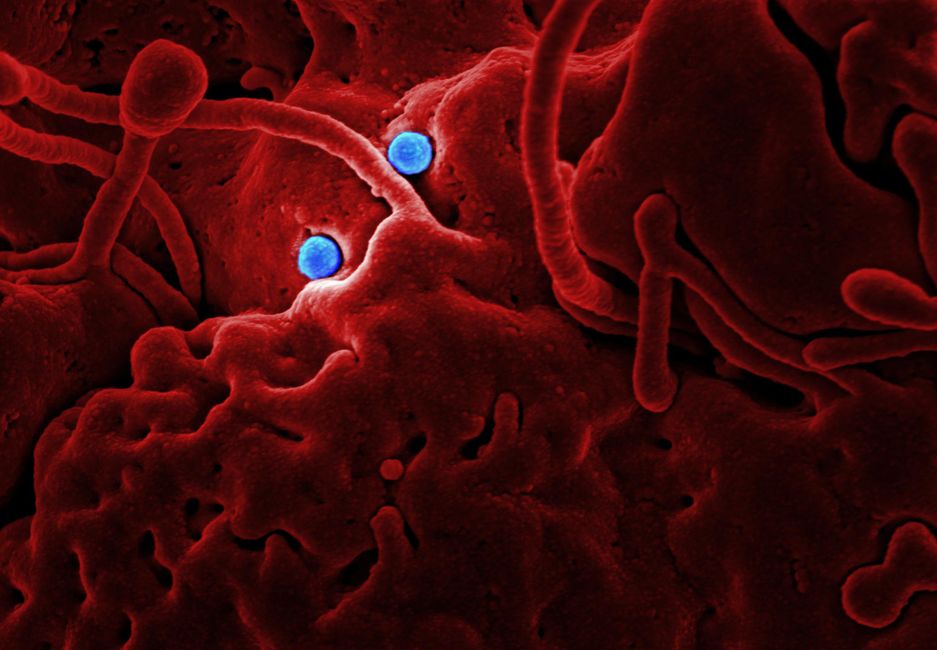
*Photo: CDC · Pexels*
What makes this research particularly interesting is that scientists weren't necessarily looking for a connection between mental health medications and cancer. The discovery emerged from studying how different compounds might influence immune system behaviour. The fact that a medication already taken by so many people might have this additional effect could potentially speed up future research, since much is already known about how these drugs work in the body and what their side effects might be.
The research team tested their findings across different experimental settings. They looked at how SSRIs affected T cells in controlled laboratory conditions, then examined their effects in mouse models carrying tumours. They also studied human tumour samples to see whether similar mechanisms might apply to people. Across these different approaches, the pattern held: SSRIs seemed to enhance the immune system's ability to target cancer.
What This Means for Treatment
It's important to be clear about what this research does and doesn't tell us. This study involved laboratory and animal models, not clinical trials with human patients. No one is suggesting that people should start taking antidepressants to prevent or treat cancer, and researchers aren't claiming they've found a cure.
What they have found is a biological mechanism that warrants much more investigation. The next steps would typically involve carefully designed human studies to see whether the effect observed in the laboratory translates to actual patient outcomes. That process takes years and involves rigorous safety and effectiveness testing.

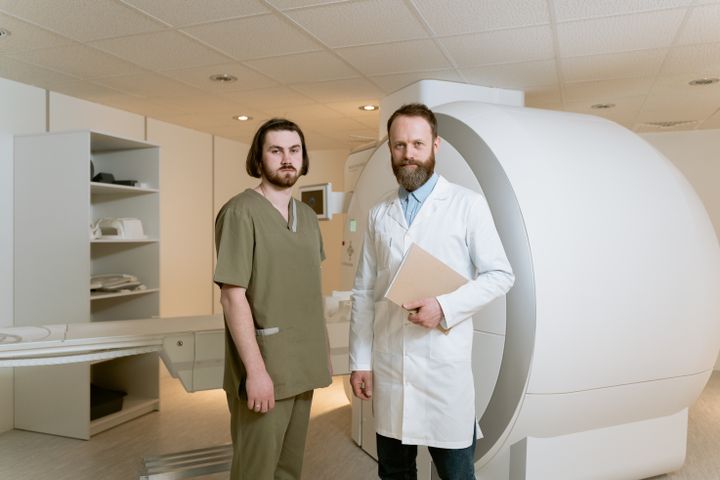
*Photo: Pavel Danilyuk · Pexels*
The research does raise interesting questions about the broader effects of medications we thought we understood quite well. It's a reminder that drugs can interact with our bodies in complex ways, some of which we're still discovering. For people currently taking SSRIs for mental health reasons, this research doesn't change anything about their treatment or why they're taking these medications.
The Bigger Picture
This discovery fits into a larger shift in how scientists think about cancer treatment. Rather than focusing solely on attacking cancer cells directly with chemotherapy or radiation, researchers have become increasingly interested in helping the body's own immune system do the job. Immunotherapy treatments, which work by boosting or enabling immune responses against cancer, have become important tools in oncology over the past decade.
The possibility that a widely available, affordable medication might enhance these natural defences is compelling from a public health perspective. If future research confirms these findings in human patients, SSRIs might eventually become part of combination treatment approaches, working alongside other therapies to improve outcomes.
For now, this research represents an important early step. It identifies a mechanism, demonstrates an effect in experimental models, and provides a foundation for future investigation. The path from laboratory discovery to proven treatment is long and uncertain, but findings like these are how that journey begins.
The research matters beyond its potential clinical applications. It reminds us that the medications we use to support mental wellbeing interact with our bodies in ways we're still learning to understand. It suggests that the boundary between mental and physical health is less clear than we sometimes imagine. And it offers a small, hopeful example of how existing tools might be repurposed to address some of our most challenging health conditions.
Based on reporting from sciencedaily.com.

Comments
Loading comments…