
When you've lived with depression for decades and tried treatment after treatment without relief, hope can feel like a distant memory. But new research suggests that a medical device designed to stimulate a major nerve in the body is helping some people with treatment-resistant depression find their way back to steadier ground.
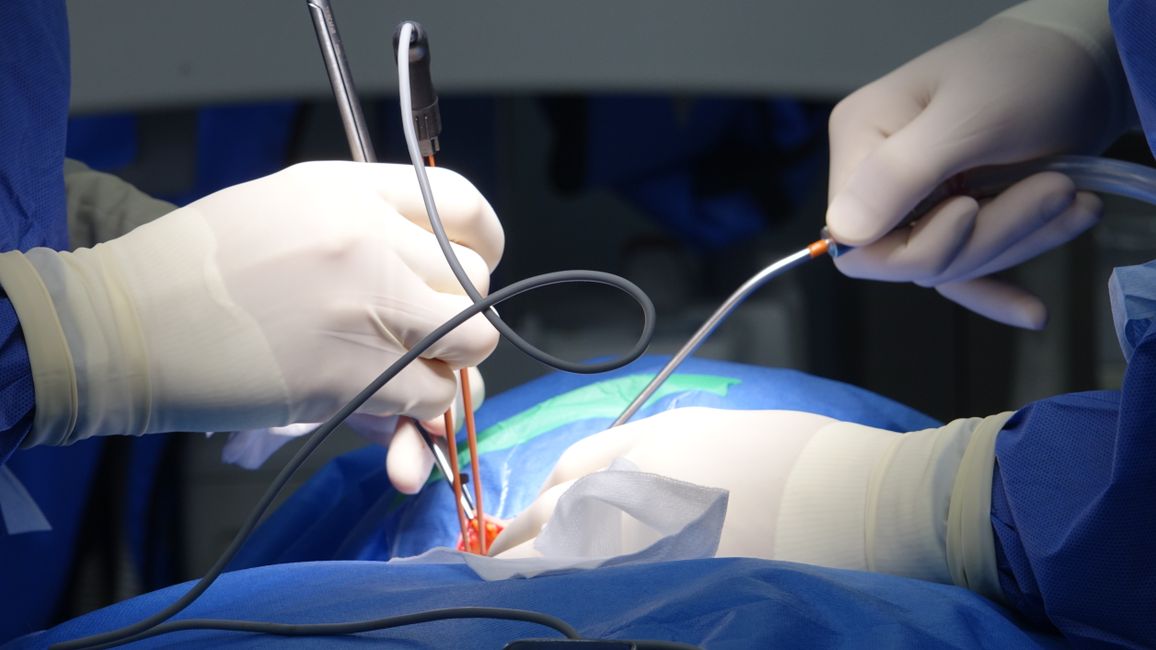
The treatment involves vagus nerve stimulation, a technique that uses a small implanted device to send gentle electrical signals to the vagus nerve, which runs from the brain through the neck and into the chest and abdomen. Researchers have now tracked patients who received this treatment and found that many experienced meaningful improvement that lasted at least two years.
When conventional treatments stop working
The people in this study weren't newly diagnosed. Most had carried depression with them for much of their adult lives. They'd worked through the standard approaches: multiple medications, various forms of therapy, sometimes electroconvulsive therapy. By the time they reached vagus nerve stimulation, they'd exhausted nearly every available option.
This matters because treatment-resistant depression isn't rare. While many people find relief through first or second-line treatments, a significant number don't respond to conventional approaches. For them, the search for something that works becomes its own kind of burden, layered on top of the depression itself.
The vagus nerve connects the brain to major organs and plays a role in regulating mood, among many other functions. The idea behind stimulating it is that these electrical signals may help restore more typical patterns of brain activity in regions involved in depression.

*Photo: Kampus Production · Pexels*
Improvement that holds over time
What stood out in this research wasn't just that people improved. It was that the improvements appeared to stick. Among those who felt better after one year of treatment, the vast majority maintained those gains or continued to improve as time went on. This kind of durability is significant for anyone who's experienced the cycle of feeling better only to slide back into depression months later.
Even more striking: some people who didn't respond in the first year began to improve after longer treatment. This suggests that for certain individuals, the benefits may take more time to emerge. It's a reminder that healing doesn't always follow a predictable timeline.
The study didn't claim that everyone improved or that this is a universal solution. Depression is complex, and what works for one person may not work for another. But for those who did respond, the change appears to have been meaningful and sustained.
What this means for people still searching
For someone reading this who has tried therapy after therapy, medication after medication, this kind of research can feel both promising and complicated. It's natural to wonder: could this work for me? Should I ask my doctor about it?

*Photo: Luc Marshall · Pexels*
Vagus nerve stimulation isn't a first-line treatment. It requires a surgical procedure to implant the device, and it's typically considered only after other approaches haven't worked. The process involves careful evaluation by specialists to determine whether someone might benefit.
But the existence of options like this matters, even for people who may never pursue them. It's a signal that research continues, that the medical community recognises treatment-resistant depression as a real and serious challenge, and that new approaches are being studied and refined.
The findings also underscore something important about depression itself: it's not a failure of will or character when treatments don't work. Sometimes the brain needs a different kind of intervention, one that works through different pathways.
For those of us who create content about mental health and wellbeing, stories like this remind us why it's worth talking openly about the full spectrum of treatment options. Not everyone's path looks the same. Some people find relief quickly; others search for years. Some respond to talk therapy; others need medication, brain stimulation, or a combination of approaches. There's no single right way to get better.
The people in this study had lived with depression for a very long time before finding something that helped. Their experience suggests that even after years of struggle, change can still be possible. That's not false hope or empty optimism. It's what the data shows.
As we continue to learn more about the brain and develop new ways to support it, the landscape of treatment keeps expanding. For someone in the depths of treatment-resistant depression, knowing that researchers are still working, still finding new approaches, can be its own small anchor.
If you or someone you care about has been struggling for a long time, please know that support is available.
Based on reporting from sciencedaily.com.

Comments
Loading comments…