

For anyone who has lived with anxiety, the question often lingers: why does my brain react this way? Now, researchers are beginning to trace part of the answer to something surprisingly tangible—a nutrient that appears to be in short supply in the anxious brain.
A new study has found that people with anxiety disorders consistently show lower levels of choline in specific brain regions responsible for regulating thought and emotion. The discovery adds another piece to the complex picture of what happens beneath the surface when anxiety takes hold, and it opens the door to thinking about mental health not just in terms of psychology or circumstance, but also in terms of what the brain itself may need to function well.
What choline does, and where it's missing
Choline is a nutrient that most of us have heard little about, but it plays a vital role in brain health. It helps build cell membranes, supports communication between neurons, and is involved in memory and mood regulation. The body produces some choline on its own, but not enough—most of what we need comes from food.
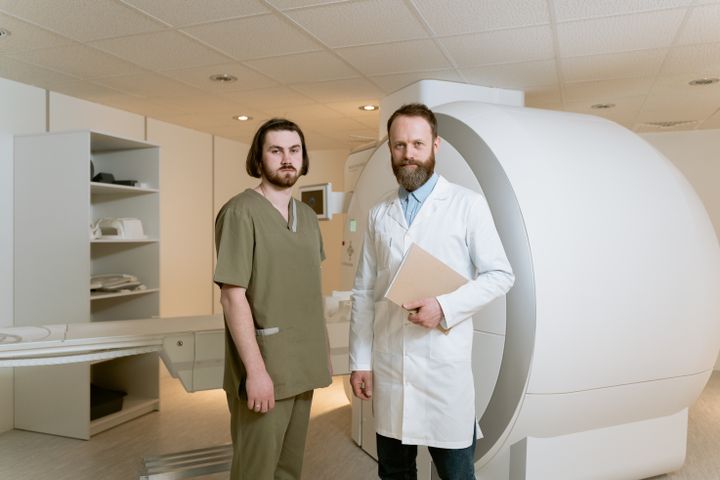
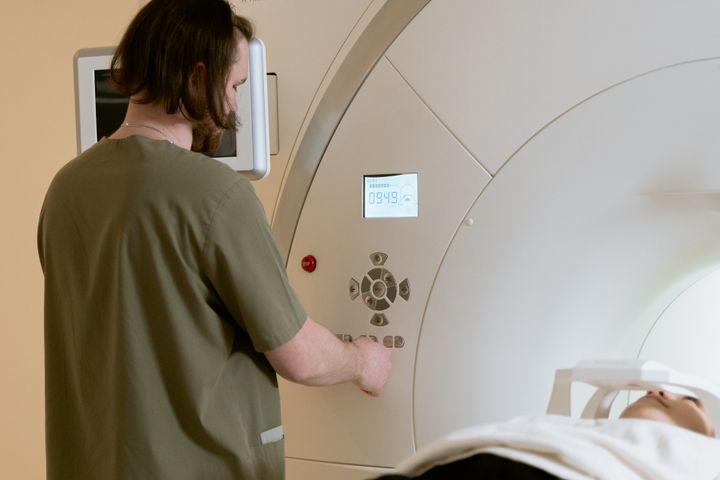
The researchers in this study focused on brain regions that are central to managing emotions and processing stress. What they found was a pattern: people diagnosed with anxiety disorders had notably lower choline levels in these areas compared to those without anxiety. This biochemical difference may help explain why the brain responds more intensely to stress in people with anxiety conditions. It's not just about perception or resilience—there may be a measurable gap in the resources the brain has to work with.

*Photo: Zakhar Vozhdaienko · Pexels*
The findings don't suggest that choline deficiency causes anxiety outright, but they do point to a relationship worth understanding. When the brain doesn't have enough of what it needs to regulate itself smoothly, the systems that manage fear and worry may become more reactive.
The nutrition gap many of us share
What makes this research especially relevant is that low choline intake is already a widespread issue. Many people in the United States don't meet the recommended daily amounts of choline, often because it's found in foods that aren't staples in every diet—eggs, liver, fish, nuts, and certain vegetables like broccoli and Brussels sprouts.
The scientists involved in the study suggest that nutrition could play a role in restoring balance, though they're careful to note that more research is needed. This isn't about a quick fix or a single supplement solving anxiety. But it does raise the possibility that what we eat—or don't eat—might influence how our brains handle stress over time.
It's a reminder that mental health exists in a body, and that body needs fuel. For someone managing anxiety, that perspective can feel both grounding and empowering. It doesn't replace therapy or medication or the other tools that help, but it adds another dimension to self-care that's often overlooked.

*Photo: cottonbro studio · Pexels*
Why this matters beyond the lab
Understanding anxiety as something that involves both mind and matter can shift how we talk about it. It makes space for compassion—for recognizing that struggle isn't always about willpower or mindset. Sometimes the brain is working with less than it needs.
For podcasters and creators in the mental wellness space, this kind of research offers a chance to explore the conversation around nutrition and mental health with nuance. It's not about prescribing diets or oversimplifying complex conditions. It's about widening the lens to include the whole person—what they think, what they feel, and what they're made of.
The study also points to something hopeful: that small, everyday choices might contribute to how we feel. Eating a varied diet rich in whole foods isn't a cure, but it may be one thread in a larger tapestry of care. And for someone looking for ways to support their own wellbeing, that can feel like something solid to hold onto.
This research is still early, and scientists will need to dig deeper to understand exactly how choline levels interact with anxiety and whether targeted nutrition could make a meaningful difference. But the direction is promising. It suggests that caring for mental health might sometimes begin at the kitchen table, alongside all the other ways we show up for ourselves.
Why it matters: This research reminds us that mental health is deeply connected to the body's needs. For anyone navigating anxiety, it's one more invitation to care for the whole self—not as a solution, but as part of the picture.
Based on reporting from sciencedaily.com.

Comments
Loading comments…