

Your heart doesn't work alone. It's in constant conversation with your brain, and one of the most important messengers in that dialogue is a wandering nerve called the vagus. Now researchers are learning that this connection might be far more vital than we knew, especially as we age.
A new study suggests the vagus nerve could be one of the heart's most powerful defences against the changes that come with getting older. The findings, which could eventually reshape how surgeons approach heart procedures and transplants, show that maintaining this nerve pathway helps protect heart cells and keeps the organ pumping strongly over time.
What the research found
The study looked at what happens when the vagus nerve stays connected to the heart versus when it's severed or absent. The results were striking. Hearts that kept their vagus nerve connection showed better protection of their cells and maintained stronger pumping capacity as time passed.
Even more encouraging, the researchers found that partial restoration of the nerve was enough to slow down harmful changes in heart tissue. This suggests the relationship isn't all or nothing. Some connection appears better than none, opening doors for medical interventions that don't require perfect nerve function to make a difference.
The vagus nerve gets its name from the Latin word for wandering, and it lives up to it. This long nerve starts in the brainstem and travels down through the body, touching the heart, lungs, and digestive system. It's a two-way communication line, carrying signals from the brain to the organs and sending information back up about what's happening in the body.
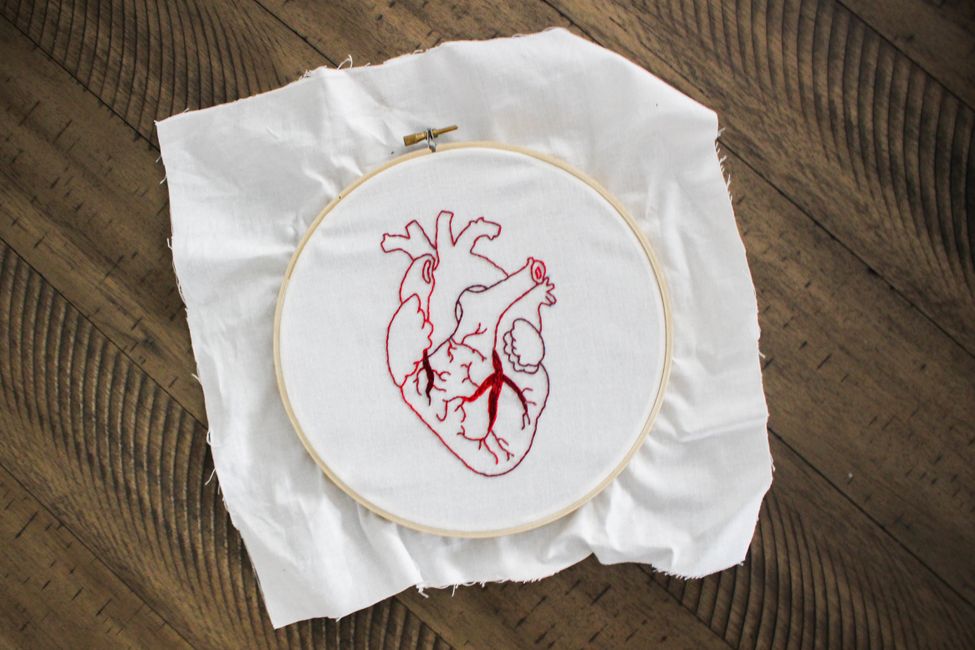
*Photo: Magdaline Nicole · Pexels*
Why this matters for heart health
As we age, hearts naturally undergo changes. The muscle can stiffen, cells may not regenerate as readily, and the organ's ability to respond to stress can decline. These shifts are part of why heart disease becomes more common in older age.
What this research suggests is that the vagus nerve might act as a kind of maintenance crew, helping to slow or prevent some of these age-related changes. By staying connected and active, the nerve appears to support the heart's resilience over the long term.
This has immediate implications for medical procedures. Heart transplants, for instance, typically involve severing the vagus nerve. The new heart beats on its own, controlled by its internal pacemaker, but it loses that direct line to the brain. If maintaining or restoring vagus nerve function can protect the transplanted heart and help it last longer, that's information surgeons need.
The same thinking could apply to other cardiac surgeries where nerve pathways might be affected. Understanding which connections matter most, and how much function needs to be preserved, could guide surgical techniques toward better long-term outcomes.
The bigger picture of nerve and heart
This research fits into a growing understanding of how deeply interconnected our body systems really are. The heart isn't just a mechanical pump. It's wired into our nervous system, responsive to our emotional states, and in constant biochemical conversation with the rest of the body.
The vagus nerve is already known to play a role in heart rate variability, the healthy variation in time between heartbeats that's associated with better stress resilience and overall health. People with higher vagal tone, meaning more active vagus nerve function, tend to recover more quickly from stress and show better emotional regulation.

*Photo: Tima Miroshnichenko · Pexels*
Now we're learning the nerve's protective role may extend to the cellular level, helping maintain the heart's structure and function as the years accumulate. It's a reminder that taking care of our nervous system, through stress management, adequate rest, and practices that support vagal tone, might have benefits that ripple through the whole body.
The researchers behind this work see it as potentially transformative for how we approach heart surgery and transplantation. Future procedures might be designed not just to restore blood flow or replace damaged tissue, but to preserve or rebuild the neural connections that help keep hearts healthy over time.
For now, the findings add another piece to the puzzle of healthy aging. They suggest that the communication between brain and heart, mediated by this wandering nerve, is more than just moment-to-moment control. It's an ongoing protective relationship that helps our hearts weather the passage of time.
As research continues, we may find practical ways to support or enhance vagus nerve function, whether through surgical techniques, electrical stimulation, or lifestyle approaches. What's clear already is that this humble nerve, quietly doing its work beneath our awareness, deserves more attention in the conversation about keeping hearts strong and resilient as we age.
Based on reporting from sciencedaily.com.


Comments
Loading comments…