
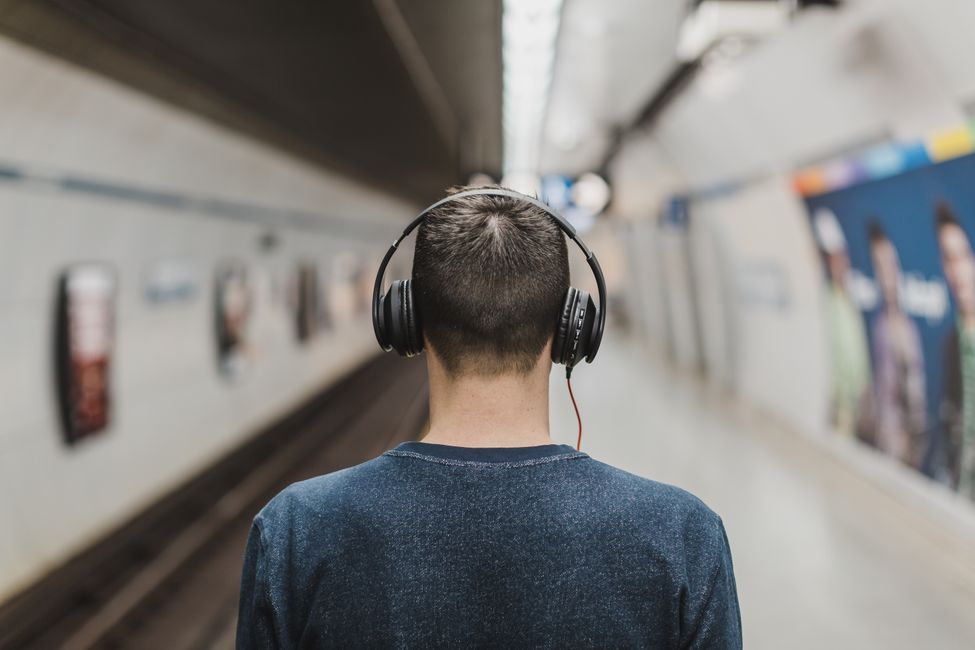
The way people listen to podcasts in the UK is changing, with YouTube now the most popular platform for podcast consumption, overtaking Spotify in recent months. The shift marks a significant moment in how audiences are choosing to engage with audio content, though Apple still holds the lead when it comes to actual podcast downloads.
The news highlights how podcast listening has become less about audio-only experiences and more about flexible, visual content that fits different moments in people's lives. For creators and listeners alike, it's a reminder that the podcast landscape continues to evolve in ways that might have seemed unlikely just a few years ago.
Why YouTube is gaining ground
YouTube's rise as a podcast platform reflects broader changes in how people consume content online. The platform offers something that traditional podcast apps don't: the option to watch as well as listen. Many podcasters now film their recording sessions and upload the video alongside the audio version, giving listeners a choice in how they engage.
This visual element seems to resonate particularly well with younger audiences who have grown up with video-first platforms. Seeing facial expressions, body language and the setting of a conversation can add layers of connection that pure audio sometimes misses. For some listeners, having the video on in the background while they work or cook provides a sense of companionship without requiring their full visual attention.
YouTube's recommendation algorithm also plays a role. The platform is skilled at suggesting content based on viewing history, which means podcast episodes can reach new audiences who might never have searched for them in a traditional podcast app. This discoverability factor gives creators another avenue to grow their audience beyond the usual podcast directories.
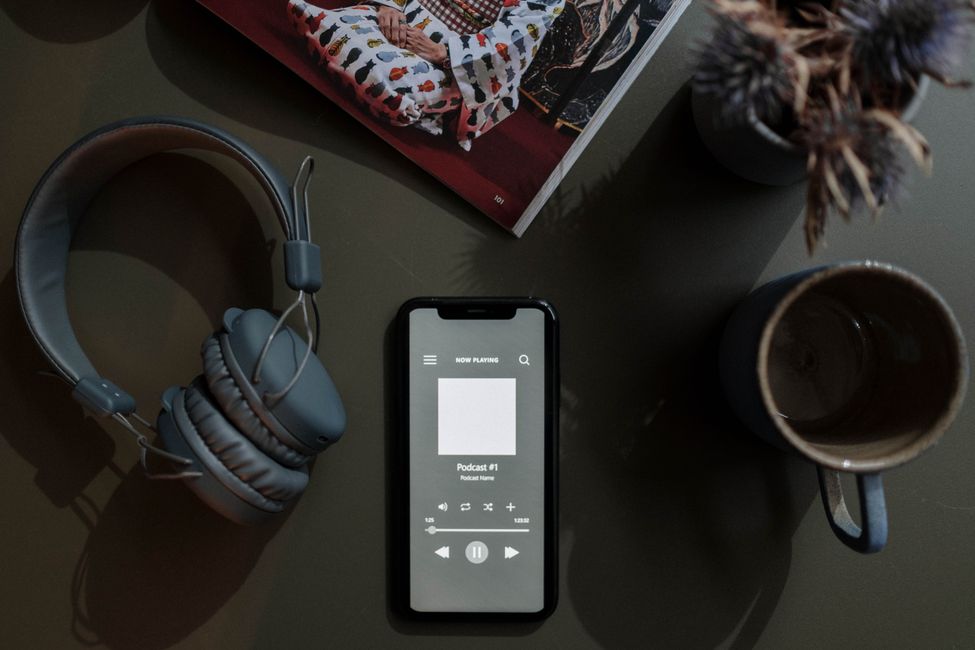
*Photo: cottonbro studio · Pexels*
The download numbers tell another story
While YouTube leads in consumption, Apple remains ahead when it comes to podcast downloads. This distinction matters because it reveals different listening behaviours across platforms. Downloads typically happen through dedicated podcast apps like Apple Podcasts, where listeners subscribe to shows and automatically receive new episodes.
These download figures represent a more traditional form of podcast engagement, where people deliberately seek out and follow specific shows. It's a loyal, intentional form of listening that has sustained the podcasting industry for years. Apple's continued strength in this area shows that plenty of listeners still prefer the focused, audio-only experience that podcast apps provide.
The gap between consumption and downloads also suggests that many YouTube listeners might be sampling content more casually, discovering episodes through recommendations rather than following shows religiously. Both models have value, but they represent different relationships between creators and their audiences.
What this means for podcast creators
For anyone making podcasts, these shifting patterns present both opportunities and challenges. The rise of YouTube means that creators who can add a visual component to their work may reach broader audiences. But it also means more work, more equipment and a different set of skills beyond simply recording good audio.
*Photo: Andreu Marquès · Pexels*
Not every podcast needs to be on camera. Many shows thrive precisely because they're intimate, audio-only conversations that listeners can enjoy while doing other things. The beauty of podcasting has always been its portability and the way it fits into the rhythm of daily life, whether that's during a commute, a walk or household chores.
Still, the data suggests that platforms matter more than ever. Where a podcast lives affects who finds it and how they experience it. Creators now need to think carefully about whether their content works best as pure audio, whether it gains something from video, or whether offering both versions serves different segments of their audience.
For listeners, more choice is generally welcome. Being able to watch a favourite podcast when you're at home and listen to it audio-only during a walk gives flexibility that enhances the overall experience. The question is whether the podcast industry can maintain its unique qualities while adapting to these more visual, platform-diverse expectations.
The UK's shifting podcast habits reflect a medium still finding its shape in a crowded digital landscape. As YouTube, Spotify and Apple each claim different aspects of podcast listening, creators and audiences alike are navigating what podcasting means when it's no longer just about the audio. The medium's strength has always been its intimacy and accessibility, and holding onto that while embracing new formats will likely define podcasting's next chapter.
Based on reporting from podnews.net.


Comments
Loading comments…