Your morning coffee might be talking to your gut in ways we're only beginning to understand
New research shows both regular and decaf coffee appear to shift gut bacteria and mood, hinting at a deeper connection than caffeine alone.

For years, we've thought of coffee as a straightforward pick-me-up, a jolt of caffeine to shake off the fog of sleep. But a new study suggests something more intricate is happening when you drink it, something that reaches beyond your brain and into the ecosystem of microbes living in your gut.
Researchers have found that coffee, whether caffeinated or not, may influence how we feel and think by changing the activity of gut bacteria. The study linked both types of coffee to lower levels of stress, depression, and impulsivity, while also revealing measurable shifts in the gut's microbial community and the substances those microbes produce.
What makes this particularly interesting is that the effects weren't identical. Decaf coffee appeared to support learning and memory, while caffeinated coffee was associated with reduced anxiety and improved attention. The differences hint that coffee's impact on our mental state isn't just about the buzz, it's about a more complex conversation between what we consume, the microbes in our digestive system, and our brains.
The gut-brain pathway we're still learning about
The idea that our gut and brain are in constant communication isn't new, but we're only beginning to map the details. The gut is home to trillions of bacteria, fungi, and other microorganisms that help digest food, produce vitamins, and even manufacture chemical messengers that influence mood and cognition.
This study adds another layer to that understanding. It suggests that coffee, a drink consumed by millions every day, might be shaping that microbial community in ways that ripple outward, affecting how we feel, focus, and respond to stress.
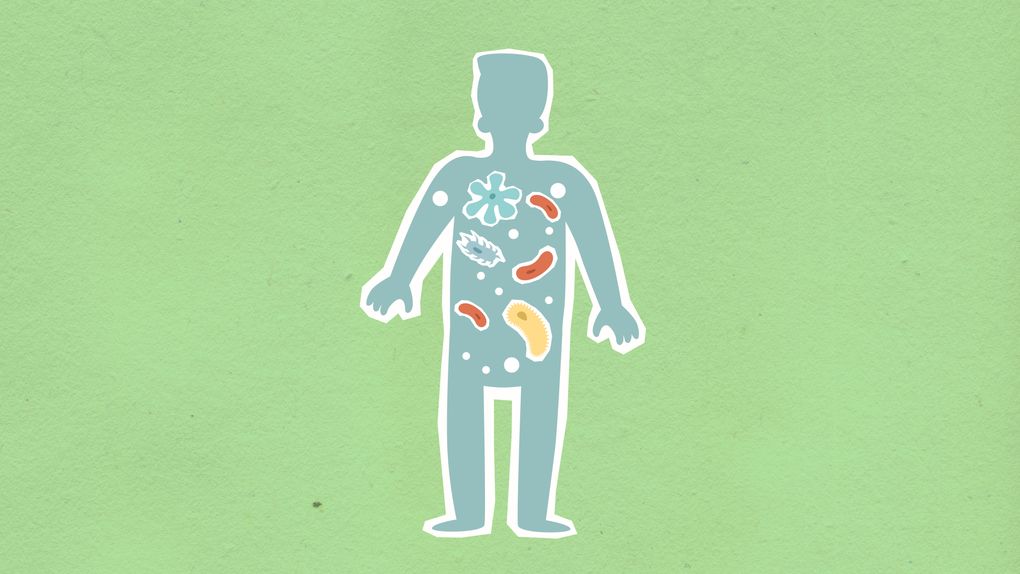
*Photo: Monstera Production · Pexels*
The researchers measured changes not just in the types of bacteria present, but in the metabolites, the substances those bacteria produce as they go about their work. Some of these metabolites can cross into the bloodstream and eventually reach the brain, where they may influence neurotransmitter systems and neural activity.
It's a reminder that the body doesn't work in isolated compartments. What happens in the gut can echo in the mind, and what we put into our bodies can set off a chain of small, invisible changes that add up to how we experience the world.
Why decaf and regular coffee had different effects
The fact that decaf coffee was linked to better learning and memory while caffeinated coffee seemed to ease anxiety and sharpen attention suggests that caffeine is only part of the story. Coffee contains hundreds of bioactive compounds, including antioxidants, polyphenols, and fibre, all of which could be influencing the gut microbiome in their own ways.
Decaf retains many of these compounds even after caffeine is removed, which may explain why it still had measurable effects on mood and cognition. The absence of caffeine might also allow other pathways to become more visible, pathways that are usually overshadowed by caffeine's stimulant effects.

*Photo: Lisa Fotios · Pexels*
For those who've switched to decaf because regular coffee makes them jittery or disrupts their sleep, this research offers a reassuring note: you're not missing out on all the benefits. The ritual, the warmth, the taste, and perhaps even the microbial shifts, may still be working quietly in the background.
What this means for how we think about everyday habits
This study doesn't tell us to drink more coffee or to switch from one type to another. What it does is broaden the lens through which we understand a habit that's woven into daily life for so many people.
It's easy to think of food and drink as fuel, as inputs we control. But research like this reminds us that we're not just feeding ourselves, we're feeding entire ecosystems inside our bodies, ecosystems that talk back in ways we're only starting to hear.
For podcasters and creators who spend long hours thinking, writing, and recording, the connection between gut health and mental clarity might be worth paying attention to. It's not about optimising every choice, but about noticing patterns, how certain foods or drinks make you feel over time, and recognising that those feelings might have roots deeper than you thought.
The findings also add context to broader conversations about mental wellness. Mood, focus, and emotional regulation aren't just products of willpower or brain chemistry in isolation. They're influenced by sleep, movement, relationships, and yes, the trillions of microbes quietly doing their work in the background.
This research won't change your life overnight, but it might change how you think about your morning cup. It's a small, everyday reminder that the body is interconnected, that the gut and the brain are in conversation, and that the choices we make, even simple ones, can matter in ways we're only beginning to understand.
Based on reporting from sciencedaily.com.



Comments
Loading comments…