Your brain may be less isolated than we thought, Stanford study finds
New research reveals that immune cells from the blood begin entering the brain far earlier in life than scientists previously understood.
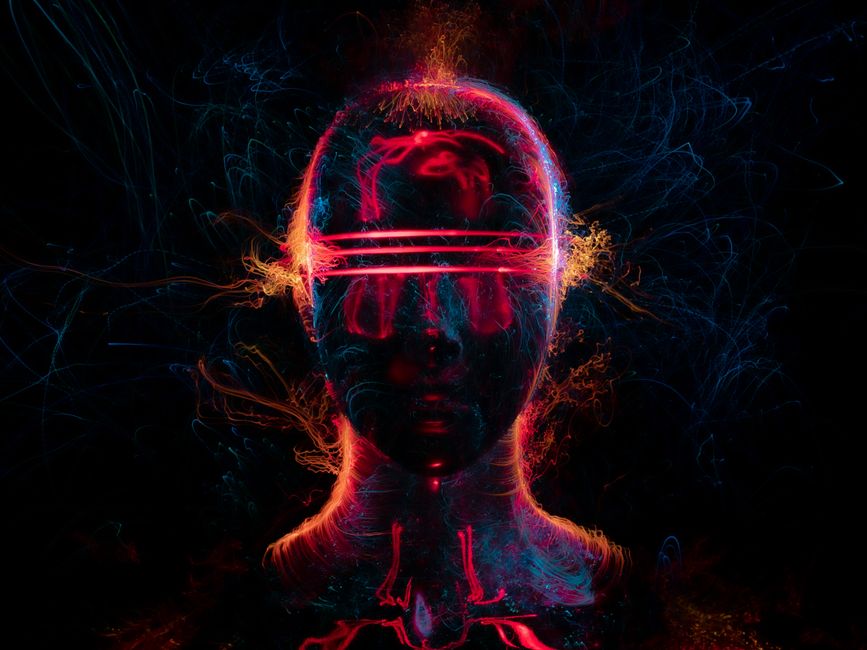
For decades, neuroscientists have worked with a basic assumption: the brain exists behind a protective barrier, largely sealed off from the immune system that patrols the rest of our body. But new findings from Stanford researchers are challenging that view in ways that could reshape how we understand brain aging.
The study reveals that immune cells from our bloodstream begin flooding into the brain much earlier than anyone expected, sometimes as early as middle age. Once inside, these cells can actually transform into microglia, the specialized immune cells that normally reside in the brain. The discovery suggests our brains may be far more connected to the rest of our bodies than we realised.
A barrier that becomes more porous
The brain has long been thought to maintain strict borders. The blood-brain barrier, a selective membrane that surrounds brain tissue, was believed to keep most immune cells out while allowing only essential nutrients through. This separation made sense from an evolutionary perspective, protecting delicate neural tissue from the inflammation and immune responses that happen elsewhere in the body.
But the Stanford team found something unexpected. As we age, large numbers of immune cells begin crossing that barrier and taking up residence in brain tissue. These are not invaders causing damage, at least not in the traditional sense. Instead, they appear to integrate themselves into the brain's existing immune infrastructure.
*Photo: turek · Pexels*
What makes this finding particularly striking is the timing. The influx does not wait until old age or disease sets in. It begins in middle age, during a period when most people still feel cognitively sharp and healthy. The brain, it turns out, may be changing in fundamental ways long before we notice any outward signs.
What it means for how brains age
The implications stretch in several directions. For one, this discovery forces scientists to reconsider what normal brain aging actually looks like at a cellular level. If immune cells from the body are routinely entering the brain, then the ageing brain is not simply a closed system gradually wearing down on its own. It is in constant conversation with the rest of the body.
This could help explain why factors like chronic inflammation, cardiovascular health, and metabolic conditions affect brain function as we get older. If immune cells are travelling between the body and brain, then what happens in our blood, our gut, or our heart might have more direct pathways to influence our minds than previously understood.
The transformation of these blood-borne immune cells into microglia is particularly intriguing. Microglia play complex roles in the brain, clearing away debris, supporting neurons, and responding to injury. But they can also contribute to neuroinflammation when overactive. Whether the immigrant immune cells behave differently from native microglia, or whether their arrival tips the balance toward inflammation, remains an open question.

*Photo: SHVETS production · Pexels*
A shift in perspective
This research does not offer immediate answers about how to slow brain aging or prevent cognitive decline. What it does offer is a fundamentally different lens for thinking about the relationship between body and mind.
For years, brain health advice has emphasised lifestyle factors like exercise, diet, sleep, and stress management. We now have a clearer biological picture of why those whole-body interventions might matter so much for the brain. If immune cells are moving between systems, then keeping the body's immune system balanced and inflammation low could directly influence what is happening inside the skull.
The finding also opens new research directions. Scientists can now investigate whether certain lifestyle factors, medications, or interventions might influence how many immune cells enter the brain, or how they behave once they arrive. It raises questions about individual variation too, whether some people experience more or less immune cell migration, and whether that correlates with cognitive outcomes.
Why this matters
For anyone interested in brain health and aging, this study is a reminder that the mind does not exist in isolation. Our thoughts, memories, and sense of self emerge from an organ that is deeply embedded in the body's broader systems.
The research also underscores how much we are still learning about basic brain biology. Even fundamental questions, like whether the brain remains separate from the immune system, can turn out to have surprising answers. That sense of ongoing discovery is humbling, but also hopeful. The more we understand about how the brain actually works, the better positioned we become to support its health across the lifespan.
For now, the practical takeaway remains grounded in what we already know helps: caring for the whole body cares for the brain. This study simply gives us a more detailed map of why that connection runs so deep.
Based on reporting from sciencedaily.com.


Comments
Loading comments…