

If you're looking to grow your podcast, the answer might not be another social media platform or a flashier microphone. According to Tom Webster, a respected voice in podcasting research, the best real estate you can own in this industry is something simpler: a newsletter.
Webster's advice, shared through Podnews, cuts through the noise of growth hacks and viral strategies. It points to something foundational. A newsletter gives you direct access to your audience, independent of algorithms, platform changes, or the whims of tech companies. In an industry where discovery remains one of the biggest challenges, that direct line matters.
Why Newsletters Work for Podcasters
The logic is straightforward. When someone subscribes to your newsletter, they're giving you permission to show up in their inbox. You're not competing with a feed of hundreds of other posts. You're not hoping the algorithm surfaces your content at the right moment. You're simply there, in a space they've already decided to check regularly.
For podcasters, this creates a relationship that extends beyond the audio file. You can share context about upcoming episodes, behind-the-scenes thoughts, or resources that complement what you're covering in your show. You can ask questions, invite feedback, and build a community around your work. The newsletter becomes a conversation, not just a broadcast.
There's also the practical side. Email addresses are data you own. If a podcast platform changes its policies, or a social network fades in popularity, your email list stays with you. That stability is rare in the digital landscape, and it's particularly valuable for independent creators who are building something sustainable over the long term.
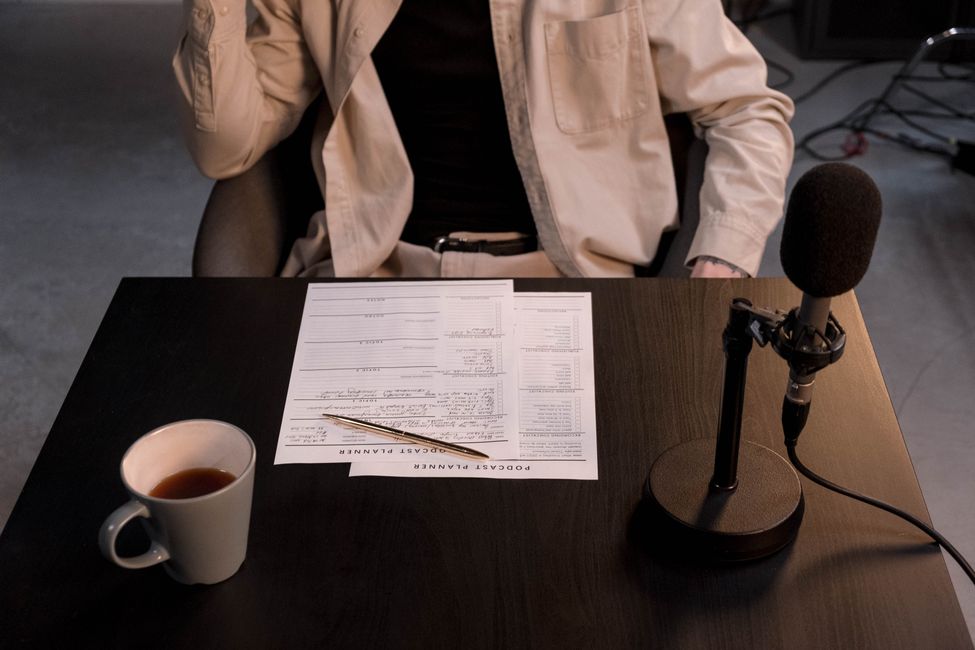
*Photo: cottonbro studio · Pexels*
Building Connection Beyond the Episode
What makes newsletters powerful isn't just the technology. It's the intimacy of the format. Email feels personal in a way that other channels don't. When you write to your subscribers, you're meeting them in a quieter space, away from the scroll and the distraction. That shift in context changes how people engage with what you have to say.
For a platform like Healthy Mind by Avik, where the work centres on mental wellness and meaningful conversations, a newsletter is a natural extension. It's a place to deepen the themes explored in episodes, to offer gentle reflections, or to simply remind listeners that they're part of something larger than themselves. It's not about selling or promoting. It's about showing up consistently, with warmth and intention.
Webster's insight also speaks to a broader truth about podcasting. Growth doesn't always come from chasing trends or mimicking what works for others. It often comes from the unglamorous work of building trust, one person at a time. A newsletter is a tool for that work. It asks you to think about what your audience actually needs, and how you can serve them beyond the confines of an episode.
What This Means for Independent Creators
The advice to start a newsletter isn't new, but it's worth repeating because it's easy to overlook in favour of more exciting strategies. Social media feels urgent and dynamic. Newsletters feel slow and steady. But slow and steady is often what builds something real.
For podcasters just starting out, a newsletter doesn't need to be elaborate. It can be a few paragraphs each week, sharing what's coming next or reflecting on what you've learned. The key is consistency and authenticity. People subscribe because they want more of what you're already offering. They're not looking for polish. They're looking for connection.
For established shows, a newsletter can deepen loyalty and open new creative possibilities. It's a space to experiment, to share ideas that don't fit neatly into an episode format, or to invite your audience into the process of making the show. It's also a way to remind people that you exist, especially in a crowded market where even loyal listeners can forget to check in.

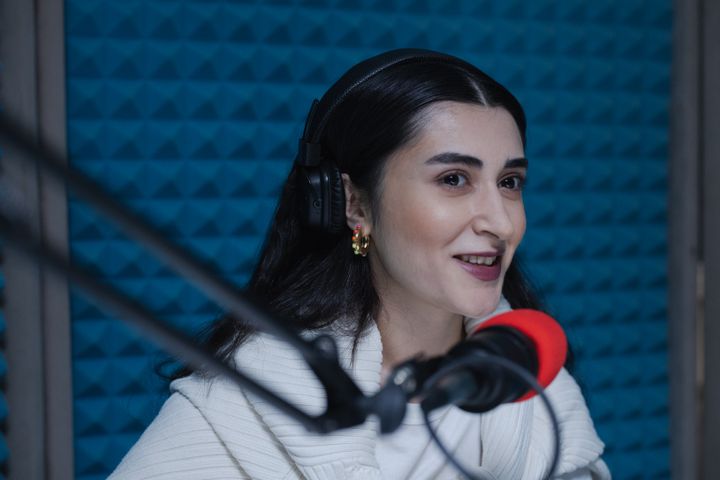
*Photo: Hanna Pad · Pexels*
Webster's framing of newsletters as real estate is apt. Real estate is about ownership, investment, and long-term value. It's not flashy, but it's foundational. In podcasting, where so much depends on platforms and intermediaries, having something you own outright is a quiet form of power.
For those of us in the mental wellness space, there's another layer to this. A newsletter is a way to extend care beyond the episode. It's a reminder that the work doesn't end when the audio stops. It's a way to stay present, to offer continuity, and to build a space where people feel seen. That's not just good strategy. It's good practice.
If you're thinking about how to grow your podcast, consider this: the best path forward might not be louder or faster. It might be closer and quieter, in the humble form of an email that lands in someone's inbox each week, saying, I'm here. I'm listening. Let's keep going together.
Based on reporting from podnews.net.


Comments
Loading comments…