Why Toddlers Copy Us: New Research on Early Imitation and Belonging
Young children mimic adults in surprising ways, but a new study finds the social reasons we expect may come later than we think.
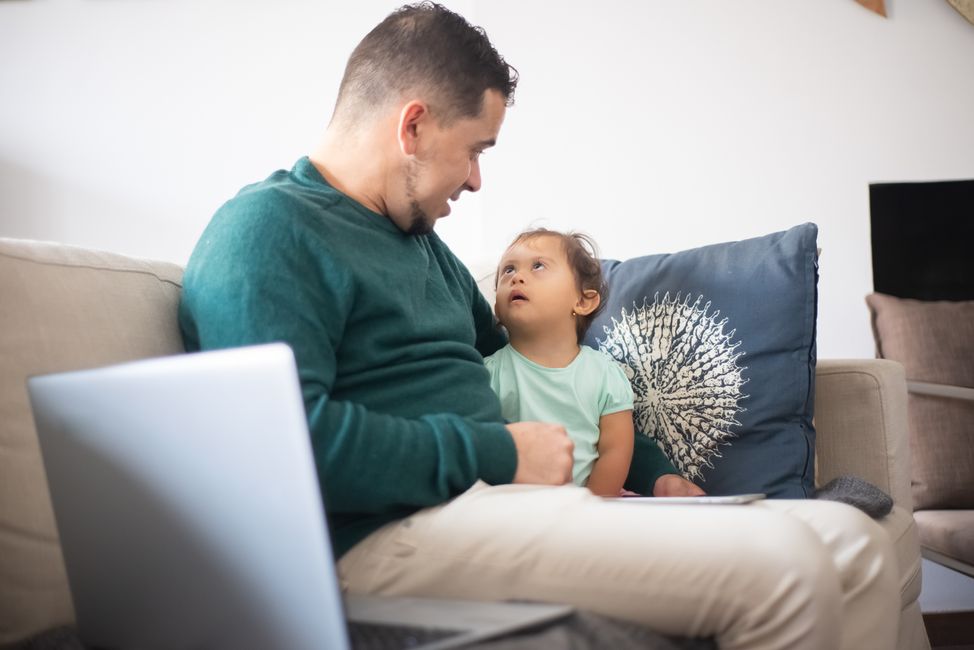
Anyone who has spent time with a toddler knows they're natural mimics. They copy our gestures, our words, even the way we hold a spoon. But researchers have long wondered what drives this behaviour, especially when children copy actions that seem unnecessary or inefficient. A new study sheds light on when and why this particular form of imitation begins, and the findings challenge some of our assumptions about early social development.
When copying goes beyond practical learning
The study focused on something called overimitation, which happens when children copy not just the useful parts of a demonstration but also the unnecessary steps. Imagine an adult opening a box by first tapping it three times, then lifting the lid. A child who overimitates would tap the box three times too, even though tapping serves no purpose for getting inside.
Researchers have previously thought that overimitation might be driven by a desire to connect with others, particularly with people the child sees as similar to themselves. The idea is that copying someone's quirks and habits, not just their practical actions, could be a way of saying "I'm like you" or "I want to belong to your group."
To test this theory, scientists looked at infants between 16 and 21 months old, an age when many social behaviours are just beginning to take shape. They wanted to see how much overimitation was happening at this early stage, and whether it was linked to what researchers call in-group preference, the tendency to favour people who seem similar to us.
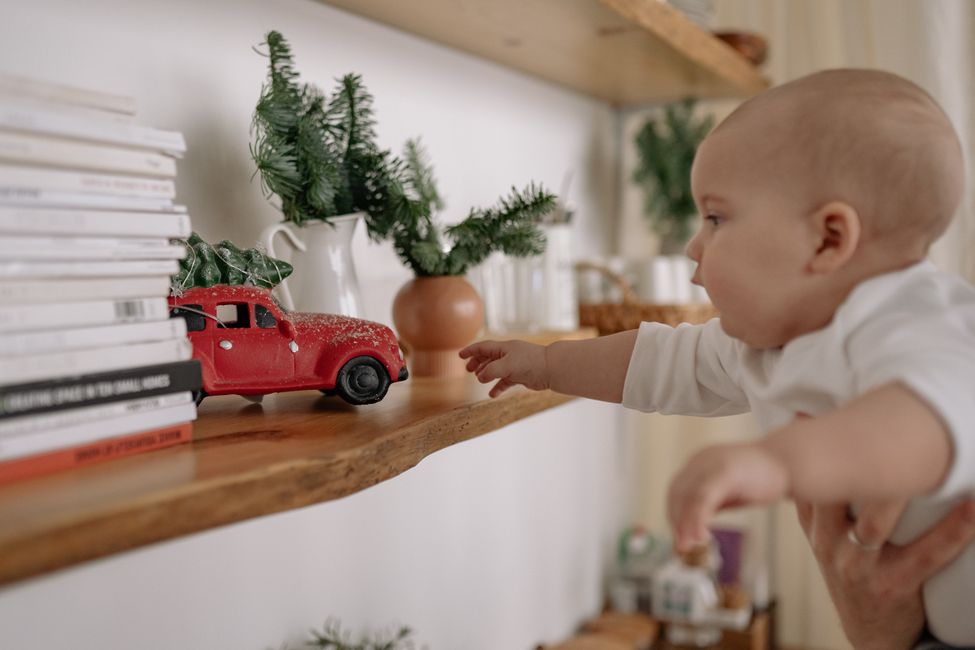
*Photo: Yan Krukau · Pexels*
What the researchers discovered
The findings were surprising. Young children at this age did engage in overimitation, but only at low rates. More importantly, their copying behaviour wasn't connected to in-group preference. The toddlers weren't overimitating because they were trying to please or affiliate with someone they saw as part of their social group.
This suggests that the social motivation behind overimitation, the desire to fit in or signal belonging, likely develops later in childhood. At 16 to 21 months, children are still in the early stages of understanding social dynamics and group membership.
However, the study did find something else significant. Other types of imitation that are more closely tied to memory and cognitive development were strongly correlated with each other. This tells us that even very young children are using imitation as a learning tool, absorbing information about how the world works and building their understanding through observation.
What this means for connection and development
These findings matter because they help us understand the building blocks of social behaviour. Imitation isn't just one thing. It serves different purposes at different stages of development, and the motivations behind it shift as children grow.
In the earliest months and years, copying appears to be primarily about learning and making sense of the environment. The social dimension, the part where children use imitation to connect, to show they belong, or to strengthen relationships, seems to emerge later as their understanding of social groups and relationships becomes more sophisticated.
For parents and caregivers, this research offers a gentle reminder that young children are always watching and learning, but they're not yet calculating social strategies in the way older children or adults might. Their imitation is genuine exploration, not performance.
It also points to the deep human need for connection that will develop as they grow. The fact that overimitation eventually becomes linked to social affiliation shows how fundamental belonging is to our species. Even the small act of copying an unnecessary gesture can become a way of saying "I see you, and I want to be part of your world."
Understanding these developmental stages can help us appreciate where children are in their journey. It reminds us to meet them where they are, rather than expecting social awareness they haven't yet developed. And it highlights how much of what makes us human, our drive to connect, to belong, to understand each other, unfolds gradually over time.
The research offers a window into the earliest foundations of social learning, showing us that the path from simple observation to complex social bonding is longer and more nuanced than we might have assumed. For anyone interested in human development, relationships, or the psychology of connection, it's a fascinating piece of the puzzle.
Based on reporting from sciencedaily.com.



Comments
Loading comments…