Why the brain becomes vulnerable after stopping drinking
New research in mice suggests the period after quitting alcohol may create conditions in the brain that make relapse more likely.
The weeks and months after someone stops drinking can feel like a fragile time. Now, research in mice suggests there may be a biological reason for that vulnerability. Scientists have found that the brain undergoes specific changes during abstinence that could actually increase the risk of returning to compulsive drinking.
The study, which tracked mice through cycles of drinking and abstinence, revealed something unexpected. In animals that later developed compulsive drinking habits, a particular brain region showed more than double the usual activity. What makes this finding especially significant is the timing: the heightened activity appeared before the mice started drinking again, not after.
A window into the brain during abstinence
Researchers focused on a brain area associated with both stress and addiction. They observed that during the period of abstinence, certain mice showed dramatically elevated activity in this region. These were the same animals that would go on to drink compulsively when alcohol was available again.
The pattern suggests that abstinence itself may prime the brain in ways that make some individuals more susceptible to relapse. Rather than the brain simply returning to its pre-drinking state during a period without alcohol, it appears to undergo active changes that could work against recovery.
This finding challenges the assumption that time away from alcohol always moves the brain in a healing direction. For some, the abstinence period may create a kind of neurological tension that becomes difficult to sustain.
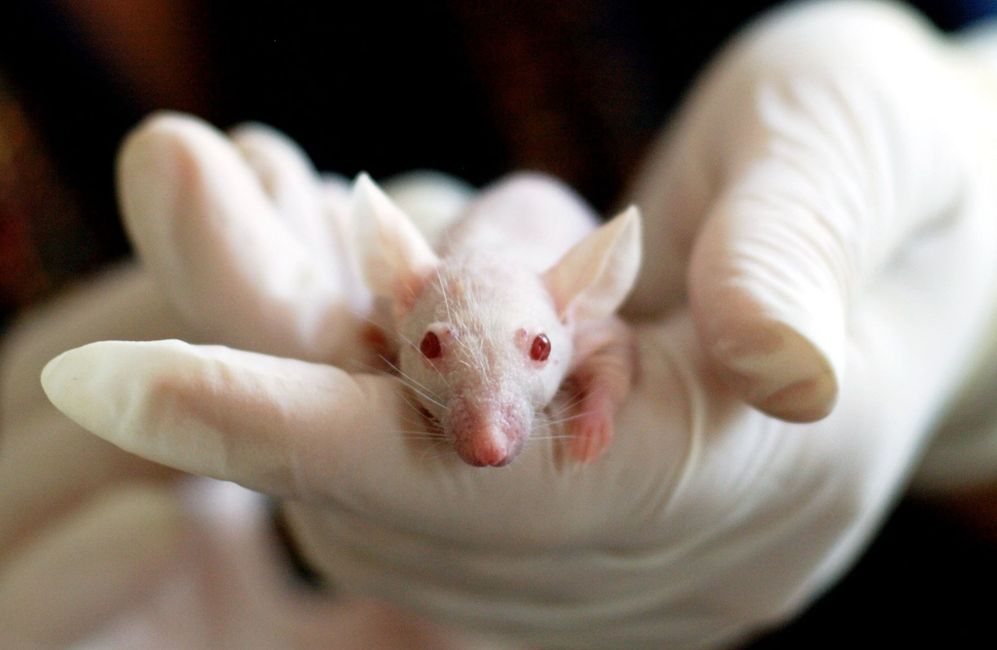
*Photo: Pixabay · Pexels*
What this could mean for understanding relapse
The researchers believe this brain signal could eventually help identify who faces the highest risk of returning to drinking. If similar patterns exist in humans, it might one day be possible to detect these changes and offer more targeted support during the vulnerable window after someone stops drinking.
Currently, predicting relapse remains one of the most difficult challenges in addiction treatment. People often feel uncertain about their own risk, and clinicians have limited tools to assess vulnerability beyond asking about cravings and past patterns. A biological marker that appears before relapse, rather than after, could change that landscape significantly.
The study also adds to our understanding of why recovery is rarely a straight line. The brain's response to abstinence varies from person to person, and what looks like willpower or its absence may have roots in measurable neurological processes.
The long view on recovery
This research arrives at a time when scientists are increasingly recognising addiction as a condition that involves lasting changes to brain circuitry. The idea that the brain continues to adapt during abstinence, sometimes in ways that create new challenges, fits with what many people in recovery already know from experience: that stopping is only the beginning.
The mice in this study were observed through repeated cycles of access to alcohol and periods without it. This mirrors the reality for many people, whose recovery journeys include setbacks. Understanding the brain's shifting landscape during these cycles could lead to better timing for interventions and more realistic expectations about what different stages of recovery require.
It is worth noting that this research involved mice, and translating findings to human experience always requires caution. The human brain is more complex, and the social, emotional and environmental factors in recovery extend far beyond what can be modelled in a laboratory. Still, the study offers a valuable piece of the puzzle.

*Photo: Landiva Weber · Pexels*
Why it matters
For those working in mental health, addiction recovery or wellness spaces, this research underscores something important: the period after someone stops drinking deserves as much attention and support as the decision to stop in the first place. The brain does not simply reset. It continues to respond, adapt and sometimes struggle in ways that are not always visible from the outside.
For podcasters and creators in the wellness space, it is a reminder that recovery stories are rarely simple. The science suggests that relapse is not a failure of character but often a reflection of brain processes that are still being understood. Compassionate, informed conversations about the complexity of recovery can help reduce shame and create space for people to seek help during vulnerable periods.
The hope is that one day, this kind of research could lead to better prediction tools and more personalised support. For now, it offers validation that the path away from compulsive drinking is rarely straightforward, and that what happens in the brain during abstinence matters deeply.
Based on reporting from sciencedaily.com.



Comments
Loading comments…