
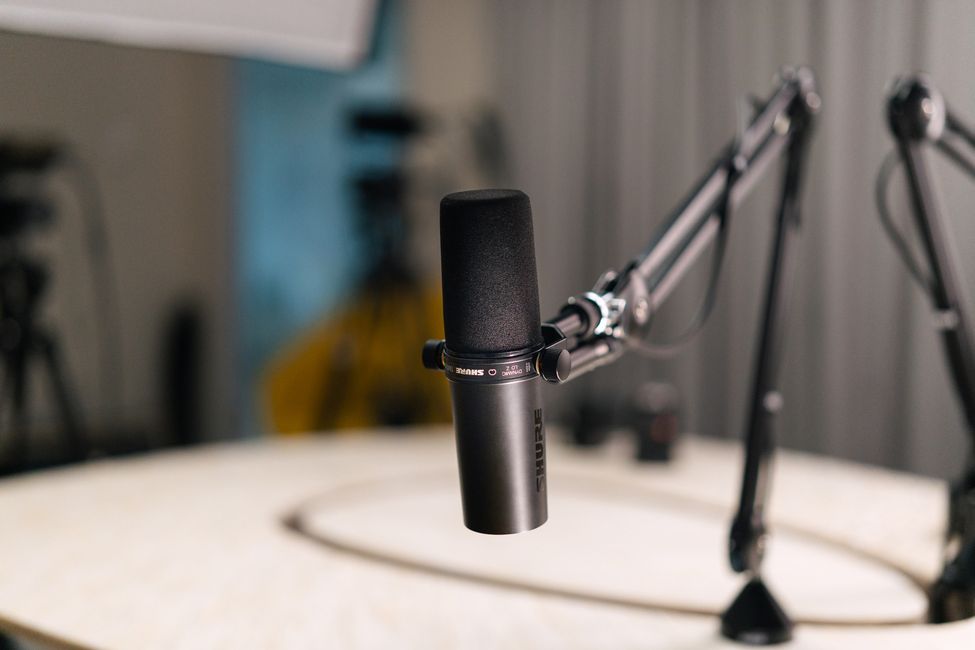
Podcasting has always been a medium shaped by people willing to experiment. Unlike traditional broadcasting, where formats are carefully tested and risk is minimised, podcasting grew from bedrooms and kitchen tables where creators simply tried things to see what would happen. That experimental spirit remains one of the medium's defining features, and it's worth pausing to appreciate why it matters.
The observation comes from Podnews, which highlighted how the willingness to take risks continues to shape what podcasting is today. It's a simple truth, but one that's easy to overlook when we're caught up in analytics, monetisation strategies and audience growth targets.
The creative laboratory of audio
Podcasting has never demanded permission. There's no gatekeeper deciding which voices get heard or which formats are viable. That freedom has led to extraordinary creativity. People have launched shows about niche hobbies that would never get radio time. They've tried narrative structures that blend fiction and documentary. They've experimented with episode lengths, from five-minute micro-casts to five-hour deep dives.
Some of these experiments fail quietly. Others become templates that dozens of other creators adopt. The point is that the medium allows for both outcomes without punishing the attempt. You can launch a show, try something bold, and if it doesn't land, you haven't lost a broadcasting slot or disappointed a network executive. You've simply learned something.
This environment has produced some of podcasting's most beloved formats. Serialised true crime storytelling, conversational interview shows that run for hours, fiction podcasts with cinematic production values, these all emerged because someone was willing to try something that hadn't been proven yet.
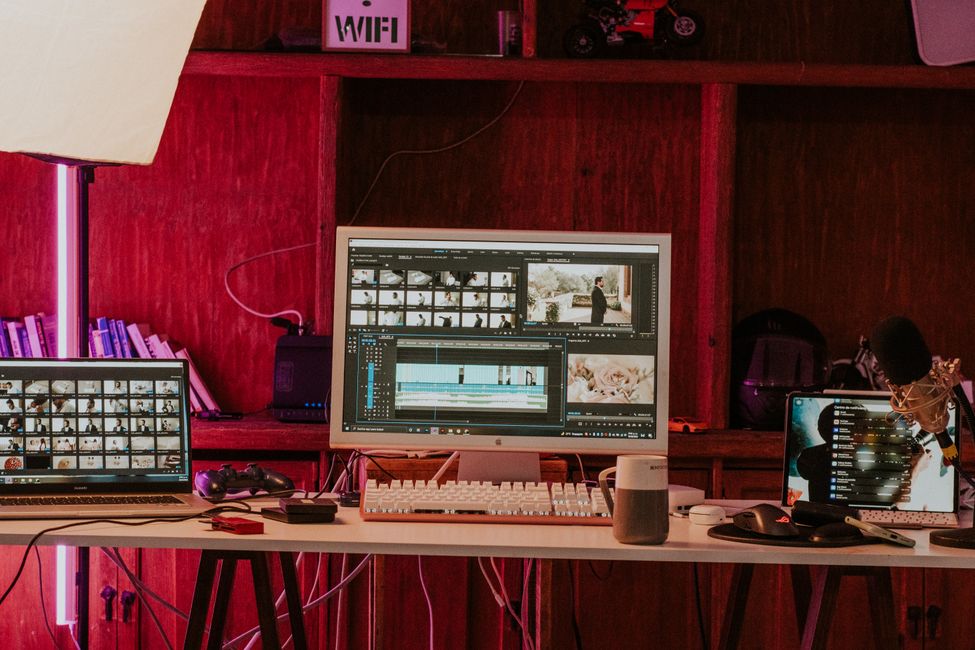
*Photo: Amar Preciado · Pexels*
What risk-taking actually looks like
Taking risks in podcasting doesn't always mean launching something radically different. Sometimes it's about smaller creative choices that feel uncertain. It might be inviting a guest whose views challenge your audience. It might be tackling a difficult topic without knowing if you can do it justice. It might be changing your format after years of consistency, trusting that your listeners will come with you.
For independent creators, every new show is a risk of time and energy. For networks and studios, commissioning something unproven means betting resources on an idea that might not find an audience. But these bets, collectively, are what keep podcasting vital and interesting.
The alternative is a medium that plays it safe, that only replicates what's already successful. That would be understandable from a business perspective, but it would also mean losing something essential about what makes podcasting different from other media.
Why experimentation still needs support
The challenge is that risk-taking becomes harder as the industry matures. As podcasting attracts more investment and professional infrastructure, there's natural pressure to reduce uncertainty. Advertisers want proven audiences. Platforms promote shows that already have traction. Creators face pressure to deliver consistent numbers rather than trying something new.
This tension isn't unique to podcasting, but it's particularly important here because the medium's strength has always been its openness to the untested idea. Finding ways to preserve space for experimentation, even as the industry grows, matters for everyone who cares about podcasting's future.
That might mean listeners actively seeking out new shows from unknown creators. It might mean platforms highlighting experimental work alongside established hits. It might mean funders and networks setting aside budget specifically for projects that don't have guaranteed outcomes.

*Photo: Markus Winkler · Pexels*
The human element
Behind every experimental podcast is a person or team willing to put something into the world without knowing how it will be received. That vulnerability is part of what makes podcasting feel intimate and human. When you listen to someone trying a new format or exploring unfamiliar territory, you're hearing them take a creative risk in real time.
For those of us at Healthy Mind by Avik, this resonates deeply. Mental wellness conversations require their own kind of risk-taking, the willingness to be honest about difficult experiences, to explore topics that don't have neat answers, to create space for voices that haven't always been heard. The experimental spirit of podcasting makes that possible.
The medium's willingness to embrace uncertainty mirrors something important about personal growth and creative expression. Not everything needs to be polished or proven before it deserves to exist. Sometimes the most meaningful work comes from trying something simply because it feels important, not because success is guaranteed.
Podcasting thrives when creators feel free to experiment, and that freedom ultimately benefits everyone who listens. It means a richer, more diverse audio landscape where new ideas can find their audience and where the medium keeps evolving rather than settling into predictable patterns. The risk-takers, whether they succeed spectacularly or quietly, are the ones keeping podcasting interesting.
Based on reporting from podnews.net.



Comments
Loading comments…