
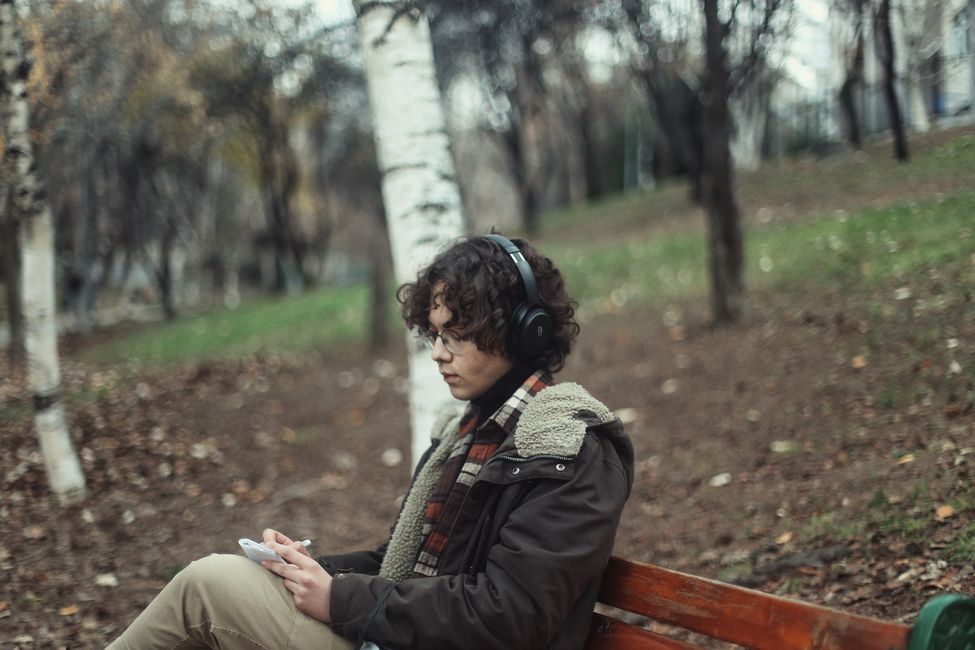
In an era when podcasting platforms push video features and creators debate whether to switch on the camera, a recent study offers a reassuring reminder: audio is still the foundation of how people experience podcasts.
According to research highlighted by Nielsen, almost every podcast consumer continues to listen to shows in traditional audio form. The finding arrives at a moment when the industry faces questions about its identity, with platforms like Spotify and YouTube promoting video podcasts and some creators wondering if they need to adapt or risk being left behind.
The enduring appeal of audio
The data suggests that listeners have not abandoned what made podcasting distinct in the first place. Audio allows people to fold podcasts into the rhythm of daily life in ways that video cannot match. You can listen while driving, cooking, walking the dog, or lying in bed with your eyes closed. The medium fits around you rather than demanding your full attention.
This flexibility has always been one of podcasting's greatest strengths. Unlike video, which requires you to be stationary and focused on a screen, audio travels with you. It becomes a companion during commutes, a soundtrack to household chores, or a voice in your ear during a long run. For many people, podcasts fill moments that would otherwise be silent or lonely, offering connection without requiring eye contact or a fixed position.
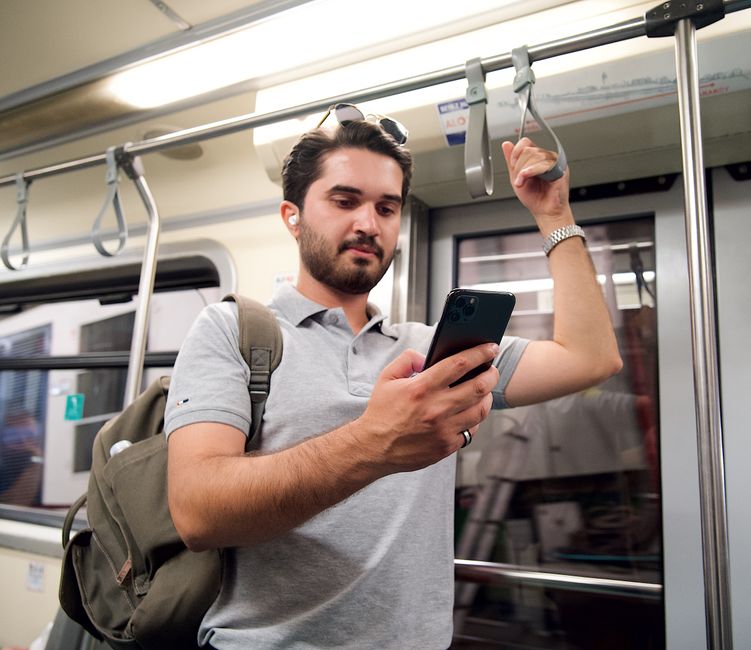
*Photo: iam hogir · Pexels*
The study's findings matter because they arrive during a period of industry uncertainty. Major platforms have invested heavily in video podcast features, sometimes making it feel as though audio-only creators are working with outdated tools. Spotify has added video uploads and promoted them prominently. YouTube has become a significant podcast platform, and its entire model centres on the screen. Some podcasters have felt pressure to add a visual element, even when their content does not naturally call for it.
What the numbers tell creators
For independent podcasters and small teams, this research offers clarity. It suggests that focusing on audio quality, storytelling, and the intimacy of voice remains a valid and valuable approach. You do not need a camera, lighting setup, or video editing skills to reach listeners. The core of the medium has not shifted as dramatically as some industry conversations might suggest.
This does not mean video podcasts have no place. Some shows benefit from a visual component, whether for interviews where facial expressions add depth, for educational content that uses graphics, or for comedy that relies on physical humour. But the data indicates that video is an option, not a requirement. Listeners continue to choose audio because it serves their needs.
The research also speaks to something deeper about how people consume media. In a world saturated with screens, audio offers a form of rest. It lets your eyes wander or close. It does not add to the visual fatigue that comes from hours spent looking at phones, computers, and televisions. For many, podcasts represent a gentler way to take in stories, ideas, and conversations.
*Photo: Thomas Lineweaver · Pexels*
A foundation worth protecting
As podcasting evolves, the challenge for the industry will be expanding without losing what makes the medium special. Video can complement audio, but it should not replace it or become the default expectation. The study's findings suggest that listeners value the original form and continue to choose it overwhelmingly.
For creators at Healthy Mind by Avik and across the wellness space, this matters in particular ways. Mental health conversations often work best in audio form. Listeners can absorb them during walks, before sleep, or in private moments when they need support but do not want to stare at a screen. The voice becomes a steady presence, and the lack of visual distraction allows the words to settle more deeply.
Audio also protects privacy. Someone struggling might not want to watch a video about anxiety or grief in a public space, but they can listen through headphones without anyone knowing. The medium creates a private channel for vulnerable topics, and that intimacy should not be taken for granted.
The research from Nielsen reminds us that podcasting's foundation remains solid. Audio has not become obsolete or secondary. It continues to be how almost every listener experiences the medium, and that consistency offers a clear path forward for creators who want to focus on the essentials: good storytelling, authentic conversation, and the human voice.
For podcasters wondering whether they need to pivot toward video, the answer seems to be that you have permission to stay true to audio if that is where your strengths lie. The audience is still there, still listening, still valuing what only sound can offer.
Based on reporting from podnews.net.


Comments
Loading comments…