
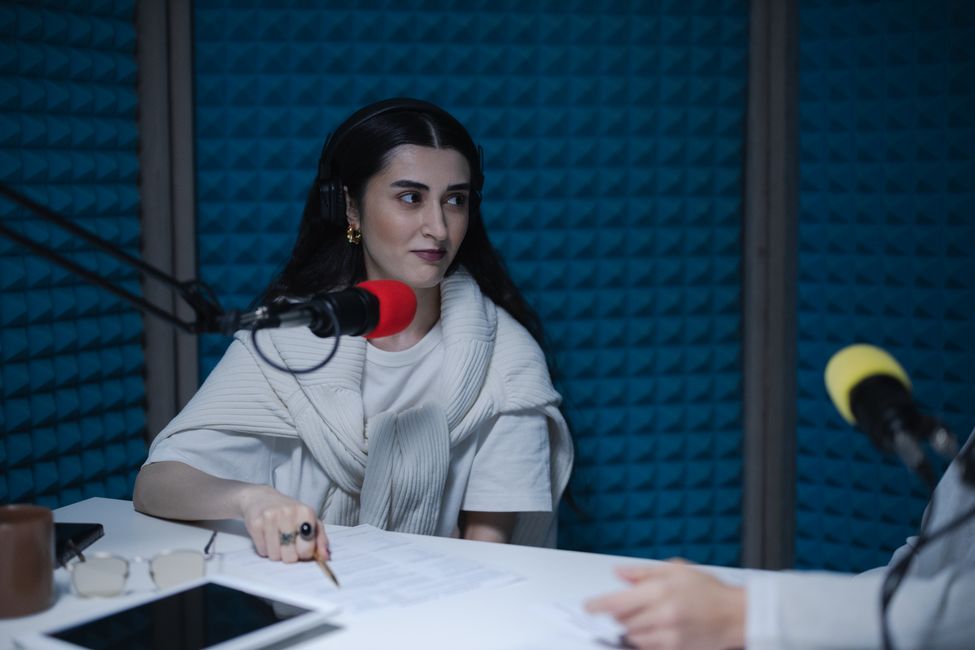
The podcasting world has grown from a grassroots medium into a multimillion-pound industry, and new figures show just how much the biggest names are earning. According to recent data, Spotify now owns four of the top twenty highest-paid podcasters, a sign of how the streaming giant has reshaped the landscape through exclusive deals and acquisitions.
The list of top earners reflects both the commercial power of podcasting and the platform's aggressive strategy to dominate audio content. While the exact earnings figures and names of all twenty podcasters have not been fully disclosed, the presence of four Spotify-owned shows in the top tier underscores the company's willingness to invest heavily in talent and content.
The Spotify effect on podcasting economics
Spotify's entry into podcasting has changed the game for creators at every level. The company has spent hundreds of millions acquiring production companies, signing exclusive deals with high-profile hosts, and building out its podcast infrastructure. These investments have paid off in terms of market share, but they have also created a new tier of podcasting wealth that was unimaginable a decade ago.
For the four shows in the top twenty that Spotify owns, the relationship likely involves some combination of upfront payments, revenue sharing, and production support. Spotify's model has been to lock in popular voices with exclusive agreements, keeping listeners within its ecosystem and away from competitors like Apple Podcasts or YouTube.
This approach has been controversial. Some in the industry celebrate the influx of money and resources, arguing it legitimises podcasting as a serious career path. Others worry that consolidation around a few major platforms could stifle the independent spirit that made podcasting special in the first place.
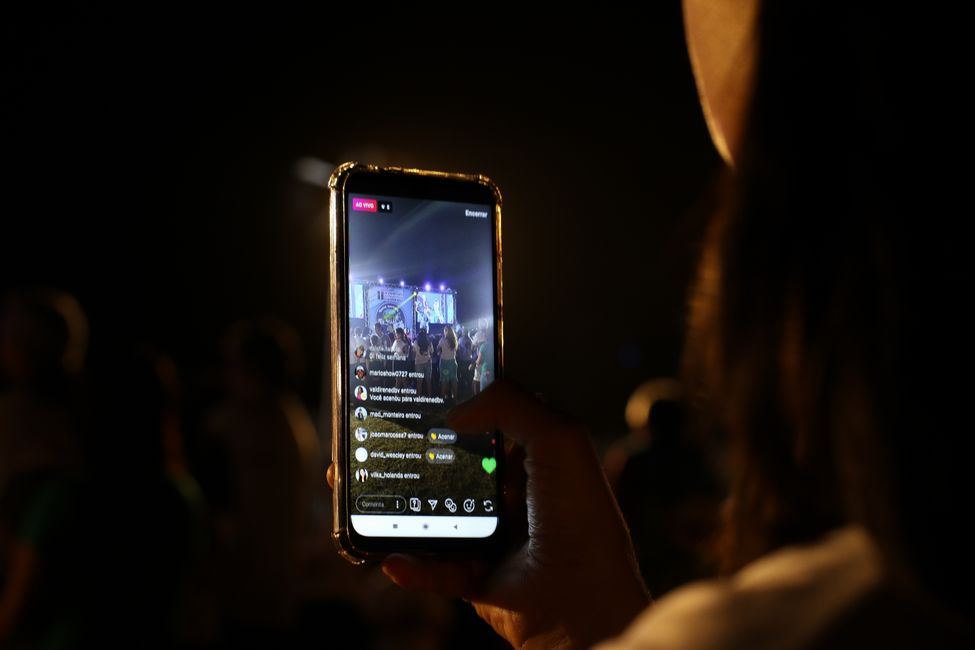
*Photo: Nino Souza · Pexels*
What this means for independent creators
While the top twenty list captures the industry's most lucrative successes, it also highlights the growing gap between the highest earners and everyone else. Most podcasters still operate on shoestring budgets, relying on small sponsorships, listener donations, or their own savings to keep shows running. The average podcaster is not making a full-time income from their work.
The concentration of wealth at the top is not unique to podcasting. It mirrors patterns across creative industries, from music to writing to video content. A small number of creators capture the majority of attention and revenue, while the long tail of smaller shows struggles for visibility and financial sustainability.
For independent podcasters, the news that Spotify controls four of the top twenty earners is a reminder of the platform's influence. Many creators rely on Spotify for distribution, even if they are not signed to exclusive deals. The platform's algorithms, playlist placements, and promotional tools can make or break a show's reach. Understanding how Spotify prioritises content and where it invests its money matters for anyone trying to grow an audience.
At the same time, the success of the top earners shows what is possible. Podcasting remains one of the few media forms where someone can start with nothing more than a microphone and an idea, and potentially build something that reaches millions. The barrier to entry is low, even if the path to the top is steep.
The bigger picture for the industry
The highest-paid podcasters list is more than a curiosity. It reflects broader trends about where the industry is heading. Spotify's dominance suggests that podcasting is increasingly shaped by the same forces that govern other forms of entertainment: big budgets, celebrity talent, and platform control.
This is not necessarily bad news. Investment from major companies has improved production quality, expanded listenership, and brought podcasting into the mainstream. Shows that once sounded like they were recorded in someone's bedroom now have the polish of radio broadcasts. Advertisers who once ignored podcasting now see it as a vital part of their media mix.
But there are trade-offs. As platforms like Spotify consolidate power, they also gain more control over what gets heard and who gets paid. Independent voices may find it harder to break through without the backing of a major network or platform. The diversity of perspectives that made podcasting a refuge from corporate media could narrow if only the biggest players can afford to compete.
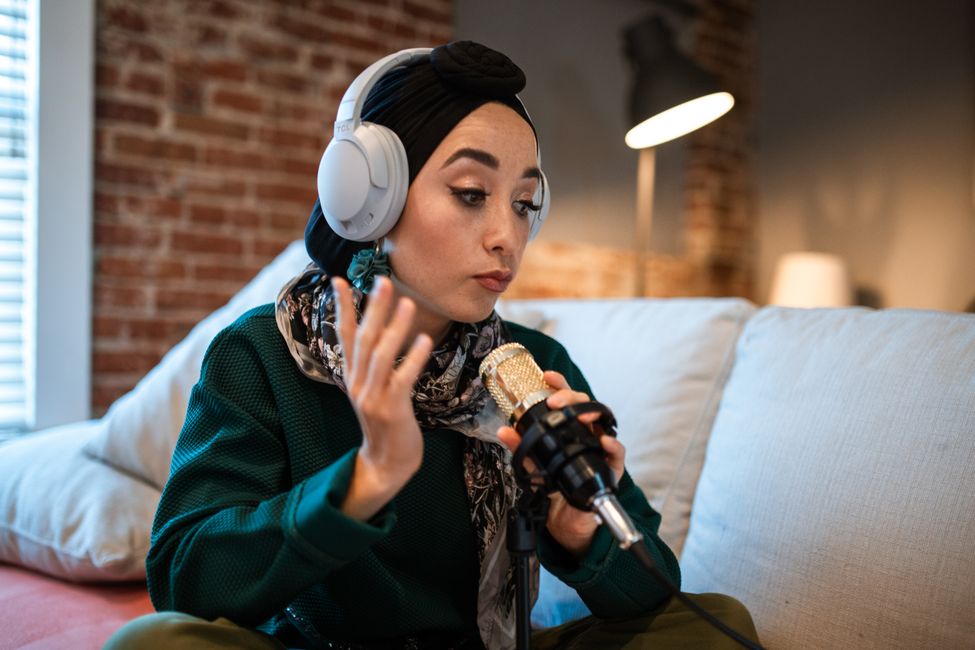
*Photo: RDNE Stock project · Pexels*
For creators and listeners alike, the lesson is that podcasting is maturing. The wild west days of the medium are giving way to a more structured, more commercial landscape. That brings opportunities, but also challenges.
The highest-paid podcasters are proof that the medium can generate real wealth. Spotify's presence in the top twenty shows that the company is betting heavily on audio's future. For everyone else in the ecosystem, the question is how to navigate a world where the biggest voices have the loudest megaphones, and where success increasingly depends on the favour of a few powerful platforms.
Based on reporting from podnews.net.


Comments
Loading comments…