What therapy horses can teach us about building better social robots
Researchers are looking to equine therapy for clues on how to design robots that respond to human emotions, not just follow commands.

When you think about the future of social robots, you might picture sleek machines that answer questions or follow instructions. But researchers are now suggesting we look to a very different kind of helper for inspiration: therapy horses.
A new study argues that interactive robots should become active partners in our lives, responding to human emotion and needs much like therapy horses do in equine-assisted programmes. The shift in thinking challenges the current design of most companion robots, which tend to be passive or reactive rather than truly engaged.
Learning from the stable
Therapy horses have been used for decades to support people dealing with anxiety, trauma, and other emotional challenges. What makes them effective is not just their calm presence, but their ability to read human emotional states and respond accordingly. A horse might step closer when someone is anxious, or mirror a person's breathing to help them regulate their own nervous system.
The researchers behind this work believe these same principles should guide the next generation of social robots. Rather than simply executing commands or providing information on demand, these machines could learn to sense when a person needs support, adjust their behaviour based on emotional cues, and take initiative in offering comfort or companionship.

*Photo: Pavel Danilyuk · Pexels*
This is not about replacing human connection or animal therapy. Instead, it is about recognising that as robots become more common in care settings, homes, and therapeutic environments, they need to do more than perform tasks. They need to participate in a relationship.
From reactive to responsive
The distinction matters. A reactive robot waits for input and then responds. A responsive robot, by contrast, observes, interprets, and acts in ways that acknowledge the emotional landscape of the person it is with. It is the difference between a device that reminds you to take your medication and one that notices you seem overwhelmed and offers a calming presence first.
According to the researchers, this kind of design requires rethinking how we build and programme social robots. It means equipping them with better sensors to read body language, tone of voice, and other emotional signals. It also means teaching them to initiate interactions, not just wait to be addressed.
The therapy horse model offers a blueprint. Horses are acutely sensitive to changes in heart rate, posture, and breath. They respond without judgement, and their presence alone can help people feel safer and more grounded. If robots could embody even a fraction of that sensitivity, they might become genuinely supportive companions rather than glorified assistants.
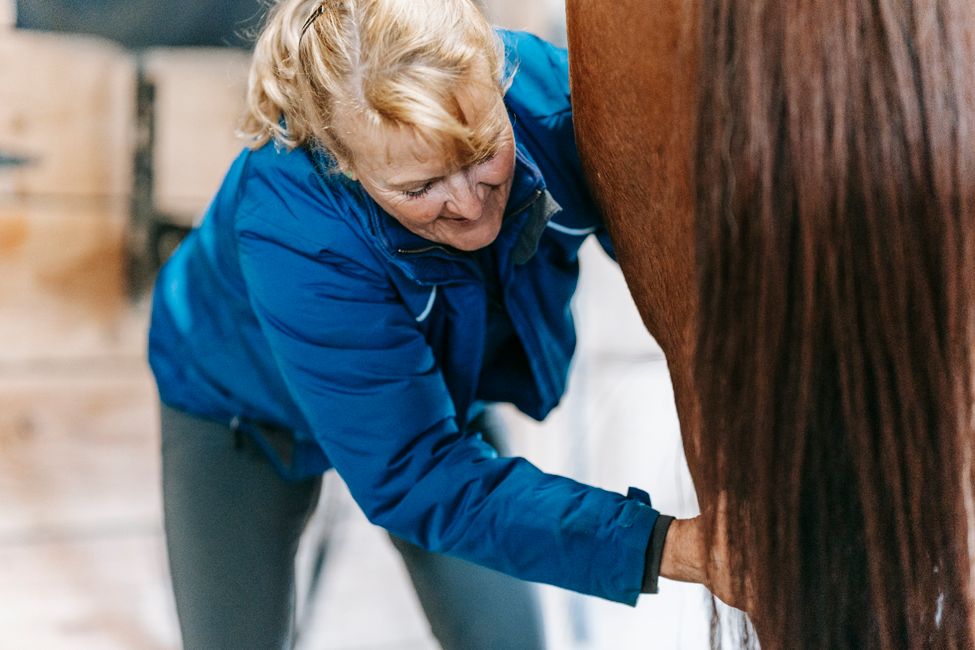
*Photo: Barbara Olsen · Pexels*
Why it matters now
As loneliness and social isolation continue to rise, particularly among older adults and people living alone, the appeal of companion robots is growing. But early versions have often felt hollow or gimmicky, more novelty than support. The challenge is to create machines that feel present in a meaningful way.
The equine-inspired approach suggests that presence is not just about being there, but about being attuned. It is about noticing when someone is struggling and responding with something more than a programmed phrase. It is about creating a sense of partnership, where the robot is not a tool to be used but a companion that participates.
This research also raises important questions about what we want from technology in our most vulnerable moments. Do we want efficiency, or do we want connection? Can a machine ever truly meet emotional needs, or is it simply a bridge when human or animal support is not available?
There are no easy answers, but the conversation itself is valuable. As designers and engineers push the boundaries of what robots can do, they are also being asked to consider what robots should be. Looking to therapy horses offers a reminder that the best support often comes from those who listen, observe, and respond with sensitivity.
A human takeaway
For podcasters exploring themes of technology, connection, and wellbeing, this research opens up rich territory. It invites us to think about the future of care, the role of non-human companions, and what it means to feel truly seen, whether by a person, an animal, or perhaps one day, a thoughtfully designed machine.
The lesson from the stable is simple: presence without awareness is just proximity. True companionship, whether it walks on four legs or rolls on wheels, requires attention, empathy, and the willingness to meet someone where they are.
Based on reporting from sciencedaily.com.



Comments
Loading comments…