
A landmark piece of legislation has just come into effect across the European Union, and it could change how podcasters think about the AI tools they use every day. The EU Artificial Intelligence Act is now law, marking the world's first comprehensive legal framework for artificial intelligence.
For podcasters who've been experimenting with AI for transcription, editing, show notes, or even voice cloning, this matters. The new rules don't ban AI outright, but they do create boundaries around how it can be used, particularly when it comes to transparency and risk.
What the Act actually does
The EU Artificial Intelligence Act takes a risk-based approach to regulating AI systems. It sorts different AI applications into categories based on how much potential harm they could cause, from minimal risk to unacceptable risk.
At the most serious end, certain AI uses are now prohibited entirely in the EU. These include systems that manipulate human behaviour in harmful ways, exploit vulnerabilities, or conduct mass surveillance through facial recognition. For most podcasters, these extreme cases won't apply.
What matters more for creators is the middle ground. AI systems considered "high risk" now face strict requirements around transparency, accuracy, and human oversight. This includes AI used in employment decisions, content moderation at scale, and systems that could significantly affect people's access to services or opportunities.
Then there are the transparency requirements that could touch more everyday podcasting tools. If you're using AI to generate or significantly alter content, the Act requires that people know they're interacting with or listening to AI-generated material. This means voice cloning tools, AI-generated podcast hosts, or heavily AI-edited content may need clear disclosure.

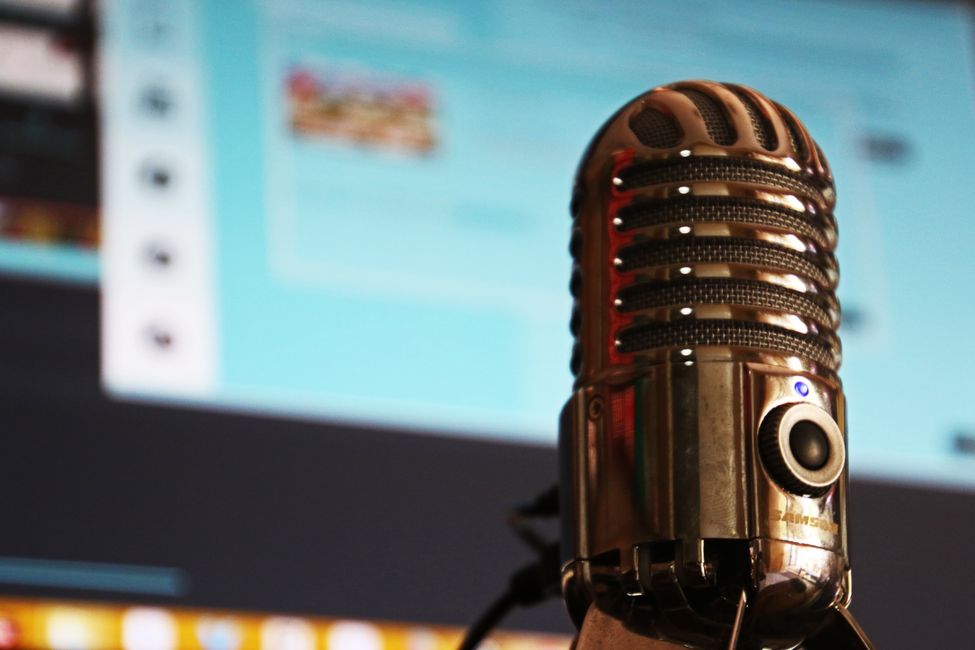
*Photo: Efrem Efre · Pexels*
How this affects podcast workflows
Many podcasters have quietly folded AI into their production process. Speech-to-text for transcripts, AI assistance for research, automated audio cleanup, even AI-generated music beds. Most of these uses fall into the lower-risk categories and won't face heavy regulation.
But the disclosure requirements deserve attention. If you're using AI voice technology to create synthetic speech, or if an AI tool is generating substantial portions of your content rather than just assisting with it, listeners in the EU have a right to know. The exact line between "AI-assisted" and "AI-generated" isn't crystal clear yet, and that ambiguity will likely get tested in the coming months.
For podcasters who work with sponsors or collect listener data, there's another layer. AI systems that process personal information or make automated decisions about audiences could face additional scrutiny. The Act works alongside existing data protection rules like GDPR, adding another consideration for how listener analytics and targeted content get handled.
The law also affects the companies building the AI tools podcasters rely on. Developers of AI systems will need to meet new standards for documentation, testing, and transparency about how their models work. Over time, this could mean the AI services you use come with clearer information about their capabilities and limitations.

*Photo: Brett Sayles · Pexels*
The bigger picture for creators
The EU Artificial Intelligence Act doesn't exist in isolation. It's part of a global conversation about how we live alongside increasingly powerful AI technology. Other countries are watching closely, and similar frameworks may emerge elsewhere.
For independent podcasters, this might feel like one more complicated regulation to navigate. But there's a case for seeing it differently. Clear rules around AI disclosure could actually protect authentic human creators in a landscape where synthetic content is becoming harder to distinguish from the real thing.
If listeners know when they're hearing AI-generated voices or AI-written scripts, human creativity and genuine connection become more valuable, not less. The Act essentially says that transparency isn't optional, and that could end up strengthening trust between podcasters and their audiences.
The practical impact will unfold gradually. Enforcement mechanisms are still being established, and there will inevitably be grey areas and test cases. Podcasters working in or targeting EU markets should keep an eye on how these rules get interpreted, especially around content disclosure.
For now, the simplest guidance is this: if AI is doing more than assisting your work, if it's creating substantial parts of your content or mimicking human voices, tell your audience. That transparency was probably good practice anyway. Now it's also the law in one of the world's largest markets.
The EU Artificial Intelligence Act represents a bet that we can have innovation and accountability at the same time. For podcasters, it's a reminder that the tools we use to tell stories come with responsibilities, especially as those tools grow more sophisticated. The human voice, the genuine connection, the real person behind the microphone—these remain at the heart of what makes podcasting powerful.
Based on reporting from podnews.net.



Comments
Loading comments…