

The landscape of online video is shifting in ways that could reshape how podcasters think about their audiences and distribution strategies. According to new industry insights, TikTok is on track to grow larger than YouTube by the end of this decade, a prediction that highlights just how quickly viewing habits are evolving.
The forecast, reported by Podnews, points to TikTok's rapid trajectory as more than just a passing trend. While YouTube has been the dominant force in online video for nearly two decades, TikTok's explosive growth since its global launch suggests that short-form, algorithm-driven content is increasingly where people choose to spend their time.
What this shift means for content creators
For podcasters who have invested time building a presence on YouTube, this news doesn't mean the platform is going away. YouTube remains a vital space for long-form content, with millions of people turning to it daily for podcasts, tutorials, and in-depth video essays. But the projection does suggest that audience attention is fragmenting in new directions.
TikTok's strength lies in its ability to surface content to users who haven't actively searched for it. The algorithm learns quickly what keeps someone watching, then serves up an endless stream of short videos tailored to those preferences. This creates a very different dynamic from YouTube, where viewers often arrive with intent, searching for specific topics or subscribing to channels they already know.
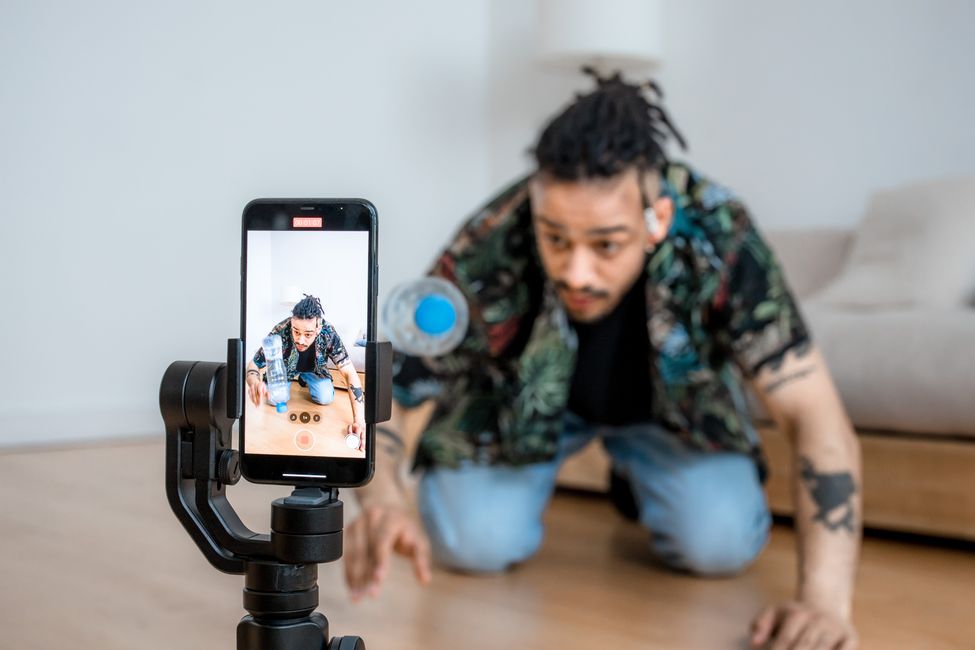
*Photo: Ron Lach · Pexels*
For podcast creators, this raises questions about where to focus energy. YouTube has become an essential platform for many shows, offering discoverability through search and the ability to build loyal subscriber bases. But TikTok offers something else entirely: the chance to reach people who might never think to search for a podcast, but who might stop scrolling when they encounter a compelling clip.
The challenge of adapting content
The rise of TikTok presents both opportunity and challenge. Short-form video requires a different approach than the long-form conversations that define most podcasts. A twenty-second clip needs to hook attention immediately, deliver value or emotion quickly, and ideally leave viewers wanting more. It's a skill set that doesn't always come naturally to creators who thrive in slower, more exploratory formats.
Some podcasters have found success by treating TikTok as a teaser platform, pulling out the most striking moments from episodes and packaging them for quick consumption. Others have struggled to translate their work into a format that feels native to the platform without losing what makes their show unique.
There's also the question of where these platforms fit into a creator's overall strategy. Building an audience on TikTok doesn't automatically translate to podcast downloads. The path from a viral TikTok video to a new subscriber is less direct than the journey from a YouTube video, where a viewer might simply click through to the full episode or hit subscribe on the same platform.

*Photo: Lukas Blazek · Pexels*
Attention is the real currency
What this forecast really highlights is the ongoing competition for human attention. Both YouTube and TikTok are fighting for the same finite resource: the hours people have available to watch content. As TikTok grows, it doesn't just take market share from YouTube. It takes time that might have been spent listening to podcasts, reading, or doing anything else.
For podcasters, this means thinking carefully about where audiences are and how they consume content. It's not necessarily about being everywhere at once, but about understanding where your particular audience spends time and what formats resonate with them.
The prediction that TikTok will overtake YouTube also speaks to broader changes in how people relate to media. Shorter attention spans, algorithm-driven discovery, and the appeal of endlessly scrolling through bite-sized content are shaping a generation of viewers who may approach podcasts differently than those who came before them.
This doesn't mean long-form content is dying. Podcasts continue to grow, and many listeners value the depth and intimacy of hour-long conversations. But it does mean that reaching new audiences might require meeting them where they are, in the formats they prefer, before inviting them into longer experiences.
The next few years will reveal whether this forecast holds true, and what it means for creators trying to build sustainable audiences across multiple platforms. For now, the message is clear: the ground is shifting, and staying relevant means paying attention to where people choose to spend their time.
Based on reporting from podnews.net.


Comments
Loading comments…