Thousands may be living with undiagnosed genetic condition tied to autism
New research suggests a syndrome once thought rare could affect far more people than we knew, many still waiting for answers.
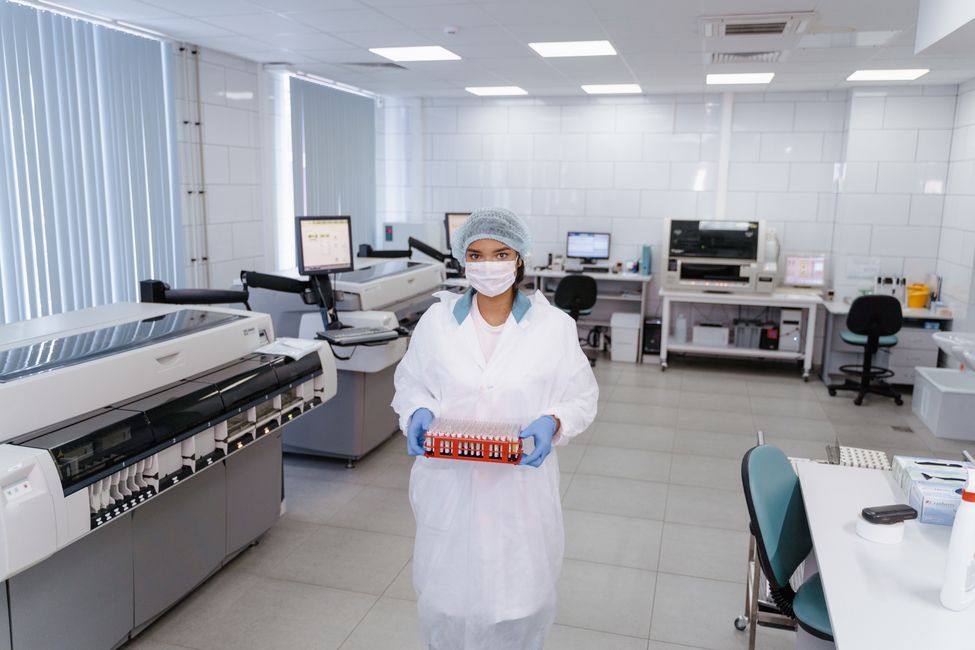
A genetic condition long considered rare may actually touch the lives of tens of thousands of Americans, according to new research that challenges what scientists have believed for years. Phelan-McDermid syndrome, a disorder closely associated with autism, could affect roughly 1 in every 7,300 people, making it far more common than previous estimates suggested.
The finding carries weight beyond the numbers. If the analysis holds true, more than 45,000 people in the United States alone may be living with this condition, and many of them don't know it yet. The gap between actual cases and diagnosed cases appears wide, and researchers point to one likely reason: genetic testing simply isn't happening often enough.
When testing doesn't happen, answers don't come
The syndrome occurs when a small section of chromosome 22 is deleted or altered, typically affecting a gene called SHANK3. People with Phelan-McDermid syndrome often experience developmental delays, difficulty with speech, and characteristics that overlap with autism spectrum disorder. But without genetic testing, these symptoms can be attributed to autism or other developmental conditions without identifying the underlying genetic cause.
That lack of diagnosis matters more now than it once did. Clinical trials for targeted treatments are currently underway, meaning some families might be missing out on therapies designed specifically for this genetic profile. When someone receives a general autism diagnosis but the genetic component goes undetected, they remain invisible to researchers developing these new interventions.

*Photo: cottonbro studio · Pexels*
The new analysis represents a major shift in understanding. For years, Phelan-McDermid syndrome sat in medical textbooks under the category of rare disorders, the kind that specialists might see only occasionally in their careers. This research suggests the reality looks different. The condition may be hiding in plain sight, present in communities and families who have searched for explanations but haven't been offered the right test.
Why the numbers matter for real families
Behind the statistics are people who have spent years navigating systems that couldn't name what they were experiencing. Parents who have asked questions and hit dead ends. Adults who have sensed something specific about their neurology but lacked the framework to understand it. A more accurate count of how many people carry this genetic variation changes what we ask for in research funding, in clinical care, and in support services.
The timing of this research also intersects with a broader conversation about genetic testing in developmental conditions. As technology improves and costs come down, testing becomes more accessible. But access alone doesn't guarantee that doctors will order the tests or that insurance will cover them. Many families still face barriers, and in some cases, testing isn't suggested at all during an autism evaluation.
What the researchers emphasise is the gap between how many people likely have Phelan-McDermid syndrome and how many have received that specific diagnosis. That gap represents missed connections, both to appropriate care and to communities of others with the same genetic profile. For some families, a precise diagnosis brings relief, even when it doesn't change the day-to-day challenges. It offers a name, a community, and sometimes a clearer path forward.



Comments
Loading comments…