

There's a conversation happening in the podcasting world that might sound technical at first, but it touches something fundamental: how do we know when someone has actually listened to a show?
The question centres on a threshold. For years, many analytics platforms have counted a download as a "listen" if someone plays at least 60 seconds of an episode. Now, some are considering whether 30 seconds might be a better measure. It sounds like a small detail, but for podcast creators trying to understand their audience, it could change everything.
Why the number matters
When you publish a podcast episode, you want to know if it's reaching people. Downloads tell you how many times the file was requested, but that's not the whole story. Someone might download an episode and never press play. Or they might start it, realise it's not what they expected, and stop after a few seconds.
The listening threshold is an attempt to answer a more meaningful question: did this person actually engage with the content? Sixty seconds has been a standard for a while, a kind of industry agreement that if someone listens for a full minute, they're probably genuinely interested. Thirty seconds, on the other hand, would capture a wider group, including people who sampled the episode more briefly.
According to Podnews, this shift is now being actively discussed. If platforms move to the shorter threshold, creators might see their listener numbers go up. That could feel encouraging, but it also raises questions about what those numbers actually represent.

*Photo: Kindel Media · Pexels*
What changes for creators
For podcasters, especially those just starting out or running smaller shows, analytics are more than vanity metrics. They help you understand what's working. Which episodes resonate? When do people drop off? Are listeners coming back?
If the threshold shifts from 60 to 30 seconds, you might suddenly see a bump in your stats. That could be useful information. It might reveal that more people are sampling your show than you realised, even if they're not staying for the full episode. Or it might just add noise, making it harder to distinguish between someone who gave your podcast a real chance and someone who clicked away almost immediately.
There's also the advertising side. Podcast ads are often sold based on listener numbers, and sponsors want to know their message is reaching real people. A 30-second threshold could inflate those numbers, which might sound good on paper but could also lead to questions about value and engagement. Transparency becomes even more important.
A human measure for a human medium
What makes podcasting special is the intimacy of it. People listen while they're walking, cooking, commuting, winding down at night. It's a medium built on trust and connection, and the best shows create a sense of being in conversation, even when it's one-way.
Counting that connection has never been straightforward. Unlike a website where you can track every click, or a video platform where you can see exactly when someone pauses, podcasting happens in all kinds of apps and contexts. The data is messier, more fragmented. The listening threshold is one way the industry has tried to bring some consistency to that messiness.
But no single number can capture the full picture. Someone might listen to 30 seconds of one episode and decide it's not for them, and that's okay. Someone else might listen to every minute of every episode you make, and that's a different kind of relationship. Both are real, both are valuable in their own way.
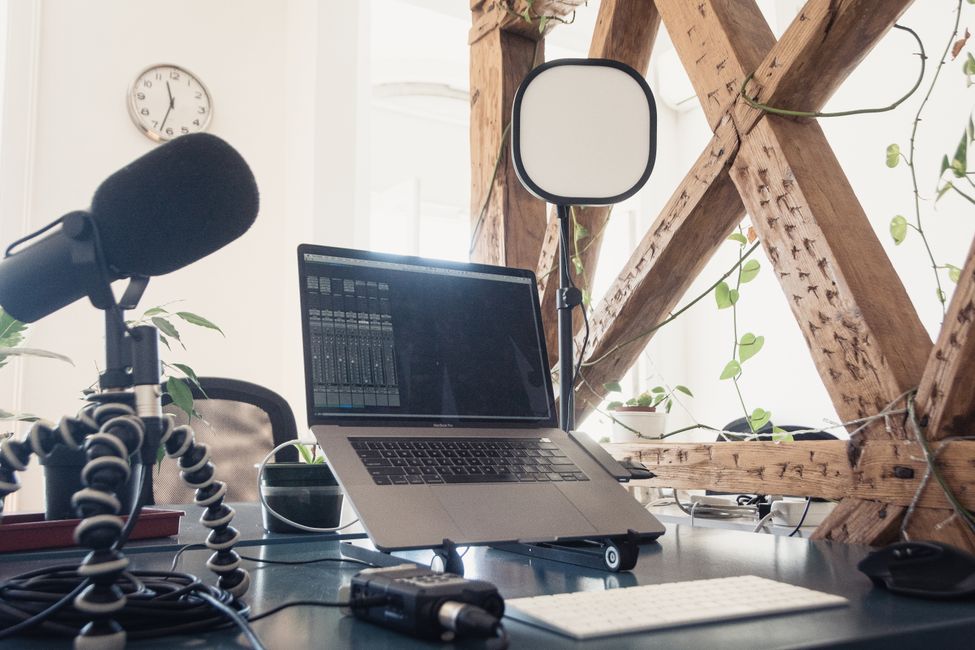
*Photo: Jeremy Enns · Pexels*
Why it matters
For creators at Healthy Mind by Avik and beyond, this shift is a reminder to stay grounded in what the numbers actually mean. If your analytics change, it doesn't necessarily mean your show has changed, or that your audience has grown or shrunk in any real sense. It might just mean the measurement has shifted.
What remains constant is the work itself: making something thoughtful, showing up consistently, and trusting that the people who need to hear what you're saying will find you. The best podcasts aren't chasing thresholds or trying to game the system. They're built on something more durable, a genuine desire to connect and share something meaningful.
As the podcasting industry matures, these technical conversations will keep happening. Standards will evolve, platforms will experiment, and creators will have to navigate the changes. But the heart of podcasting, that quiet space where a voice meets a listener, remains beautifully simple. Whether someone stays for 30 seconds or 30 minutes, what matters most is that the time they spend feels worth it.
Based on reporting from podnews.net.



Comments
Loading comments…