The "lizard brain" myth that shaped psychology for decades may be wrong
New research is overturning a 70-year-old idea about how our brains evolved, with surprising implications for how we think about thinking itself.

For most of the past century, a tidy story about the human brain has shaped how we think about our minds. The idea goes like this: deep inside our skulls sits an ancient "lizard brain" that handles our most primitive impulses, fear, aggression, survival. Wrapped around it are newer layers that evolved later, the parts that let us reason, plan, and override our base instincts. It's a picture that has influenced everything from therapy models to management training, the notion that we're essentially rational beings struggling against an inner reptile.
Now, researchers are saying that story is deeply misleading. The actual pattern of brain evolution appears to be far more nuanced, and understanding it better may change how we think about our own behaviour and emotions.
A different kind of evolutionary trade-off
The new findings suggest that evolution doesn't simply stack new brain structures on top of old ones like floors in a building. Instead, it appears to balance two competing styles of wiring throughout the brain, expanding one while shrinking the other depending on what helps a particular animal survive.
This isn't about primitive versus advanced. It's about different strategies for processing information, both of which exist across the animal kingdom in varying proportions. The research challenges the influential "triune brain" model proposed in the 1960s, which divided the brain into reptilian, mammalian, and human layers. That model became popular partly because it offered an intuitive explanation for why we sometimes feel torn between emotion and reason, but the biology underneath turns out to be more complex.
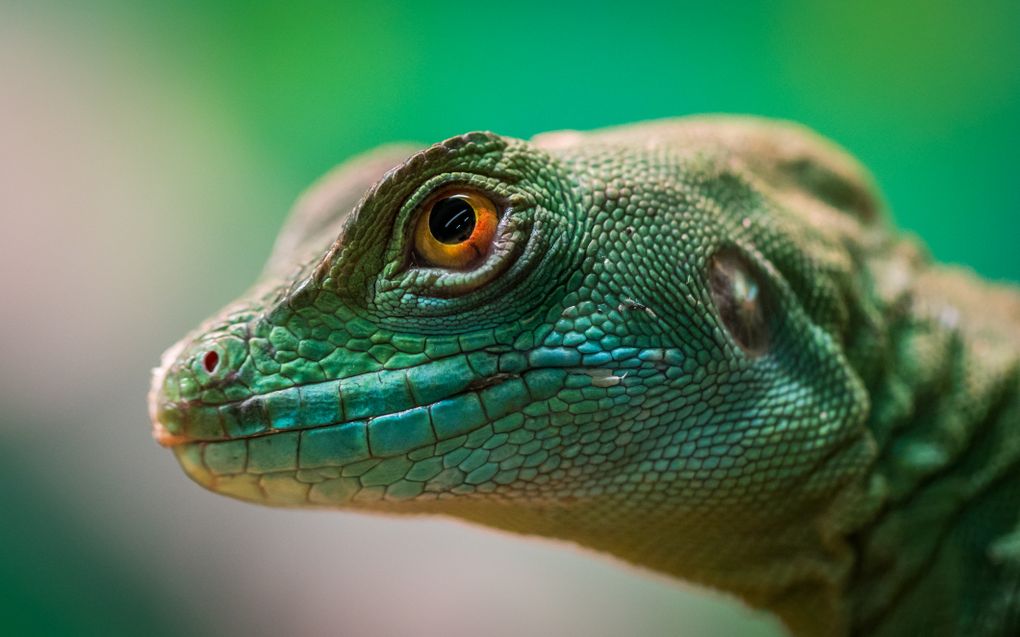
*Photo: Egor Kamelev · Pexels*
What this means for the inner conflict we feel
The old lizard brain story gave us a convenient way to explain our struggles. Feeling anxious before a presentation? That's your lizard brain seeing a threat. Can't resist scrolling social media when you should be working? Your primitive impulses are winning. It's a narrative that can feel validating, it says our difficulties aren't really our fault, they're evolutionary baggage.
But if the science behind that story doesn't hold up, we might need to rethink those explanations. Our emotional responses and our capacity for reflection aren't neatly divided between ancient and modern brain regions. They're woven together in ways that reflect millions of years of animals adapting to different challenges, not a simple progression from simple to complex.
This doesn't mean our struggles aren't real or that evolution doesn't influence behaviour. It means the relationship between our biology and our experience is more intricate than a three-layer model suggests. The parts of our brain that process fear or reward aren't primitive holdovers we need to overcome. They're sophisticated systems that evolved alongside everything else, doing jobs that still matter.

*Photo: Vitaly Gariev · Pexels*
Why outdated models matter
It might seem like an academic distinction, something for neuroscientists to debate while the rest of us get on with our lives. But the frameworks we use to understand our minds shape how we relate to ourselves and each other. If we believe we're rational minds fighting primitive urges, we might judge ourselves harshly when emotions feel overwhelming. We might see our own reactions as failures of control rather than as information worth listening to.
The emerging picture is messier but perhaps more compassionate. Our brains aren't battlegrounds between old and new, animal and human. They're integrated systems shaped by countless generations of creatures solving different problems in different environments. What looks like a conflict between emotion and reason might be different parts of a whole system weighing different kinds of information, both valuable, both evolved, both part of being human.
For people interested in mental wellness, this shift in understanding could matter quite a bit. It suggests that the goal isn't to suppress or overcome certain parts of ourselves, but to understand how different aspects of our experience work together. It validates that our emotional responses have their own intelligence, even when they feel inconvenient or uncomfortable.
The research is still unfolding, and scientists will continue refining our picture of how brains evolved and how they work. But this challenge to the lizard brain myth is a reminder that the stories we tell about our minds shape our relationship with them. Getting those stories right, or at least closer to right, helps us meet ourselves with more curiosity and less judgment.
Based on reporting from sciencedaily.com.

Comments
Loading comments…