The Invisible Language of When We Look
New research shows that the timing of eye contact carries hidden meaning—and our brains respond to it whether we're looking at a person or a robot.

We all know eye contact matters. It builds trust, signals attention, shows we're listening. But what if the real power isn't in whether we make eye contact, but in the precise moment we choose to look?
Researchers at Flinders University have uncovered something quietly profound about how humans read each other's gaze. Their study reveals that we're wired to pick up on subtle patterns in when someone looks at us—and that these patterns can completely change how we interpret what another person needs from us.
The timing that changes everything
The research team created a series of interactions between human participants and virtual partners displayed on screens. Some of these partners appeared human, others clearly robotic. What mattered wasn't their appearance, but the sequence of their glances.
The scientists discovered a specific gaze pattern that made people far more likely to interpret a look as a request for help. It wasn't about staring longer or looking more intensely. It was about the rhythm and order of the glances—a kind of invisible grammar that our brains seem hardwired to understand.
What makes this finding particularly striking is that participants responded the same way whether they thought they were interacting with a human or a robot. Our brains appear to process these social cues automatically, beneath the level of conscious thought.
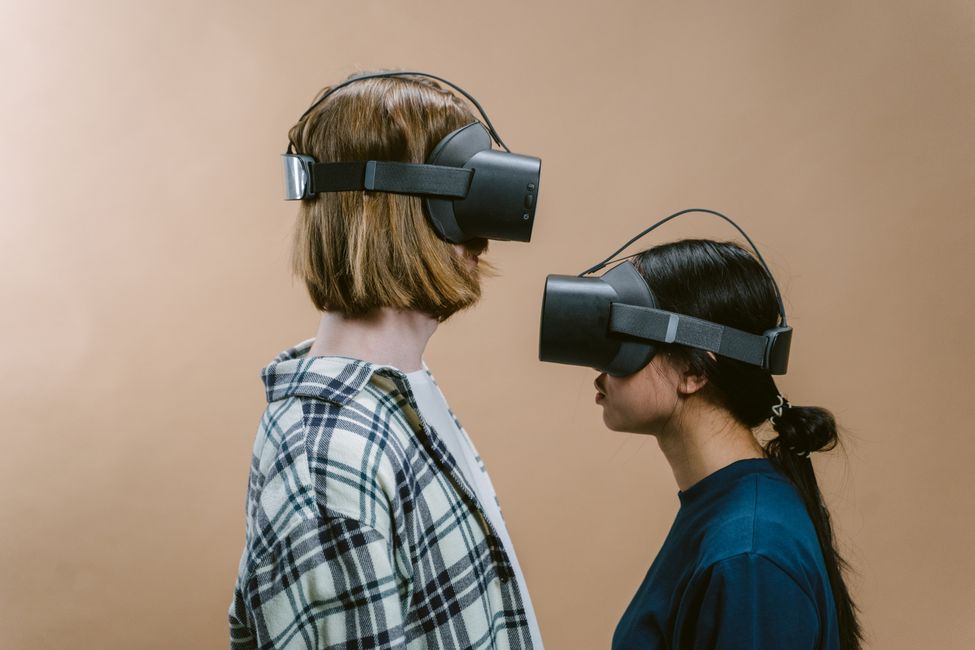
*Photo: Tima Miroshnichenko · Pexels*
What our eyes are actually saying
The implications stretch beyond simple eye contact advice. This research suggests that human connection operates on layers we barely notice. We're constantly broadcasting and receiving signals through the timing of our attention—when we look away, when we look back, how long we hold someone's gaze before breaking it.
Think about the last time someone seemed to need something from you without saying a word. Chances are, you picked up on it through exactly this kind of patterned attention. The research gives scientific weight to what many of us sense intuitively: that there's a language in our looking, and we're all fluent in it without ever being taught.
The fact that we respond identically to human and robotic partners tells us something important about how deeply embedded these responses are. They're not learned social niceties we pick up from our culture. They appear to be fundamental to how our brains process social information.
Why podcasters should pay attention
For anyone working in audio storytelling or conversation, this research offers a reminder that human connection runs on multiple channels at once. When we're recording interviews or having meaningful conversations, we might be focusing on words and tone, but our guests are also reading our attention through our gaze patterns.
The virtual nature of the study also has direct relevance for our increasingly digital lives. As more conversations happen through screens—whether in video calls, virtual meetings, or emerging technologies—understanding how gaze timing affects connection becomes crucial. The research suggests that even when we're not physically present, these timing patterns still matter.

*Photo: cottonbro studio · Pexels*
For wellbeing, the findings point to something hopeful. Connection isn't just about getting the big gestures right. It lives in the small, mostly unconscious rhythms of how we pay attention to each other. When we're genuinely present with someone, our natural gaze patterns likely already communicate care and availability. When we're distracted or emotionally distant, those patterns shift in ways others can sense, even if neither of us could put it into words.
The research also offers insight into why some interactions feel off even when nothing obvious is wrong. If someone's gaze timing doesn't match their words—if they're saying they're listening but their eyes tell a different story—we pick up on that mismatch at a level we might not be able to articulate.
What it means for how we connect
This study invites us to pay attention to our attention itself. Not in a self-conscious way that makes every interaction feel performed, but with awareness that our presence communicates through channels we don't fully control.
The next time you're in conversation with someone who matters to you, notice not just whether you make eye contact, but the natural rhythm of it. Notice when you look, when you look away, when you come back. There's a quiet language happening there, older than words, that both of you understand perfectly well.
For creators, therapists, teachers, and anyone whose work involves human connection, these findings are a reminder that we're always communicating more than we think we are. And for all of us, it's a small reassurance that connection doesn't require perfect technique—just genuine attention, offered in the right rhythm.
Based on reporting from sciencedaily.com.



Comments
Loading comments…