The dinner table anxiety we all share but rarely talk about
New research shows we're far more worried about eating first than anyone watching actually minds.
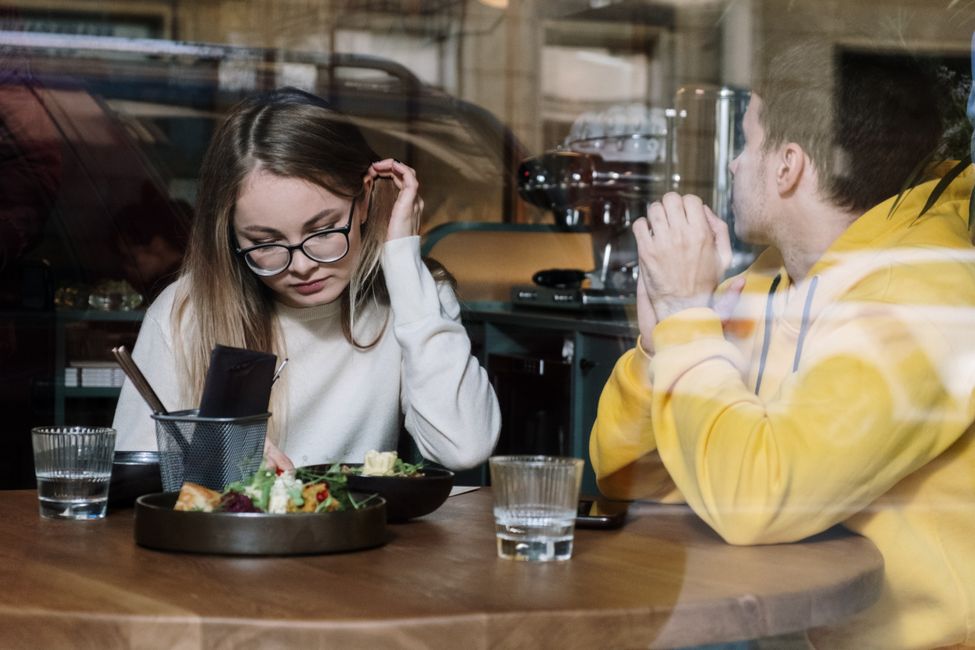
There's a small moment of tension that happens at restaurants everywhere. Your meal arrives steaming and ready. Everyone else's is still being prepared. Do you start eating, or do you wait? Most of us wait, convinced it's the polite thing to do. But new research suggests this common courtesy might be creating more discomfort than it prevents.
Researchers have found that the awkwardness of breaking the "wait until everyone is served" rule exists almost entirely in our own heads. We vastly overestimate how uncomfortable others feel watching us eat when our food arrives first. The gap between our anxiety and their actual feelings turns out to be surprisingly wide.
The politeness paradox
The study reveals something curious about social dining. When we're the ones whose meal arrives early, we feel intense pressure to wait. We worry about seeming rude, selfish, or inconsiderate. That internal discomfort is real and measurable. But when we're on the other side, watching someone else's food grow cold out of deference to us, we don't actually mind nearly as much as we'd expect.
This mismatch creates what researchers call a politeness paradox. We sacrifice our own experience, our hot meal, our enjoyment, based on a concern that turns out to be largely imagined. The person we're trying to protect from awkwardness isn't nearly as bothered as we fear they'll be.
What makes this even more interesting is that even explicit permission doesn't fully solve the problem. When someone tells you to go ahead and start eating, you might pick up your fork, but the discomfort often lingers. Knowing intellectually that it's fine doesn't always override the deeply ingrained social script we've learned about waiting.
*Photo: Tima Miroshnichenko · Pexels*
Why we wait
The impulse to wait makes sense when you consider how we learn table manners. From childhood, many of us are taught that starting before others is impolite. It signals impatience, selfishness, a lack of consideration. These lessons stick with us, becoming automatic responses we don't question.
There's also something vulnerable about being the only one eating. You're chewing, focused on your plate, while others watch. It breaks the rhythm of conversation and shared experience. Meals are meant to be communal, and eating alone at a full table feels like a small betrayal of that principle.
But the research suggests these concerns are overblown. The people around you are generally more understanding than you give them credit for. They know restaurant timing is unpredictable. They don't want your food to get cold. They're likely thinking about their own incoming meal more than scrutinising your choice to start.
A simpler solution
The findings point toward a straightforward answer: restaurants could reduce this entire category of social anxiety by serving everyone at once. When all the plates arrive together, nobody has to choose between politeness and practicality. Nobody has to navigate the awkward mathematics of who feels what level of discomfort.
For diners, this research offers a kind of permission. If you're the one whose food arrives first, you can probably start eating with less guilt than you think. The person across from you likely minds less than you fear. And if you're waiting for your meal while someone else's sits ready, you might consider actively encouraging them to begin. Your reassurance can help, even if it doesn't eliminate all their discomfort.



Comments
Loading comments…