Strokes in younger adults have nearly doubled in three decades, and the reasons remain unclear
More people in their twenties to fifties are experiencing strokes than ever before, a worrying shift that researchers are still working to understand.
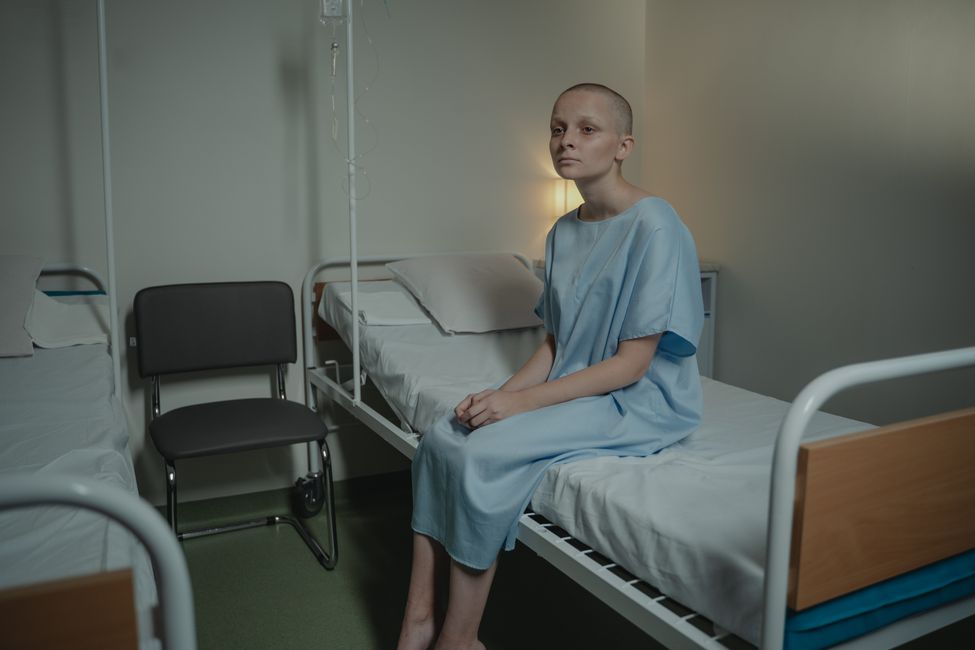
A troubling pattern has emerged in stroke data over the past thirty years. Young and middle-aged adults are experiencing strokes at nearly twice the rate they once did, and scientists are still piecing together why this shift is happening.
The change affects people between the ages of 20 and 54, an age range most wouldn't associate with stroke risk. Where strokes were once seen primarily as a concern for older populations, this research shows the landscape has shifted significantly over nearly three decades. The findings come from researchers who tracked stroke patterns and outcomes, revealing both worrying trends and some reasons for cautious hope.
What's driving the increase
A significant portion of the rise comes from strokes caused by blocked blood vessels in the brain. These blockages prevent oxygen-rich blood from reaching brain tissue, and they've become notably more common in younger people.
Beyond the blockages themselves, researchers identified several risk factors that have become more prevalent among younger stroke patients. High blood pressure showed up more frequently in this age group, as did diabetes. Substance use also emerged as a more common factor among younger adults experiencing strokes.
What the research doesn't yet explain is why these risk factors are concentrating in younger populations now. The gap between observation and explanation is where scientists continue to work, looking for patterns in lifestyle, environment, diet, stress, or other factors that might account for such a marked change over three decades.

*Photo: MART PRODUCTION · Pexels*
The reality of surviving younger
There is one piece of positive news within these findings. Survival rates for stroke patients have improved across the board, including among younger adults. Medical advances, faster response times, and better treatment protocols mean more people are living through events that might once have been fatal.
But survival comes with its own complicated reality. Strokes can leave lasting impacts on physical function, speech, memory, and emotional wellbeing. When these events happen to someone in their twenties, thirties, or forties, the timeline of recovery and adaptation stretches across what should be peak working years, parenting years, or formative life stages.
A stroke at 45 is different from a stroke at 75, not because the medical event itself is fundamentally different, but because of where it lands in a person's life. Younger survivors may face decades of managing the aftermath, navigating rehabilitation, adjusting careers, and rethinking futures they'd imagined differently. The emotional weight of that adjustment is substantial, even when the stroke itself is considered mild.
What we're left to consider
The research raises more questions than it answers right now. Why are blocked blood vessels becoming more common in people who are decades away from traditional stroke age? Why are high blood pressure and diabetes showing up earlier? Is something changing in how we live, what we eat, how we move, or how much stress we carry?
These aren't just medical curiosities. They're questions about the world we've built and the bodies we're living in. The answers will likely be complex, involving everything from healthcare access to food systems to the pace and pressure of modern life.
For now, what we know is this: strokes are no longer something that happens to other people, to older people, to someone else's demographic. They're happening to people in the middle of raising families, building careers, and expecting decades of healthy life ahead.

*Photo: Vitaly Gariev · Pexels*
Why this matters
For anyone creating content about health and wellbeing, this research is a reminder that our assumptions about age and risk don't always hold. The story of who gets sick and when is shifting, and our conversations need to shift with it.
It also speaks to something deeper about how we think about prevention and awareness. If the traditional markers of stroke risk no longer predict who will be affected, then broader conversations about blood pressure, blood sugar, substance use, and overall cardiovascular health become relevant much earlier in life.
The doubling of stroke rates in younger adults over three decades is not a small statistical blip. It represents real people whose lives have been altered, often unexpectedly and often with long roads ahead. As scientists work to understand the why, the rest of us are left to sit with the reality that health crises we once thought were distant can arrive much sooner than we imagined.
Based on reporting from sciencedaily.com.



Comments
Loading comments…