Shingles Vaccination May Help Lower Dementia Risk, Large Study Suggests
New research links the Shingrix vaccine to a significant reduction in dementia diagnoses among older adults over a four-year period.

A vaccine already given to protect against shingles may offer an unexpected benefit: reducing the risk of dementia in older adults. New research has found that people who received the Shingrix vaccine were nearly a quarter less likely to develop dementia over four years compared to those who did not get vaccinated.
The findings come from a study of more than half a million people, offering one of the largest looks yet at the potential connection between vaccination and brain health. While the research does not prove the vaccine directly prevents dementia, the scale of the data and the size of the effect have caught the attention of researchers studying how we might protect cognitive function as we age.
What the Research Found
The study tracked adults who received the Shingrix vaccine and compared their dementia diagnoses to a similar group who had not been vaccinated. Over four years, those who got the vaccine showed a twenty-four percent lower rate of dementia diagnosis.
To put that in more tangible terms, researchers estimate this translates to roughly one case of dementia prevented for every seventeen people vaccinated. For a condition that currently has no cure and limited treatment options, even a modest reduction in risk at the population level could mean thousands of families spared from its impact.
The Shingrix vaccine has been available since 2017 and is recommended for adults over fifty to prevent shingles, a painful rash caused by the reactivation of the chickenpox virus. It is a recombinant vaccine, meaning it uses a piece of the virus rather than a live or weakened form, and is considered highly effective at preventing shingles.
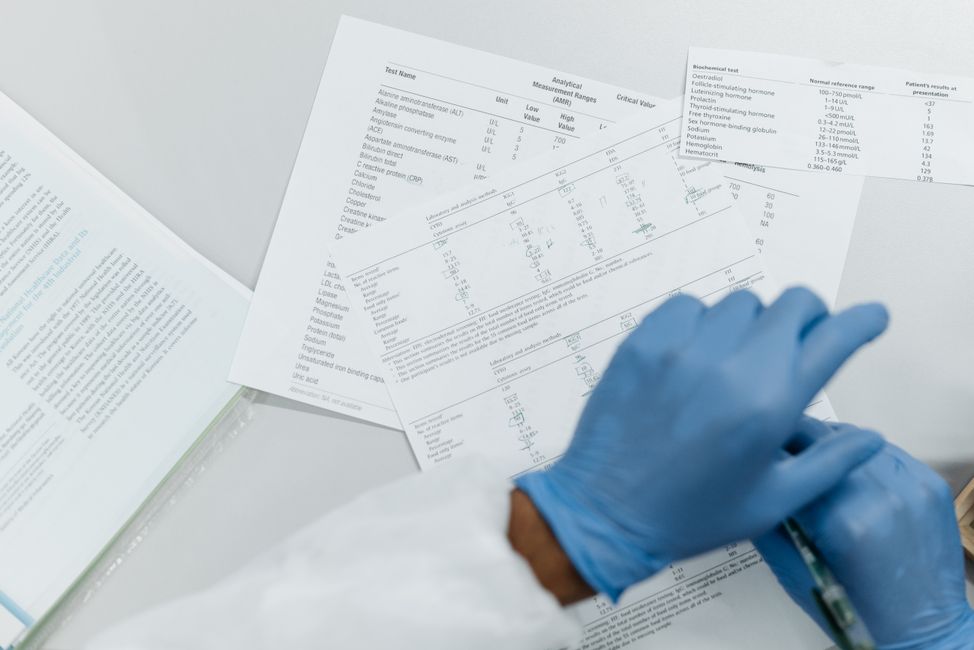
*Photo: Pavel Danilyuk · Pexels*
Why This Connection Matters
The link between vaccines and dementia risk is not entirely new. Earlier studies have hinted that other vaccines, including the flu shot, might also be associated with lower dementia rates. What remains unclear is exactly how this protective effect might work.
One possibility is that vaccines reduce inflammation in the body and brain. Chronic inflammation is thought to play a role in many neurodegenerative diseases, including Alzheimer's disease. By preventing infections like shingles, which can trigger significant immune responses, vaccines might help keep that inflammation in check.
Another theory is that preventing infections protects the brain more directly. Some research has suggested that viruses and other pathogens may contribute to brain changes that lead to dementia. Shingles itself, caused by the varicella-zoster virus, has been studied for its potential impact on the nervous system.
It is also possible that people who get vaccinated are simply healthier overall or have better access to healthcare, which could account for some of the difference. However, researchers typically try to account for these factors when designing large studies like this one.



Comments
Loading comments…