Scientists find the brain's resilience switch, opening new doors for mental health care
Research into stress reveals how our brains adapt long after difficult moments, and why some of us bounce back more easily than others.
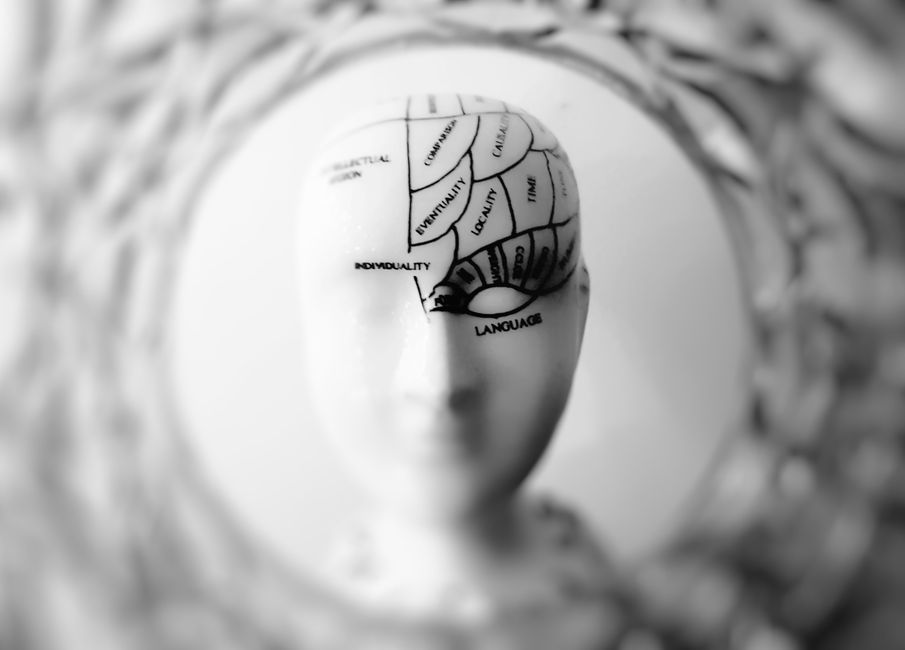
For years, mental health treatment has focused on what goes wrong in the brain. Now, a team of scientists is flipping that question on its head. Instead of asking why some people struggle after stress, they're asking why others don't.
The research reveals something quietly remarkable: our brains contain natural systems that help us stay steady through hard times. Understanding these systems could change how we approach mental wellness, shifting from fixing damage to building strength from the start.
How stress leaves its mark
The team studied what happens in the brain when we face stressful experiences. They found that stress doesn't just affect us in the moment. It triggers molecular changes that can shape how we think, feel, and respond long after the difficult experience has passed.
These changes happen at a deep level, altering the way our brain cells communicate and respond to the world around us. It's a bit like how a path through grass becomes worn over time. The more we walk it, the more defined it becomes. Stress can create similar pathways in our brains, influencing our behaviour weeks or even months later.
But here's where it gets interesting. Not everyone responds the same way. Some people face the same stressful situations and seem to emerge relatively unscathed. The researchers wanted to know why.

*Photo: Naro K · Pexels*
The resilience factor
What they discovered was a kind of built-in protection system. Certain molecular processes in the brain appear to act as a buffer, helping some individuals resist the long-term effects of stress. It's not that these people don't feel the difficulty of what they're going through. It's that their brains have natural mechanisms that prevent stress from rewiring their responses in harmful ways.
This discovery is significant because it suggests resilience isn't just about mindset or willpower. There are biological processes at work, systems we didn't fully understand until now. And if we can identify these protective mechanisms, we might be able to support them or even activate them in people who need help.
The implications stretch beyond individual treatment. The findings point toward a future where mental health care doesn't wait for crisis. Instead of only treating symptoms after they appear, we might learn to strengthen the brain's natural defences before stress takes its toll.
A shift in how we think about treatment
This research represents a fundamental change in perspective. Traditional approaches to mental health have often focused on correcting imbalances or treating specific symptoms. This new direction asks: what if we could help people develop stronger internal resources from the beginning?
It's not about replacing current treatments. Therapy, medication, and other interventions remain vital for many people. But this work suggests we might add another layer, one that builds on what's already working well in the brain rather than only addressing what isn't.

*Photo: MART PRODUCTION · Pexels*
The researchers are also part of a larger movement to keep scientific work open and accessible. They believe that discoveries about mental health shouldn't be locked away behind paywalls or corporate interests. By sharing their findings broadly, they hope to spark collaboration and speed up the journey from laboratory insight to real-world help.
This commitment to open science matters especially in mental health, where stigma and misinformation already create too many barriers. When research is transparent and accessible, it builds trust. It allows other scientists to verify findings, clinicians to apply them thoughtfully, and the public to understand what's actually known versus what's speculation.
Why this matters now
We're living through a time when mental health challenges feel more visible and more urgent than ever. Many people are searching for answers, for hope, for something that works. This research doesn't offer a quick fix, but it does offer something valuable: a new way of thinking about how we care for our minds.
For those of us creating content about mental wellness, whether through podcasts, writing, or conversation, these findings remind us of an important truth. Resilience isn't just an abstract concept or a motivational buzzword. It has roots in biology, in the remarkable adaptive capacity of the human brain.
The work ahead is complex. Scientists will need to translate these molecular discoveries into practical interventions. Clinicians will need to figure out how to integrate strength-based approaches with existing care. And all of us will need to stay curious, patient, and open as this field evolves.
But the direction feels right. Instead of seeing mental health only through the lens of illness, we're beginning to understand the systems that keep us well. That shift in focus, from deficit to capacity, from problem to possibility, might be one of the most important developments in how we think about and support mental wellness.
Based on reporting from sciencedaily.com.



Comments
Loading comments…