Scientists find psilocybin calms aggression in fish, opening new questions about behaviour
A surprising study on mangrove fish suggests magic mushroom compounds may target escalating aggression without shutting down social behaviour.
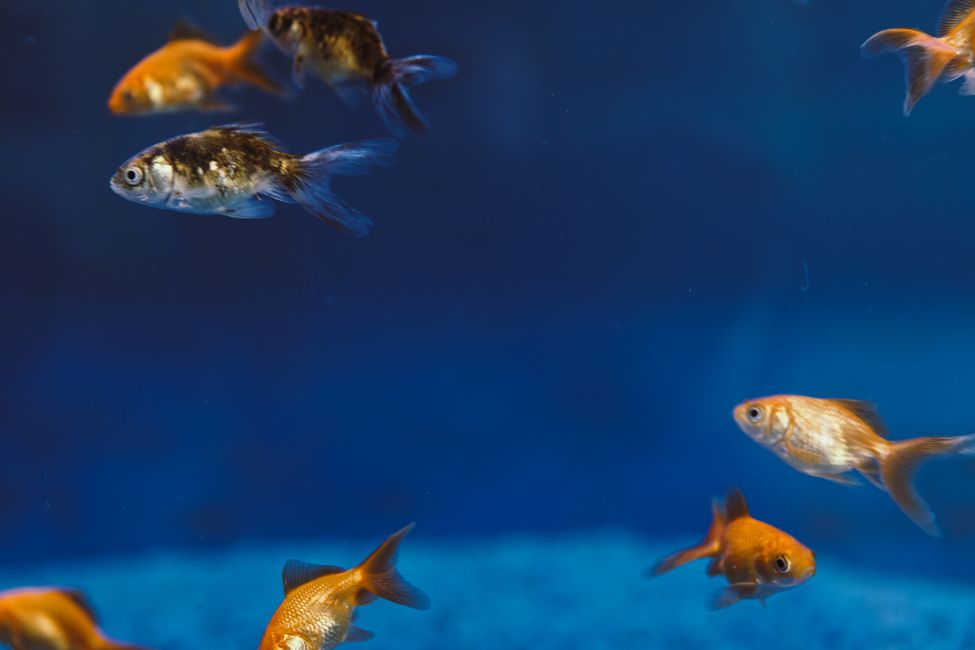
Researchers studying the brain chemistry of aggression have stumbled on something unexpected: the compound found in magic mushrooms appears to calm highly aggressive behaviour in fish, without turning them into passive versions of themselves.
The study, published recently, looked at mangrove rivulus fish, a species known for its territorial and combative nature. Scientists gave these small fish low doses of psilocybin, the psychedelic ingredient in certain mushrooms that has been generating interest in human mental health research. What they found was striking. The fish became noticeably less aggressive, launching fewer attacks on rivals. But they didn't stop interacting socially altogether. They still swam, explored, and behaved normally in other ways.
That distinction matters. It suggests psilocybin isn't just sedating the animals or flattening their behaviour across the board. Instead, it seems to target something more specific: the impulse to escalate conflict.
Why study aggression in fish?
It might seem odd to look at psychedelics through the lens of fish behaviour. But mangrove rivulus are useful subjects for this kind of work. They're aggressive enough to show clear patterns of territorial fighting, yet simple enough that researchers can observe changes in behaviour without the ethical and logistical complications of working with mammals.
Aggression is also a deeply conserved behaviour across species. Whether in fish, mice, or humans, the brain circuits that drive conflict and dominance share surprising similarities. Understanding how a compound affects aggression in one species can offer clues about how it might work in others.
*Photo: adiprayogo liemena · Pexels*
The researchers gave the fish low doses of psilocybin and then watched how they responded to rivals in controlled settings. Normally, these fish will attack intruders quickly and repeatedly. After receiving the compound, they still noticed the intruders, but the number of attacks dropped significantly. Their social radar stayed intact, but the urge to fight seemed to soften.
What it might mean for the brain
Psilocybin is best known for its effects on perception and mood in humans. It binds to serotonin receptors in the brain, particularly one called the 5-HT2A receptor, which plays a role in everything from mood regulation to sensory processing. Recent studies in people have explored its potential for treating depression, anxiety, and trauma, often in controlled therapeutic settings.
But aggression is a different frontier. In humans, aggression is rarely just about biology. It's tangled up with stress, trauma, social context, and learned patterns. Still, there are cases where people struggle with impulses they can't easily control, where the line between feeling threatened and lashing out becomes painfully thin. If psilocybin can selectively dampen the escalation of aggression without numbing other responses, that's worth understanding better.
The fish study doesn't prove anything about human behaviour. But it does add to a growing body of evidence that psychedelics might interact with the brain in more nuanced ways than simply altering mood or perception. They may influence how we respond to threat, how we regulate impulses, and how flexible our reactions can be.
*Photo: isaac mijangos · Pexels*
A long road from fish to people
It's important to be clear about what this research is and isn't. This was a study on fish, not a clinical trial. Psilocybin remains illegal in many places and is not a treatment anyone should pursue outside of carefully supervised research or therapeutic settings. The jump from observing calmer fish to treating human aggression is vast, and there are many steps in between.
But the findings do raise interesting questions. Could psychedelics one day play a role in helping people who struggle with anger or reactive aggression, perhaps alongside therapy? Could they offer insight into the brain pathways that make conflict feel unavoidable? It's too soon to say. What's clear is that scientists are beginning to see these compounds not just as tools for altering consciousness, but as potential windows into how the brain governs behaviour in subtle, selective ways.
For now, the mangrove rivulus fish have given researchers a small, unexpected clue. Aggression, it turns out, might not be as hardwired as it seems. And that possibility, however early and uncertain, is worth paying attention to.
Why it matters
This research reminds us that the brain is more flexible than we often assume. Behaviour that feels automatic, whether it's lashing out in anger or withdrawing in fear, may be shaped by chemistry we're only beginning to understand. For podcasters and creators exploring mental health, studies like this open up conversations about impulse, reactivity, and the slow work of changing how we respond to the world. The science is early, but the questions it raises are human ones.
Based on reporting from sciencedaily.com.

Comments
Loading comments…