Scientists find clues to brain aging in an unexpected place: the gut
New research suggests the microbes living in our digestive system may hold early warning signs of how our brains age over time.
The conversation around brain health usually focuses on what we think, what we eat, or how much we move. But researchers at UCLA have turned their attention somewhere less obvious: the trillions of bacteria living in our digestive tract. Their recent study reveals that certain gut microbes and the chemical compounds they produce may be linked to how quickly our brains age, sometimes decades before any noticeable symptoms appear.
The findings add weight to a growing body of research exploring the gut-brain connection, a relationship that scientists are only beginning to understand in detail. What makes this study particularly striking is its suggestion that biological markers of brain aging might be detectable long before someone experiences memory lapses or mood changes.
What the researchers discovered
The UCLA team examined the gut microbiome of study participants and compared those findings with measurements of brain aging. They found that people whose brains appeared older than their chronological age tended to have distinct patterns in their gut bacteria. These individuals also showed differences in certain chemical byproducts created by those microbes.
Importantly, the study also linked these faster-aging brains to real-world effects. People with older-looking brains performed worse on tests of memory and concentration, and they reported more difficulties with mood. The implication is that gut bacteria may not just be passive bystanders but could play an active role in how our brains function and age.
The research does not prove that gut bacteria cause faster brain aging. What it does show is an association, a pattern that warrants further investigation. Still, the correlation is strong enough that researchers believe the gut microbiome could one day become a target for interventions aimed at keeping the brain healthier for longer.
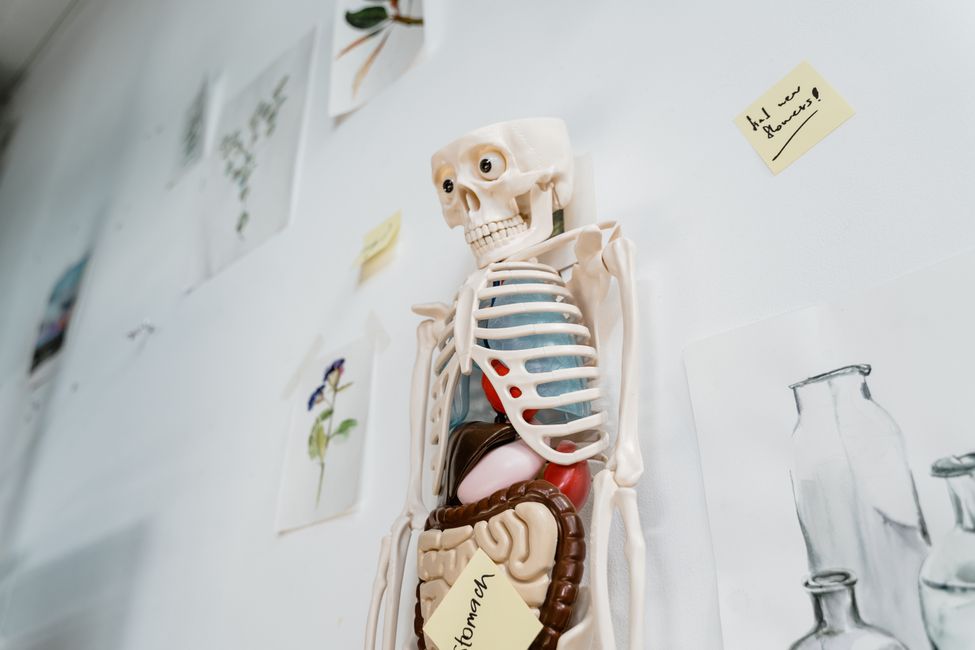
*Photo: MART PRODUCTION · Pexels*
The gut-brain axis comes into focus
The idea that our gut and brain communicate is not new, but the mechanisms are complex and still being mapped. The gut produces neurotransmitters, influences inflammation, and sends signals through the vagus nerve that connects directly to the brain. The microbes living there help regulate many of these processes.
What this study adds is a potential timeline. If biological signs of brain aging can appear decades before symptoms, then the window for prevention might be much longer than previously thought. That shifts the conversation from treatment to early intervention, from managing decline to possibly slowing it before it starts.
For people thinking about their long-term health, this research offers a new lens. Brain health is not just about puzzles and aerobic exercise. It may also involve the less glamorous work of tending to the microbes in our digestive system through diet, stress management, and lifestyle choices that support a balanced gut environment.
What this means for the future
The researchers are careful to note that these findings are early. The gut microbiome is incredibly complex, with thousands of species of bacteria interacting in ways scientists are still working to untangle. Identifying which bacteria are helpful, which might be harmful, and what chemical pathways matter most will take time.
But the potential is clear. If certain gut bacteria are linked to faster brain aging, then modifying the gut microbiome through diet, probiotics, or other interventions could become a viable strategy for protecting cognitive function. It is not a far-fetched idea. Studies have already shown that changes in gut bacteria can influence mood, anxiety, and even decision-making.

*Photo: Beatrice B · Pexels*
The UCLA findings also suggest that monitoring gut health could one day serve as an early warning system. A simple test might reveal whether someone's brain is aging faster than expected, giving them years to make changes before memory or mood problems become noticeable.
For now, the takeaway is not about rushing to buy a specific supplement or probiotic. The science is not there yet. What the research does offer is a reminder that the body is deeply interconnected. What happens in the gut does not stay in the gut. It ripples outward, influencing systems we once thought were separate.
Why this matters
For anyone interested in mental wellness, this study is a reminder that brain health is not isolated. It is tied to the body in surprising ways, and small, consistent choices around diet, stress, and gut health may have effects that accumulate over decades.
For podcasters and creators in the wellness space, this research opens up new conversations. The gut-brain connection is rich territory, grounded in science but also deeply human. It is about how we live, what we eat, and how we care for ourselves over the long haul. And it offers hope that even invisible processes, like the aging of our brains, might one day be influenced by choices we can make today.
Based on reporting from sciencedaily.com.


Comments
Loading comments…