Scientists discover hidden level of Alzheimer's written in how DNA folds
New research reveals that Alzheimer's disrupts the 3D structure of DNA itself, opening unexpected doors for understanding the disease.

For decades, researchers have searched for answers to Alzheimer's disease by studying plaques, tangles, and dying neurons. Now, scientists have found something they weren't looking for: a hidden layer of the disease written not in the genes themselves, but in how those genes are physically organised inside brain cells.
According to new findings, Alzheimer's disrupts the three-dimensional structure of DNA in several types of brain cells. This matters because the way DNA folds and arranges itself in space determines which genes get turned on or off. When that structure breaks down, it changes the entire instruction manual that cells rely on to function properly.
The discovery shifts the lens on a disease that affects millions of people worldwide, suggesting that the problem may reach deeper into the fundamental architecture of our cells than previously understood.
How DNA structure works in healthy cells
Most people imagine DNA as a simple twisted ladder, the famous double helix. But inside a living cell, DNA doesn't just sit still. It loops, folds, and organises itself into complex three-dimensional shapes, much like a carefully packed suitcase.
This 3D arrangement isn't random. Genes that need to work together are often brought physically close to each other, even if they sit far apart on the strand. Regulatory regions that act like light switches for genes are positioned next to the genes they control. When this spatial organisation works well, cells function smoothly.
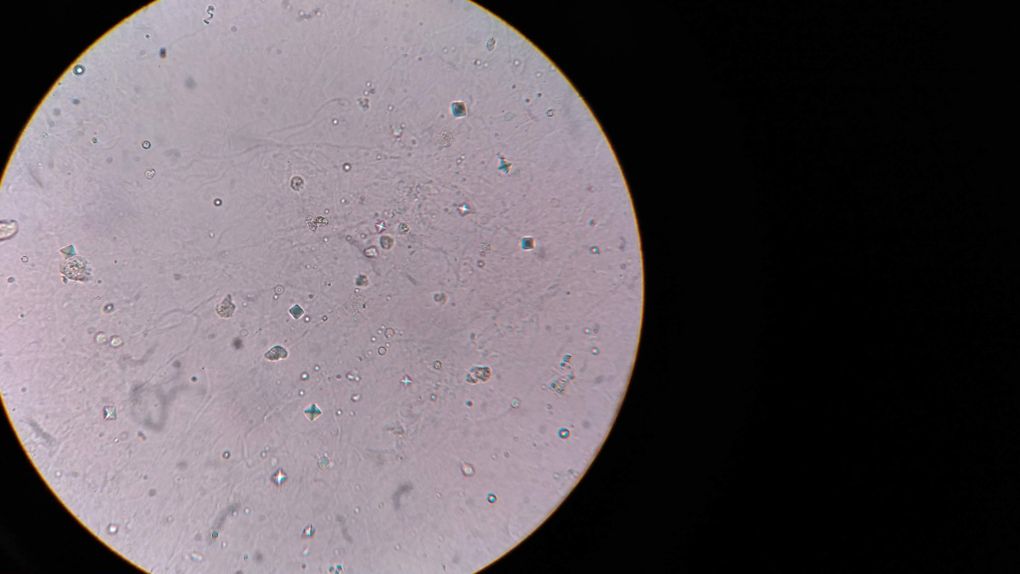
*Photo: Mahendra Jagadeesh · Pexels*
In Alzheimer's disease, this organisation appears to fall apart. The researchers found that the orderly 3D structure of DNA becomes disrupted across multiple types of brain cells affected by the condition. As the structure changes, genes that should be switched on may stay silent, and genes that should remain quiet may spring to life at the wrong time.
A new way to understand an old disease
What makes this finding particularly significant is that it represents a layer of Alzheimer's biology that has been largely unexplored until now. Most research has focused on the accumulation of abnormal proteins, particularly beta-amyloid plaques and tau tangles, which are hallmarks of the disease. Others have examined inflammation, blood flow problems, or the death of specific types of neurons.
This new research doesn't replace those findings. Instead, it adds another dimension. It suggests that even before proteins clump together or cells begin to die, something fundamental may be going wrong with how the genome is organised and read.
The researchers examined several different types of brain cells, which is important because Alzheimer's affects more than just neurons. Supporting cells called glia also play crucial roles in brain health, and they too showed disrupted DNA organisation in the study.

*Photo: RDNE Stock project · Pexels*
The implications reach into how we might eventually approach treatment. If the 3D structure of DNA is disrupted early in the disease process, it could become a target for new therapies. Scientists might look for ways to stabilise or restore that structure, potentially slowing down the cascade of problems that follow.
What this means for the bigger picture
For families living with Alzheimer's, findings like these can feel both hopeful and distant. The research is still at an early stage, focused on understanding what goes wrong rather than fixing it. There are no new treatments coming immediately from this work.
But each discovery like this one expands the map of the disease. It gives researchers new places to look, new questions to ask, and new biological pathways that might eventually lead to interventions. Understanding that DNA organisation is disrupted opens doors that didn't exist before.
The finding also speaks to something larger about how we understand complex diseases. Alzheimer's has proven stubbornly difficult to treat, in part because it likely isn't one simple problem but a web of interconnected breakdowns. Adding DNA structure to that web helps build a more complete picture.
For podcasters and communicators in the mental health and wellness space, this research offers a reminder that the brain remains one of the most complex and mysterious parts of the human body. Stories about Alzheimer's aren't just about memory loss or aging. They're about families, identity, and the search for answers to questions that touch millions of lives.
Scientific progress often happens in small steps rather than dramatic breakthroughs. This discovery won't make headlines everywhere, but it represents the kind of careful, detailed work that expands human knowledge bit by bit. And somewhere in those accumulated bits of knowledge, future treatments may eventually take shape.
Based on reporting from sciencedaily.com.


Comments
Loading comments…