
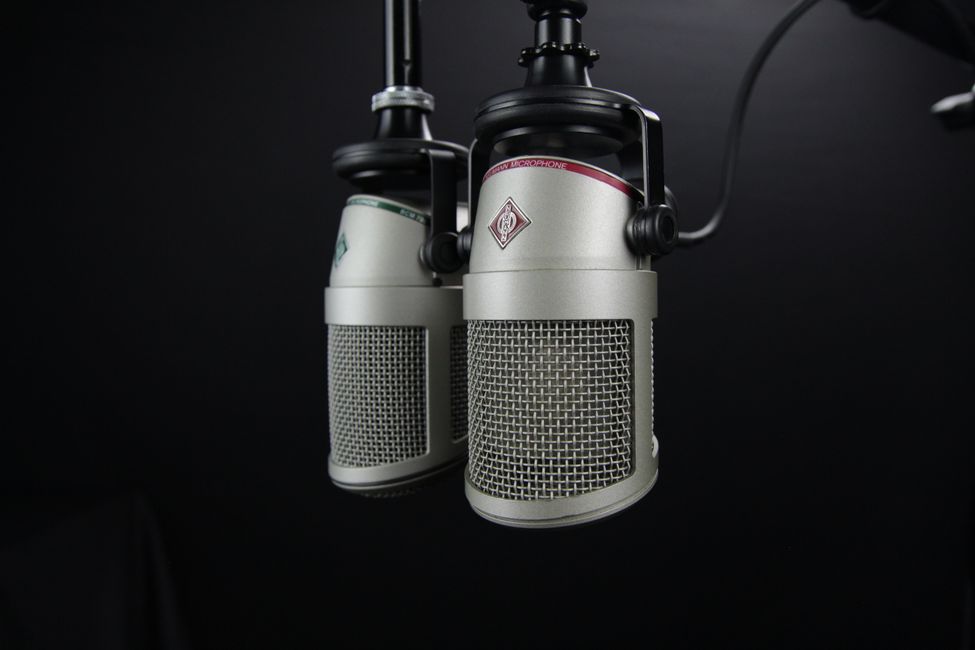
Riverside, the remote recording platform used by thousands of podcasters, has introduced what it's calling a significant update to its service. The company has added a collection of new features designed to improve the recording experience for creators working from different locations.
The announcement marks a notable refresh for a tool that's become a mainstay in the podcasting world, particularly for hosts who need to record with guests remotely while maintaining high audio and video quality. While the specific details of each new feature weren't fully outlined in the announcement, the update represents Riverside's ongoing effort to stay competitive in a crowded field of recording tools.
Why recording tools matter for podcast quality
For anyone making a podcast, especially one with guests or co-hosts in different places, the recording platform is foundational. It's the first step in the production chain, and quality at this stage determines what you have to work with later. A good remote recording tool captures each person's audio and video locally on their own device, rather than relying on compressed internet streams, which means clearer sound and fewer glitches.
Riverside has built its reputation on this local recording approach, offering what it calls "studio quality" even when participants are scattered across different cities or countries. That's particularly valuable for interview shows, panel discussions, or any podcast where spontaneous conversation matters. When the technology works smoothly in the background, hosts can focus on the conversation itself rather than worrying about technical hiccups.

*Photo: cottonbro studio · Pexels*
The platform has been competing with other tools like Zencastr, SquadCast, and newer entrants to the market. Each service offers its own mix of features, pricing tiers, and interface design. For creators, choosing the right one often comes down to specific needs, whether that's video capability, ease of use for guests, editing features, or budget.
What updates mean for working podcasters
While we don't have the full technical specifications of every new feature in this Riverside refresh, the announcement signals the company's awareness that podcasters' needs continue to evolve. Many creators are looking for tools that do more than just record, they want platforms that can handle multiple steps of production in one place, reducing the need to export files and move between different software.
The podcasting landscape has matured significantly over the past few years. What once required expensive studio setups and technical expertise can now be done from a home office with reliable tools. This democratisation has opened podcasting to more voices, more perspectives, and more diverse stories. When platforms like Riverside invest in new features, they're responding to this growing community of creators who need professional results without professional budgets.
For podcast networks and production companies, consistency across episodes matters enormously. A reliable recording platform means fewer surprises in post-production, more predictable workflows, and the ability to scale up without sacrificing quality. For independent creators, it means spending less time troubleshooting and more time on the creative work that drew them to podcasting in the first place.
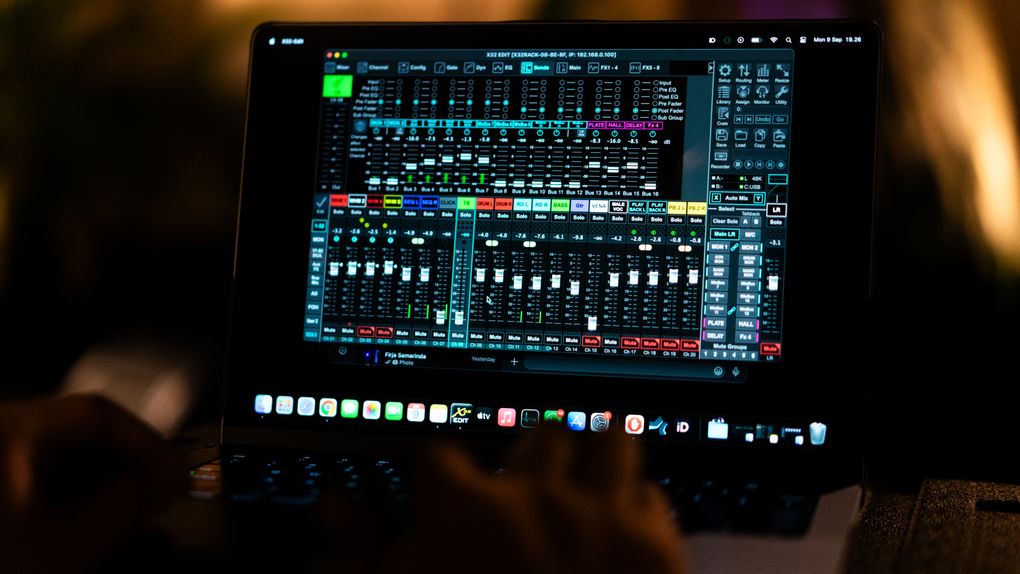
*Photo: gabriel bodhi · Pexels*
The broader context of podcast production tools
This update comes at a time when the podcast production space is seeing steady innovation. Companies are adding artificial intelligence features for transcription and editing, building in social media clip creation, and trying to streamline everything from recording to distribution. The goal is to reduce friction at every stage, making it easier for someone with a good idea and a story to tell to actually get their podcast out into the world.
For Riverside, staying relevant means not just maintaining what works but anticipating what podcasters will need next. Whether that's better collaboration features for teams, more sophisticated audio processing, or simpler interfaces for guests who aren't tech-savvy, the competition in this space pushes everyone to improve.
The announcement doesn't specify pricing changes or whether these features are available across all subscription tiers, details that will matter to creators evaluating their options. But the commitment to development is itself a signal that Riverside sees a long-term future in serving the podcasting community.
For those of us at Healthy Mind by Avik, tools like these are part of what makes it possible to have meaningful conversations across distances. When the technology fades into the background, there's more space for genuine connection, for stories that need to be heard, for the kind of listening that creates understanding. That's worth paying attention to.
Based on reporting from podnews.net.



Comments
Loading comments…