Researchers identify potential weakness in glioblastoma, one of the most aggressive brain cancers
New laboratory findings suggest a way to make deadly brain tumour cells more vulnerable to treatment by targeting proteins they use to resist therapy.
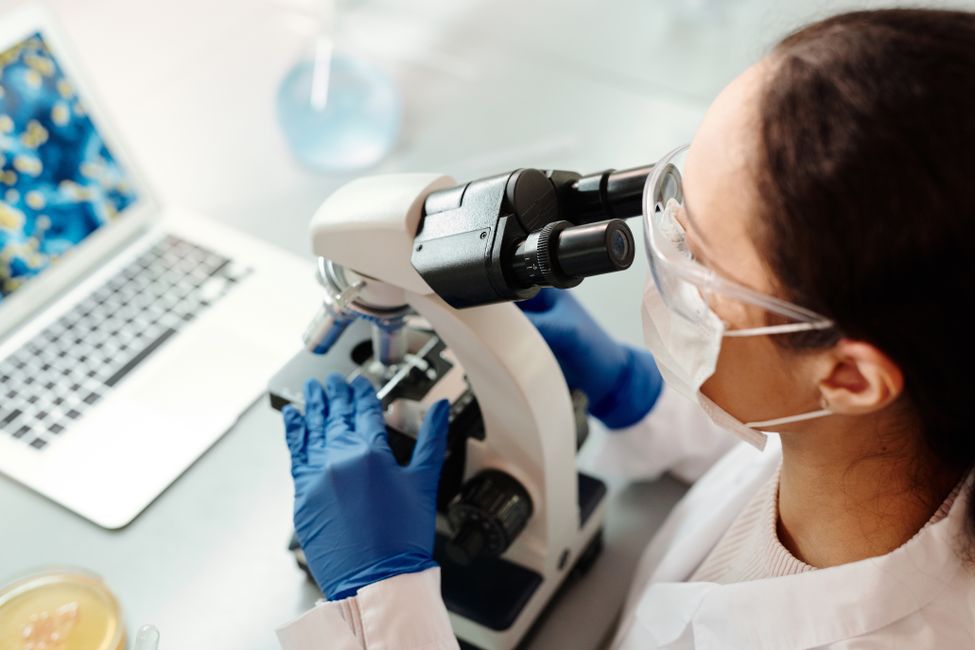
Scientists studying glioblastoma, an aggressive form of brain cancer with limited treatment options, have identified what may be a promising new approach to weakening the disease's resistance to therapy. The research, conducted in preclinical laboratory models, points to a specific protein system that these tumours appear to manipulate in order to survive.
The findings centre on a protein called SET and its relationship to an enzyme known as PP2A. According to the research team, glioblastoma cells seem to suppress PP2A activity as part of their survival strategy. When researchers blocked the SET protein in laboratory conditions, tumours failed to form. Additionally, targeting related proteins in the same pathway made cancer cells more susceptible to radiation treatment, which is a standard component of glioblastoma care.
Why this type of cancer is so difficult to treat
Glioblastoma represents one of the most challenging diagnoses in oncology. These tumours grow in the brain tissue itself, making them difficult to remove completely through surgery. They also tend to resist the effects of chemotherapy and radiation, the other main tools doctors have available. Survival rates remain low, and treatment options have not changed dramatically in recent decades.
Part of what makes glioblastoma so formidable is its ability to evade the body's natural defences and resist treatments that work against other cancers. The tumour cells develop multiple strategies to protect themselves, which is why finding specific vulnerabilities matters so much. If researchers can identify the mechanisms these cells use to survive, they may be able to design treatments that work around or disable those defences.

*Photo: https://kaboompics.com/ · Pexels*
What the new research suggests
The current study focused on understanding how glioblastoma cells manage to shut down PP2A, an enzyme that normally helps regulate cell behaviour. When PP2A functions properly, it can act as a brake on uncontrolled cell growth. By suppressing this enzyme, cancer cells effectively remove one of the body's natural safeguards.
The protein SET appears to play a key role in this suppression. By blocking SET in laboratory models, researchers were able to restore PP2A activity. With this enzyme functioning again, the cancer cells lost some of their advantage. The result was that tumours did not form in the preclinical testing environment.
The research team also looked at related proteins in the same biological pathway. When they targeted these proteins alongside standard radiation therapy, the cancer cells became more vulnerable to treatment. This suggests the approach might work not just on its own, but as a way to enhance existing therapies.
The long road from laboratory to clinic
While these findings offer genuine hope, it is important to understand where this research sits in the development process. The work was conducted in preclinical models, meaning it has not yet been tested in human patients. Laboratory results do not always translate to safe and effective treatments in people. Many promising compounds fail when they move into human trials, either because they prove toxic, ineffective, or both.
The researchers acknowledge that human testing will be necessary to determine whether this approach can work safely in patients. That process takes years and involves multiple phases of clinical trials. First, researchers must establish that the treatment is safe. Then they need to determine the right dose. Only after that can they run larger studies to see if it actually helps people live longer or better.

*Photo: Vitaly Gariev · Pexels*
Even with these caveats, the research adds an important piece to our understanding of how glioblastoma operates. Every time scientists identify a specific mechanism these tumours use to survive, it creates a potential target for future treatment development. The more we understand about the disease, the more opportunities emerge to intervene.
Why this matters beyond the science
For anyone who has watched someone go through a glioblastoma diagnosis, news of research progress carries emotional weight. These are not abstract findings. They represent years of work by teams trying to change outcomes for people facing one of the most frightening diagnoses in medicine.
The research also matters for how we think about cancer treatment more broadly. The idea of restoring the body's natural regulatory systems, rather than simply trying to poison cancer cells, represents a shift in approach. If scientists can help the body's own mechanisms function properly again, treatments might work better and cause fewer side effects.
For those of us who communicate about health and wellness through podcasting or other media, studies like this remind us why careful, accurate science reporting matters. People living with serious illness, and those who love them, deserve to know about genuine progress without false hope or hype. They need the truth about where research stands, what it might mean, and how long the path ahead really is.
Based on reporting from sciencedaily.com.


Comments
Loading comments…